

When decision-makers evaluate large equipment purchases, one question overshadows all others: “If an automated cabinet assembler costs hundreds of thousands, how long before it pays for itself—if it ever does?”
In an industry where margins are tight and labor volatility is rising, this isn’t just a technical question. It’s a strategic one.
Today, automation in cabinet production is often misjudged as a cost item. But the data tells a different story: a modern Cabinet Assembly Robot ROI model positions automation as a profit engine, not an expense. Once the numbers are put on the table, the return becomes surprisingly clear—and surprisingly fast.
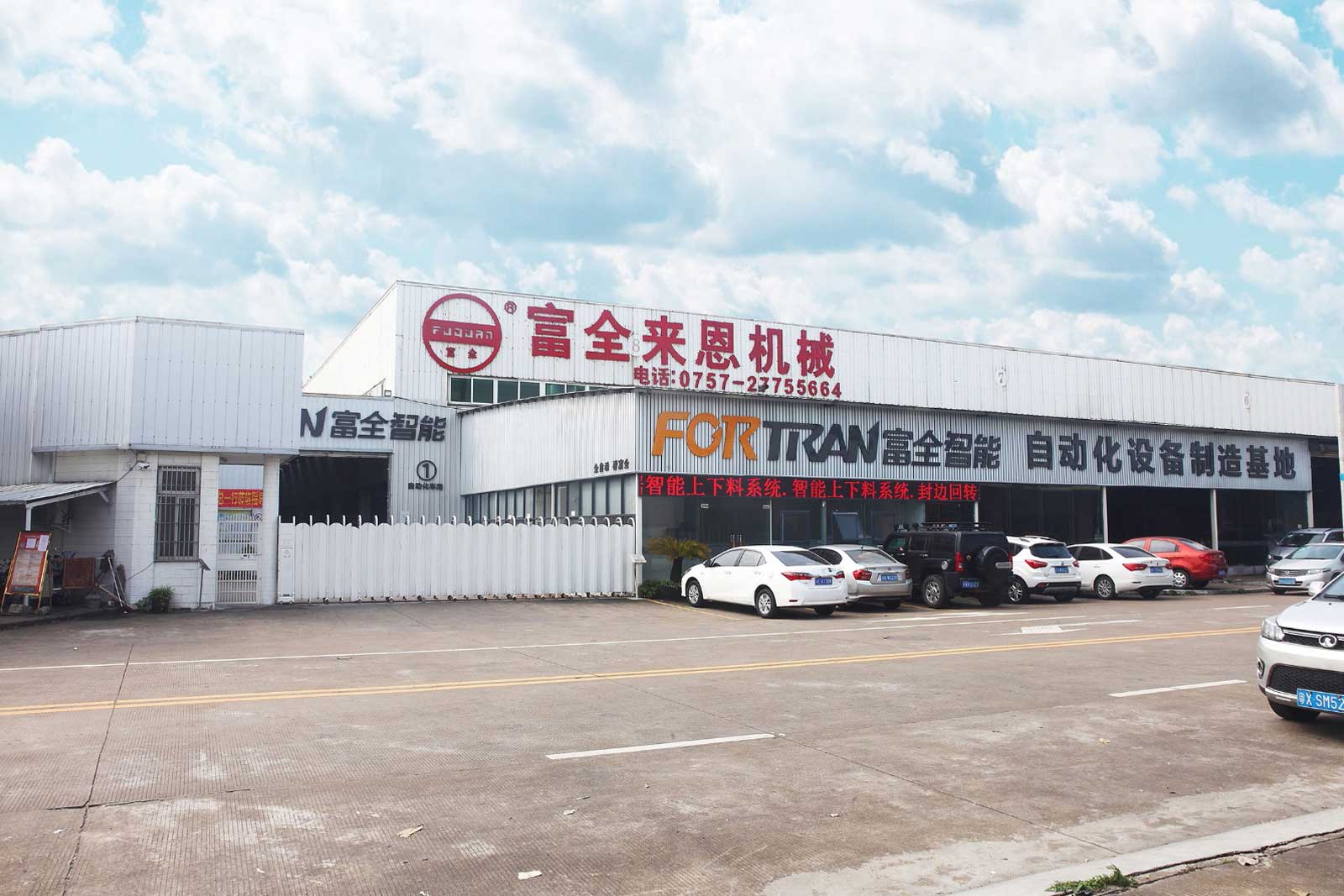
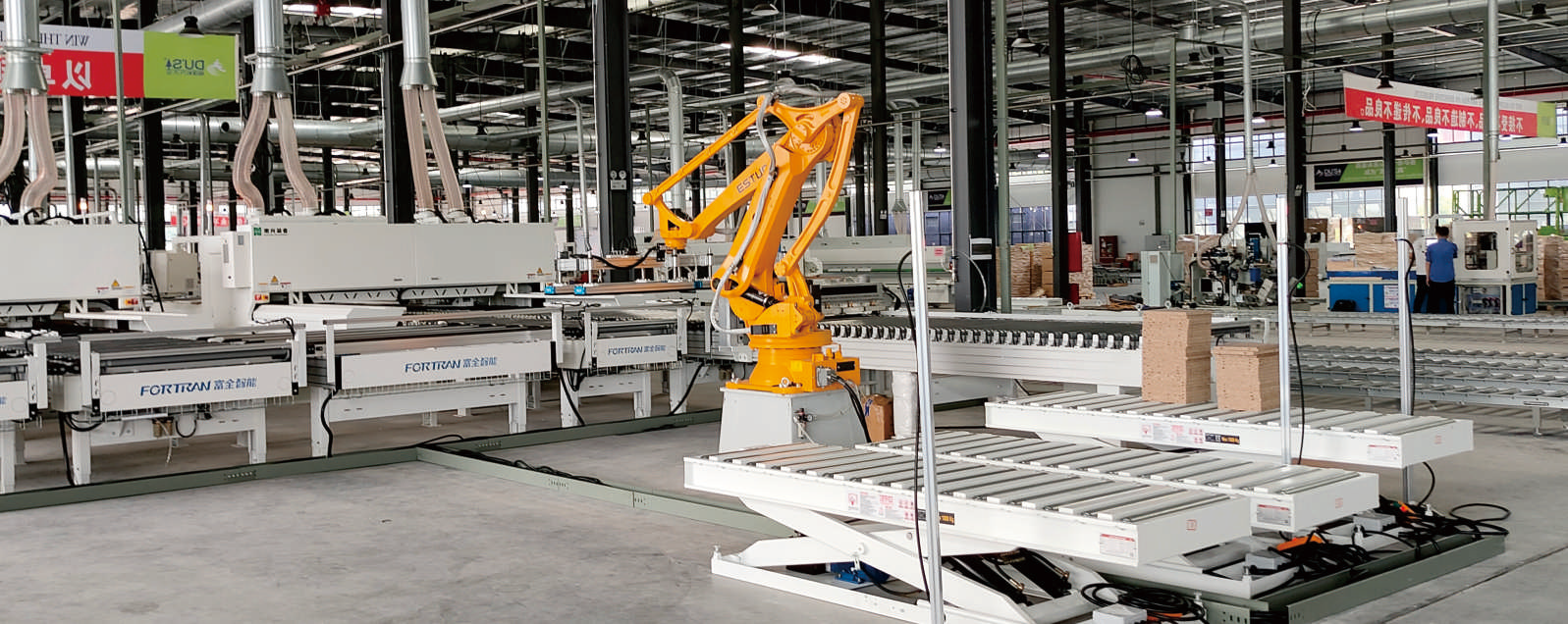
FORTRAN, a leader in automation solutions integrating mechanical design and software intelligence, has helped factories across the furniture industry quantify ROI with real, measurable improvements. Their Intelligent Cabinet Manufacturing System is designed not only to automate assembly but to reshape the financial structure of production itself.
Building a Realistic ROI Model: Four Pillars of Measurable Gains
1. Direct Labor Cost Savings
A single automated system can replace several skilled assemblers. If three to six workers are required for manual assembly, the savings quickly add up: annual wages, social insurance, and overtime expenses disappear the moment a Labor Saving Assembly Equipment system takes over.
This is the most visible part of the Cabinet Assembly Robot ROI, and usually the most underestimated.
2. Efficiency Gains and Increased Throughput
Speed is profit. By increasing daily output, factories can accept more orders without expanding floor space or adding additional shifts.
A faster, more consistent production rhythm directly amplifies the ROI on Furniture Automation, often contributing as much as labor savings—sometimes more.
3. Quality-Related Cost Reduction
Every rework, misaligned connector, or scrapped panel has a cost. Manual assembly often suffers from variability, but automated torque control, precise CNC positioning, and stable workflows sharply reduce error rates.
This reduction in waste is a key strength of the Intelligent Cabinet Manufacturing System, lowering quality losses and raising first-pass yield to near-perfect levels.
4. Hidden Management and Operational Benefits
Automation removes several subtle but costly burdens:
Dependence on rare skilled workers
High turnover and onboarding cycles
Oversized factory floors
Scheduling and production-balancing issues
These hidden gains frequently push the Cabinet Assembly Robot ROI far beyond initial expectations.
Case Study: A Factory That Recovered Its Investment in 14 Months
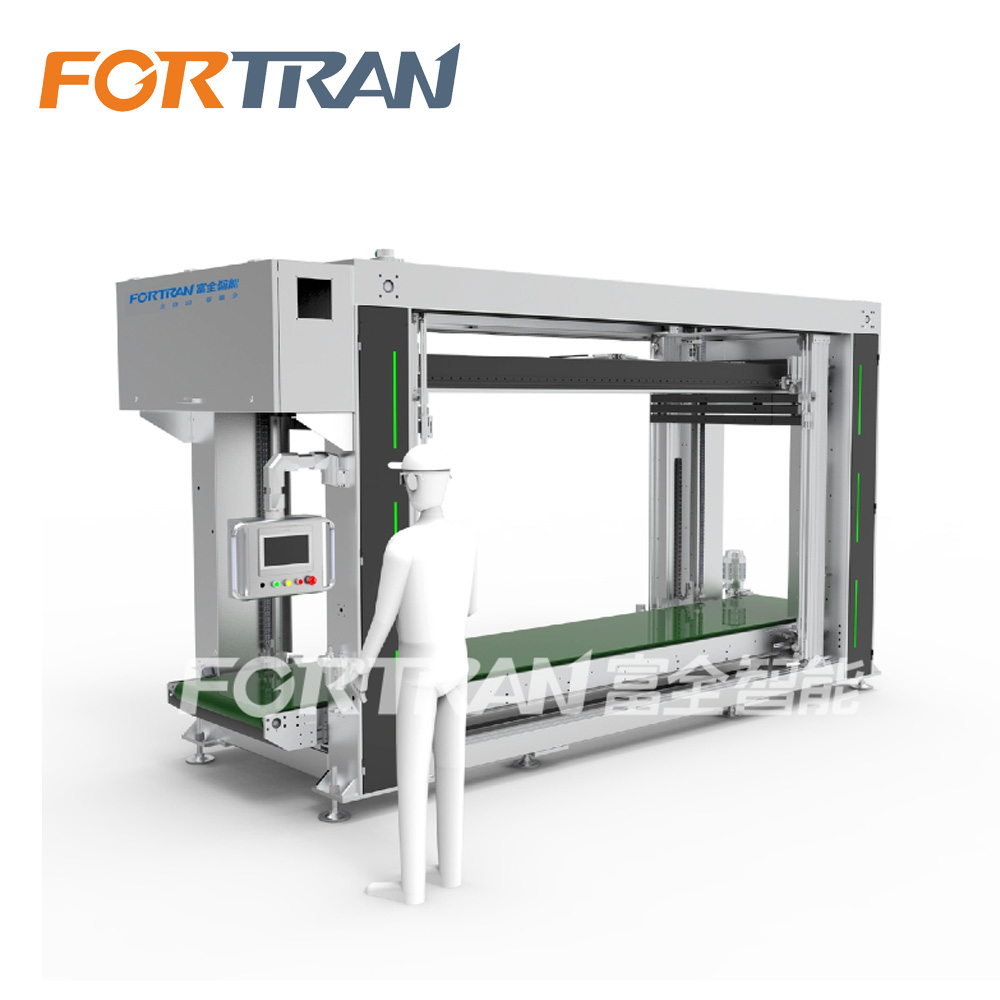
A mid-sized cabinet producer partnered with FORTRAN to integrate a full Intelligent Cabinet Manufacturing System. Before automation:
Labor: 8 assembly workers
Output: 150 cabinet boxes per shift
Defect rate: 6%
Operational complexity: high
After installing the system:
Labor: reduced to 2 operators
Output: increased to 310 cabinet boxes per shift
Defect rate: decreased to 0.8%
Production rhythm: fully stabilized
ROI Result: 14 months
Between labor savings, increased throughput, and reduced rework losses, this factory achieved a highly profitable ROI on Furniture Automation in little over a year. Their management team later commented that the investment felt “conservative” given the scale of returns.
Industry ROI Comparison Table
| Financial Metric | Manual Assembly | Automated System | ROI Effect |
|---|---|---|---|
| Annual Labor Cost | 6–10 workers | 1–2 operators | Saves 60–80% labor |
| Daily Output | 120–160 units | 260–320 units | +70–120% capacity |
| First-Pass Yield | 92–95% | 98.5–99.5% | Lower rework costs |
| Floor Space Usage | Large | Reduced footprint | Higher space efficiency |
| Production Stability | Medium | Very high | Better order planning |
| Cost of Automatic Cabinet Machine | — | Investment item | Payback in 12–18 months |
These numbers reflect real-world averages collected from FORTRAN clients using Labor Saving Assembly Equipment and complete Intelligent Cabinet Manufacturing System integration.
Beyond ROI: The Strategic Value of Automation
ROI is only the start. Forward-looking factories gain longer-term advantages that extend far beyond financial returns:
Standardized production, essential for brand reputation
Consistent delivery cycles, enabling high-value customers
Resilience against labor shortages, a growing global issue
Improved customer confidence in factory reliability
This combination turns the Cost of Automatic Cabinet Machine from an expense into a strategic shield for the next decade of manufacturing competition.
FAQ: What Investors and CFOs Ask Most
1. Is automation worth it for medium-sized factories?
Yes. In many cases, mid-sized firms see the fastest Cabinet Assembly Robot ROI due to high labor-to-output ratios.
2. What if my product models change frequently?
The Intelligent Cabinet Manufacturing System supports recipe switching and flexible order handling with minimal downtime.
3. How accurate is the torque and alignment system?
Force-controlled tightening and CNC positioning offer repeatability far beyond manual assembly.
4. Will I still need skilled workers?
Yes—but fewer. Operators shift to higher-value roles such as supervision and quality control.
5. How do I calculate my exact ROI?
FORTRAN offers a personalized calculation tool that models labor, output, rework reduction, and the Cost of Automatic Cabinet Machine for your exact factory setup.
Take Action: Get Your Personalized ROI Analysis
FORTRAN now provides:
✔ Customized ROI Calculator (Excel)
Enter your factory’s labor count, output, and defect data to generate your own ROI on Furniture Automation curve.
✔ One-on-One Investment Return Consultation
Analyze your numbers with specialists who have implemented hundreds of Labor Saving Assembly Equipment projects.
Conclusion
Automation is not simply a technological upgrade—it is a financial strategy. Once the full economic impact is measured, the numbers consistently show that an automated assembly solution delivers rapid payback and long-term profit.
Whether you call it Cabinet Assembly Robot ROI, Cost of Automatic Cabinet Machine justification, or the benefits of an Intelligent Cabinet Manufacturing System, the conclusion is the same:
The smartest investment in cabinet production today is automation, and the clock to ROI starts the moment the machine turns on.
