

In the bustling workshop of a modern manufacturing plant, the rhythmic operation of machinery composes the symphony of industrial production. Amidst this symphony, the Automatic Return Conveyor System, like the circulatory system that sustains life, silently connects every production link, ensuring the unimpeded flow of materials and semi-finished products. For manufacturing decision-makers, this seemingly simple equipment is no longer a trivial accessory but a core driving force to break through efficiency bottlenecks and gain competitive advantages. As the global manufacturing industry strides towards intelligence and automation, the value of the Conveyor Belt Return System is being recognized by more and more enterprises.
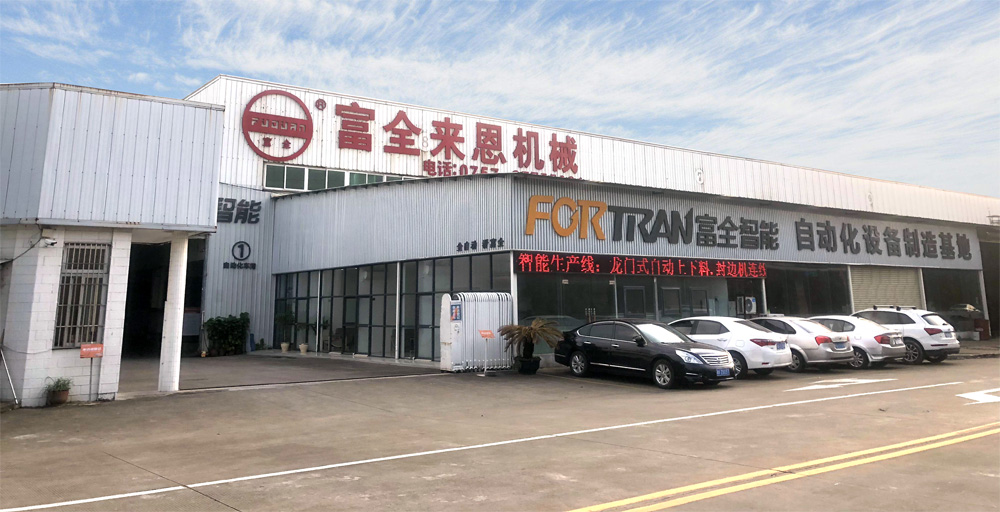
FORTRAN, a technology company that excels in balancing mechanical structure design and software development, has long been at the forefront of China's automation field. With outstanding technical strength and large-scale production capacity, the company focuses on the R&D and production of automation equipment such as automatic loading and unloading equipment, automatic conveyor lines, elevators, paper cutters, case sealers, and box folding machines. Among these, the Production Line Automation Conveyor series, represented by the automatic return conveyor, has become a benchmark in the industry due to its stable performance and customized solutions. "The essence of modern factory automation lies in the circulation efficiency of the production process," said a senior technical expert at FORTRAN. "The Material Handling Conveyor System we developed is not just a simple transportation tool; it is a key component of the intelligent circulation system that integrates mechanics, electronics, and software, helping customers maximize benefits in production."
Against the backdrop of the global manufacturing industry's transformation and upgrading, the market demand for intelligent conveying equipment is showing a blowout growth. According to the "Global and China Conveyor Industry Insight Research Report" released by GEP Research in 2025, the global conveyor market scale exceeded 30 billion US dollars in 2024, with China accounting for about 35% of the share, making it the world's largest single market. Among them, the Factory Automation Return Conveyor, as a key segment, has maintained an annual growth rate of more than 18% in recent years. This growth trend is closely related to the pain points of traditional production lines and the urgent need for enterprises to improve efficiency and reduce costs. In this context, exploring how automatic return conveyors reshape production processes has become an important topic in the manufacturing industry.
1. The "Breakpoint" Dilemma of Traditional Production Lines
Before the widespread application of the Automatic Return Conveyor System, traditional production lines were often plagued by "breakpoint" problems, which seriously restricted production efficiency. These breakpoints, like blocked blood vessels in the human body, make the circulation of materials unsmooth and the production rhythm intermittent.
One of the most prominent dilemmas is the low efficiency of manual material recycling. In many manufacturing scenarios, after the completion of processing procedures, empty pallets, fixtures, and semi-finished product frames need to be returned to the starting point for reuse. In traditional production lines, this process mostly relies on manual handling or simple manual-driven conveying equipment. Taking the auto parts manufacturing industry as an example, a gearbox housing manufacturer used to rely on 4 manual workers to be responsible for the return of fixtures. The daily handling frequency exceeded 300 times, and the labor intensity was extremely high. At the same time, due to the inconsistency of manual operation speed, the return of fixtures could not keep up with the processing rhythm of the production line, resulting in the idle of processing equipment and the reduction of production capacity. This kind of manual intervention not only increases labor costs but also brings the risk of operation errors. Collision and scratch accidents during handling often lead to the damage of fixtures and semi-finished products, further increasing production costs.
Another major dilemma is the disconnection between production processes. Traditional conveying equipment usually adopts a one-way transportation mode, which can only realize the one-way flow of materials from the previous process to the next process, but cannot complete the automatic return of auxiliary materials such as empty containers. This makes it necessary to set up additional storage areas and transportation routes for the return of materials between different processes, which not only occupies a lot of workshop space but also increases the complexity of the production process. In the paper pulp egg tray production line, the traditional manual collection and return of drying trays often leads to the accumulation of empty trays at the exit of the drying line, while the entrance of the forming process is in short supply of trays, resulting in unbalanced production and low overall efficiency.
In addition, the lack of flexibility in traditional conveying equipment is also an important factor restricting the development of enterprises. With the diversification of market demand, more and more enterprises have begun to adopt small-batch and multi-variety production modes. However, traditional conveying equipment is usually designed for fixed products and processes, and it is difficult to quickly adjust the conveying speed, width, and direction according to changes in production needs. This makes enterprises unable to quickly respond to market changes and reduces their market competitiveness. The limitations of these traditional production lines have made the demand for efficient and flexible conveying solutions increasingly urgent, and the Automatic Return Conveyor System has emerged as the times require.
2. The System Composition of Automatic Return Conveyor
The Automatic Return Conveyor System, which is hailed as the "industrial circulatory system", is a complex integrated system composed of multiple components. Each component works in coordination to ensure the efficient and stable operation of the entire conveying cycle. Unlike the simple one-way conveying equipment, the automatic return conveyor realizes the closed-loop circulation of materials through the organic combination of mechanical structure, control system, and sensing technology, which fundamentally solves the problem of material backflow in traditional production lines.
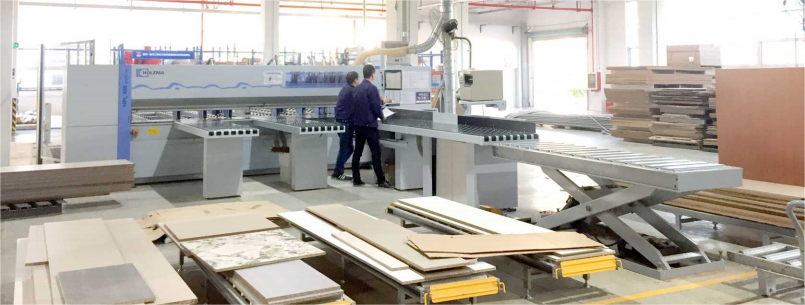
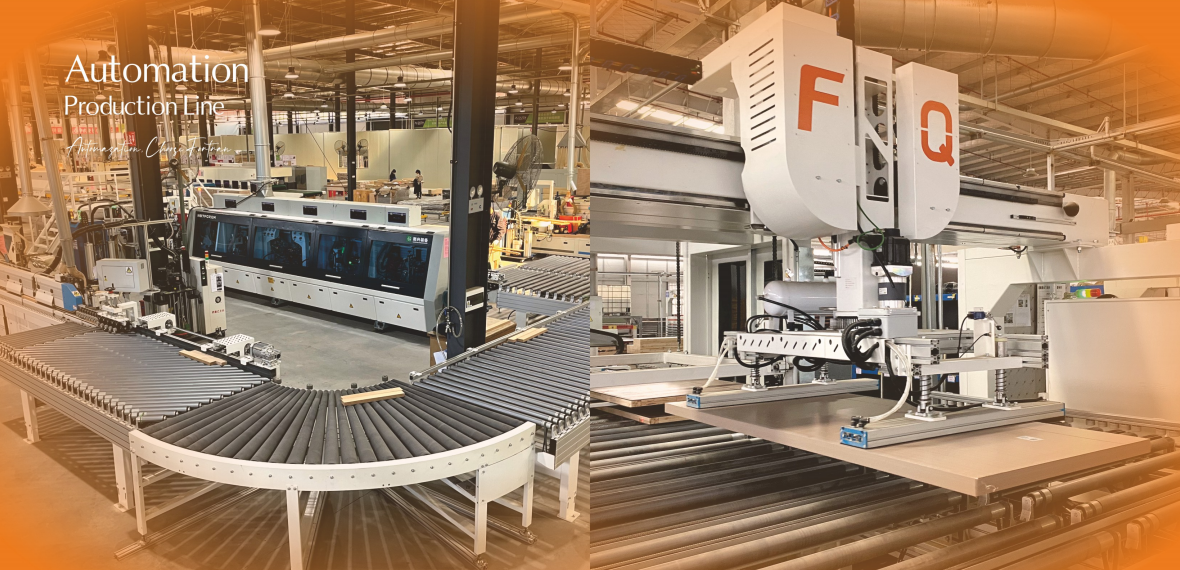
The core mechanical components of the Automatic Return Conveyor System include the main conveying line, the return conveying line, the turning mechanism, the lifting mechanism, and the positioning device. The main conveying line is responsible for transporting finished products or semi-finished products from the previous process to the next process, while the return conveying line undertakes the task of transporting empty pallets, fixtures, and other auxiliary materials back to the starting point. The turning mechanism, which usually adopts a 90-degree automatic steering device, can realize the direction change of materials during the conveying process without additional power sources, with simple structure and convenient maintenance. The lifting mechanism is used to connect conveying lines of different heights, ensuring the smooth transition of materials between upper and lower layers, which greatly saves workshop space. The positioning device adopts high-precision photoelectric sensors and limit switches to realize the accurate positioning of materials on the conveyor line, ensuring the precise connection between each process.
The control system is the "brain" of the Automatic Return Conveyor System. Most of the modern Automatic Return Conveyor Systems adopt PLC (Programmable Logic Controller) as the core control unit, which is equipped with a human-machine interface (HMI) to realize parameter setting, state monitoring, and fault alarm functions. The PLC receives real-time signals from various sensors, judges the position, state, and conveying progress of materials, and issues control commands to drive the operation of motors, cylinders, and other executive components. The advanced control system can also realize the linkage with the enterprise's MES (Manufacturing Execution System), realizing the remote monitoring and automatic adjustment of the conveying speed and start-stop state. For example, FORTRAN's independently developed control system can be connected with the customer's production management system through Restful, SQL, Rabbit MQ, and other protocols, realizing the intelligent scheduling of the conveying system according to the production plan.
The sensing system is the "nerve endings" of the Automatic Return Conveyor System, which provides accurate information input for the operation of the entire system. This system includes photoelectric sensors, pressure sensors, weight sensors, and even machine vision systems in some high-end models. Photoelectric sensors are used to detect whether materials are in place and to count the number of materials; pressure sensors monitor the pressure of the conveying belt to prevent overload operation; weight sensors can judge whether the tray is in an empty state to avoid misoperation; the machine vision system can analyze the arrangement of materials through image recognition, realizing intelligent correction and sorting. The mutual cooperation of these sensors ensures the stability, accuracy, and safety of the Automatic Return Conveyor System during operation.
In addition, the Conveyor Belt Return System also includes auxiliary components such as a driving system, a tensioning system, and a lubrication system. The driving system adopts high-efficiency motors and reducers, which provide stable power for the operation of the conveyor line. The tensioning system ensures that the conveyor belt is always in an appropriate tension state, avoiding slipping and deviation during operation. The lubrication system, which is usually equipped with an automatic oil injection device, regularly lubricates the transmission components such as chains and bearings, significantly extending the service life of the equipment and reducing maintenance frequency. It is precisely because of the organic combination of these components that the Automatic Return Conveyor System can realize the efficient circulation of materials and become the core part of the modern factory's intelligent production.
3. Detailed Explanation of Technical Parameters
The technical parameters of the Automatic Return Conveyor System are the key indicators to measure its performance and adaptability, directly determining whether it can meet the actual production needs of enterprises. Different application scenarios and material characteristics have different requirements for technical parameters. Therefore, understanding the technical parameters of the Automatic Return Conveyor System is crucial for enterprises to select suitable equipment. The following will take FORTRAN's mainstream automatic return conveyor products as examples, combined with industry common standards, to detailedly explain the core technical parameters.
Conveying speed is one of the most important technical parameters of the Automatic Return Conveyor System, which directly affects the production efficiency of the entire production line. The conveying speed of the general Automatic Return Conveyor System can be adjusted steplessly within the range of 0.5m/min-20m/min to adapt to different production rhythms. For example, in the food processing industry with high requirements for production efficiency, the conveying speed can be set to 15m/min-20m/min; while in the precision electronic component assembly industry that requires stable conveying, the conveying speed is usually controlled at 0.5m/min-5m/min. FORTRAN's high-speed Automatic Return Conveyor System adopts a high-performance frequency converter and a servo drive system, which can realize the precise adjustment of the conveying speed, with a speed error of less than ±0.1m/min, ensuring the stability and consistency of material conveying.
Conveying capacity, that is, the maximum weight or volume of materials that the conveyor system can carry per unit time, is another core parameter to measure the performance of the Automatic Return Conveyor System. Conveying capacity is usually divided into two indicators: maximum single-piece load and maximum conveying capacity per unit time. The maximum single-piece load of the general Automatic Return Conveyor System ranges from 5kg to 5000kg. For example, the light-load Automatic Return Conveyor System used in the electronic component industry has a maximum single-piece load of 5kg-50kg; while the heavy-load Automatic Return Conveyor System used in the auto parts and construction machinery industry has a maximum single-piece load of 1000kg-5000kg. The maximum conveying capacity per unit time is usually expressed in pieces/hour or tons/hour, which is closely related to the conveying speed and the size of the materials. The following table shows the technical parameters of several mainstream Automatic Return Conveyor Systems of FORTRAN, including conveying speed, conveying capacity, and other core indicators, for enterprises to refer to when selecting equipment.
Product Model | Maximum Conveying Speed | Maximum Single-Piece Load | Maximum Conveying Width | Maximum Conveying Length | Power | Applicable Scenarios |
FRT-L100 (Light Load) | 0.5m/min-10m/min (stepless adjustment) | 5kg-50kg | 300mm-800mm | Max 20m | 0.75kW-1.5kW | Electronic component assembly, light industrial product processing |
FRT-M300 (Medium Load) | 1m/min-15m/min (stepless adjustment) | 50kg-500kg | 500mm-1500mm | Max 50m | 1.5kW-3kW | Food processing, daily chemical product production |
FRT-H500 (Heavy Load) | 0.5m/min-12m/min (stepless adjustment) | 500kg-5000kg | 800mm-2500mm | Max 100m | 3kW-11kW | Auto parts manufacturing, construction machinery production |
FRT-S200 (High Speed) | 10m/min-20m/min (stepless adjustment) | 10kg-100kg | 400mm-1000mm | Max 30m | 2.2kW-5.5kW | E-commerce logistics sorting, packaging industry |
Conveying width and length are important parameters that determine the adaptability of the Automatic Return Conveyor System to different material sizes and workshop layouts. The conveying width is usually between 300mm-2500mm, which can be customized according to the maximum width of the materials. The conveying length can be extended according to the actual needs of the workshop, with a maximum length of more than 100m. For example, in the large-scale auto parts factory, the conveying length of the Automatic Return Conveyor System can reach 80m-100m, connecting multiple processing workshops; while in the small and medium-sized electronic factory, the conveying length is usually 10m-30m. FORTRAN's Automatic Return Conveyor System adopts a modular design, which can quickly splice and extend the conveying length according to the customer's workshop layout, with strong flexibility.
Other important technical parameters include the material of the conveyor belt, the operating noise, and the working environment temperature. The material of the conveyor belt is selected according to the characteristics of the conveyed materials. For example, in the food and pharmaceutical industry with high hygiene requirements, stainless steel or food-grade rubber conveyor belts are usually used; in the high-temperature environment such as the foundry industry, heat-resistant conveyor belts are used. The operating noise of the modern Automatic Return Conveyor System is usually controlled below 75dB, which meets the national industrial noise standards and ensures a good working environment for workers. The working environment temperature range is usually -20℃-60℃, which can adapt to the working conditions of most factories. In addition, the protection level of the equipment is also an important parameter. The general protection level is IP54, which can prevent dust and water splashing, ensuring the stable operation of the equipment in harsh environments.
It should be emphasized that the technical parameters of the Automatic Return Conveyor System are not isolated. Enterprises need to comprehensively consider various parameters according to their own actual production needs when selecting equipment. For example, when conveying heavy and large-sized auto parts, they should choose a heavy-load model with a large single-piece load and a wide conveying width; when conveying precision electronic components, they should focus on the stability of conveying speed and the accuracy of positioning. FORTRAN, as a professional automation equipment manufacturer, can provide customers with customized technical parameter solutions according to the specific characteristics of the customer's materials and production processes, ensuring that the Automatic Return Conveyor System can perfectly match the production needs.
4. Investment Return Analysis
For manufacturing enterprises, investing in the Automatic Return Conveyor System is not only a technological upgrade but also an economic decision that needs to consider the return on investment (ROI). The high initial investment of automation equipment makes many enterprises hesitate. However, from the perspective of long-term operation, the Automatic Return Conveyor System can bring significant economic benefits to enterprises by improving production efficiency, reducing labor costs, and reducing product damage rates. The following will take a specific case as an example to conduct a detailed analysis of the investment return of the Automatic Return Conveyor System.
First, let's clarify the basic situation of the case. A medium-sized auto parts manufacturer mainly produces engine cylinder blocks and gearbox housings. Before the transformation, the enterprise adopted a traditional manual conveying mode, with 4 workers responsible for the conveying and returning of workpieces and fixtures. The daily output is 800 pieces, the product damage rate is 5%, and the average monthly salary of each worker is 6,000 yuan. In order to improve production efficiency and reduce costs, the enterprise decided to introduce FORTRAN's FRT-H500 Automatic Return Conveyor System, with a total investment of 350,000 yuan, including equipment purchase cost, installation and commissioning cost, and staff training cost.
From the perspective of cost saving, the most direct benefit of introducing the Automatic Return Conveyor System is the reduction of labor costs. After the transformation, the number of workers responsible for conveying can be reduced from 4 to 2, and the remaining 2 workers are mainly responsible for the monitoring and daily maintenance of the equipment. The annual labor cost saving is (4-2) × 6,000 yuan/month × 12 months = 144,000 yuan. In addition, the Automatic Return Conveyor System can also reduce the product damage rate. Due to the precise positioning and stable conveying of the equipment, the product damage rate is reduced from 5% to 2%. Based on the daily output of 800 pieces and the profit per piece of 50 yuan, the annual benefit from the reduction of the damage rate is 800 pieces/day × 365 days × (5%-2%) × 50 yuan/piece = 438,000 yuan.
From the perspective of efficiency improvement, the Automatic Return Conveyor System can significantly improve the conveying speed and realize the seamless connection between processes. After the transformation, the production line's daily output is increased from 800 pieces to 1,200 pieces, an increase of 50%. The annual additional profit brought by the increase in production capacity is (1,200 pieces/day - 800 pieces/day) × 365 days × 50 yuan/piece = 7,300,000 yuan. It should be noted that while the production efficiency is improved, the operating cost of the equipment will also increase, including annual maintenance costs and energy consumption costs. The annual maintenance cost of the FRT-H500 Automatic Return Conveyor System is about 20,000 yuan, and the annual energy consumption cost is about 15,000 yuan, with a total annual additional operating cost of 35,000 yuan.
Based on the above data, we can calculate the net annual benefit and return on investment of the project. The total annual benefit is 144,000 yuan (labor cost saving) + 438,000 yuan (damage rate reduction benefit) + 7,300,000 yuan (production capacity increase benefit) = 7,882,000 yuan. The net annual benefit is 7,882,000 yuan - 35,000 yuan (additional operating cost) = 7,847,000 yuan. The return on investment (ROI) = (net annual benefit / total investment) × 100% = (7,847,000 yuan / 350,000 yuan) × 100% ≈ 2242%. The investment payback period = total investment / net annual benefit ≈ 350,000 yuan / 7,847,000 yuan × 12 months ≈ 0.54 months, that is, the investment can be recovered in about 16 days.
Of course, the above case is a relatively ideal situation. In actual operation, the return on investment of the Automatic Return Conveyor System will be affected by many factors, such as the production scale of the enterprise, the level of initial manual cost, and the utilization rate of the equipment. For example, if the production capacity of the enterprise is small, the benefit brought by the increase in production efficiency will be relatively limited; if the labor cost in the region is low, the cost saving effect will be weakened. However, according to the data of the global conveyor industry, the average investment payback period of the Automatic Return Conveyor System is 3-12 months, which has strong economic feasibility.
In addition to direct economic benefits, the Automatic Return Conveyor System can also bring indirect benefits to enterprises. For example, the improvement of production automation level helps enterprises improve product quality stability and enhance market competitiveness; the reduction of manual intervention reduces the risk of work-related accidents and reduces the enterprise's safety management costs; the intelligent operation of the equipment is conducive to enterprises realizing digital transformation and laying the foundation for the construction of intelligent factories. These indirect benefits, although difficult to quantify, are crucial to the long-term development of enterprises.
FORTRAN has always adhered to the concept of providing customers with high-cost-performance automation solutions. When designing the Automatic Return Conveyor System, the company fully considers the investment return needs of customers, optimizes the product structure and control system, and reduces the initial investment and subsequent operating costs of the equipment. At the same time, the company will also provide customers with professional investment return analysis services, combined with the customer's actual production situation, to formulate the most suitable equipment selection plan, ensuring that customers can get the maximum return on investment.
5. Application Scenario Case Library
The Automatic Return Conveyor System, with its flexible and efficient characteristics, has been widely used in various manufacturing industries. Different industries have different requirements for the Automatic Return Conveyor System due to the differences in material characteristics, production processes, and workshop layouts. The following will introduce several typical application scenarios of the Automatic Return Conveyor System, showing its diverse application value.
5.1 Auto Parts Manufacturing Industry
The auto parts manufacturing industry has the characteristics of complex production processes, heavy workpiece weight, and high requirements for conveying stability, which puts forward high requirements for the Automatic Return Conveyor System. A large auto parts manufacturer in Shandong mainly produces auto chassis parts. Before the transformation, the enterprise's production line had problems such as low conveying efficiency, high workpiece damage rate, and high labor costs. The traditional manual conveying mode could not meet the needs of large-scale production. After introducing FORTRAN's FRT-H500 Automatic Return Conveyor System, the enterprise realized the automatic conveying and returning of workpieces and fixtures.
The FRT-H500 Automatic Return Conveyor System adopts a thickened carbon steel chain plate and a reinforced conveying frame design, with a maximum single-piece load of 5000kg, which can easily handle heavy workpieces such as engine cylinder blocks. The chain plate surface is designed with anti-skid patterns, and the running deviation is controlled within ±2mm, which effectively avoids the sliding and collision of workpieces during the conveying process, and reduces the damage rate from 8% to 1.5%. At the same time, the equipment supports stepless speed regulation, which can be seamlessly connected with processing machine tools, assembly lines, and testing equipment, and the conveying speed can be flexibly adjusted according to the production rhythm. After the transformation, the enterprise's single-shift labor cost was reduced from 12,000 yuan to 4,000 yuan, saving 96,000 yuan in labor costs annually; the conveying efficiency was increased from 80 pieces/hour to 120 pieces/hour, and the production capacity was increased by 50%, successfully undertaking the new orders from the main engine factory. The core components of the equipment have undergone 2000 hours of continuous operation testing, with a failure rate of less than 0.3% and a service life of 8-10 years, which significantly reduces the equipment update cost.
5.2 Paper Pulp Molding Industry
The paper pulp molding industry, which mainly produces environmentally friendly products such as egg trays and fruit trays, has the characteristics of high production rhythm and high requirements for the recycling of drying trays. A paper pulp egg tray manufacturer in Guangdong used to rely on manual collection and return of drying trays. Due to the high labor intensity, the workers were easy to fatigue, resulting in low collection efficiency and uneven stacking of trays, which affected the normal operation of the subsequent forming process. In addition, manual handling often caused damage to the drying trays, increasing the production cost.
In response to these problems, the manufacturer introduced FORTRAN's FRT-L100 Automatic Return Conveyor System, which is specially designed for the paper pulp molding industry. The system is composed of a feeding conveying module, a tray positioning mechanism, a lifting stacking mechanism, and a return conveying line. The feeding conveying module transports the drying trays with finished egg trays from the exit of the drying line to the unloading area; the tray positioning mechanism accurately positions the trays through photoelectric sensors to ensure the smooth unloading of the egg trays; the lifting stacking mechanism stacks the empty trays neatly through the servo motor-driven ball screw, with a stacking height of up to 1.5 meters; the return conveying line transports the stacked empty trays back to the entrance of the forming process, realizing the automatic circulation of the trays.
After the introduction of the system, the enterprise's tray recycling efficiency was increased by 3 times, and the number of workers responsible for tray recycling was reduced from 3 to 1. The damage rate of the drying trays was reduced from 10% to 2%, saving a lot of tray replacement costs. At the same time, the automatic circulation of the trays ensured the continuous operation of the forming and drying processes, and the daily output was increased from 50,000 pieces to 80,000 pieces, significantly improving the production efficiency. The system's control system is connected with the enterprise's production management system, which can realize the real-time monitoring of the tray circulation status and the automatic adjustment of the conveying speed, laying a foundation for the digital management of the enterprise.
5.3 E-commerce Logistics Industry
With the rapid development of the e-commerce industry, the demand for logistics sorting efficiency is increasing. The Automatic Return Conveyor System, as an important part of the intelligent sorting system, plays a key role in improving the sorting efficiency and reducing the error rate. A large e-commerce logistics center in Shanghai was facing the problems of low manual sorting efficiency and high error rate. During the peak shopping season, the backlog of express items was serious, which affected the customer experience. To solve these problems, the logistics center introduced FORTRAN's FRT-S200 high-speed Automatic Return Conveyor System, which is integrated with the intelligent sorting equipment to realize the automatic conveying and return of sorting boxes.
The FRT-S200 Automatic Return Conveyor System has a maximum conveying speed of 20m/min, which can meet the high-speed sorting needs of the logistics center. The system adopts a modular design, which can be flexibly spliced according to the layout of the sorting center, covering an area of only 1/3 of the traditional conveying system. The system's sensing system uses machine vision technology to identify the barcodes on the sorting boxes, realizing the accurate sorting and conveying of the boxes. After the sorting is completed, the empty sorting boxes are automatically returned to the starting point of the sorting line through the return conveying line, realizing the automatic circulation of the sorting boxes.
After the transformation, the logistics center's sorting efficiency was increased from 3,000 pieces/hour to 10,000 pieces/hour, and the error rate was reduced from 0.5% to 0.01%. The number of sorting workers was reduced by 60%, significantly reducing the labor cost. During the peak shopping season, the system operated continuously for 24 hours, with stable performance and no downtime, ensuring the timely delivery of express items. The system's remote monitoring function allows the logistics center's management personnel to monitor the operation status of the conveyor system in real time through the mobile phone or computer, and timely handle the faults, improving the management efficiency.
6. Selection Guide
Selecting a suitable Automatic Return Conveyor System is crucial for enterprises to give full play to its efficiency and ensure the return on investment. Due to the wide variety of Automatic Return Conveyor Systems on the market and the differences in the actual production needs of different enterprises, how to select the most suitable equipment has become a problem for many manufacturing decision-makers. The following will provide a detailed selection guide from the aspects of demand analysis, product type selection, manufacturer selection, and after-sales service consideration.
6.1 Clarify Actual Production Needs
Before selecting the Automatic Return Conveyor System, enterprises must first clarify their actual production needs, which is the basis of selection. Specifically, it is necessary to consider the following aspects: First, the characteristics of the conveyed materials, including the material's weight, size, shape, and whether it is corrosive, high-temperature resistant, or fragile. For example, for heavy and large-sized workpieces, a heavy-load Automatic Return Conveyor System with a high bearing capacity should be selected; for fragile materials such as glass products, a conveyor system with a buffer device and a slow conveying speed should be selected. Second, the production rhythm and efficiency requirements, that is, the required conveying speed and conveying capacity per unit time. Enterprises should calculate the required conveying capacity according to their own production volume and process time, and select the corresponding conveyor system. Third, the workshop layout and space size. The length, width, and height of the workshop, as well as the position of the existing equipment, determine the installation form and size of the Automatic Return Conveyor System. For example, if the workshop space is limited, a multi-layer or turning Automatic Return Conveyor System can be selected to save space.
6.2 Select the Appropriate Product Type
According to different classification standards, the Automatic Return Conveyor System can be divided into many types. Enterprises need to select the appropriate product type according to their actual needs. According to the conveying medium, it can be divided into belt-type, chain-plate type, roller type, and screw type. The belt-type Automatic Return Conveyor System has the advantages of smooth conveying and low noise, which is suitable for conveying light and small-sized materials; the chain-plate type has a high bearing capacity and is suitable for conveying heavy and irregular materials; the roller type has low friction and is suitable for conveying cylindrical or spherical materials; the screw type is suitable for conveying powder or granular materials. According to the installation form, it can be divided into horizontal type, inclined type, vertical type, and turning type. The horizontal type is suitable for conveying materials on the same plane; the inclined type is suitable for conveying materials between different heights; the vertical type is suitable for vertical lifting of materials; the turning type is suitable for changing the conveying direction.
In addition, enterprises also need to consider whether the conveyor system has intelligent functions, such as automatic speed regulation, remote monitoring, and fault alarm. For enterprises that are moving towards intelligent transformation, it is necessary to select an Automatic Return Conveyor System with strong compatibility that can be connected with the enterprise's MES, ERP, and other systems to realize the integration of production and management. FORTRAN provides a variety of types of Automatic Return Conveyor Systems, and can also customize the unique conveyor system according to the special needs of customers, fully meeting the diverse needs of different industries and enterprises.
6.3 Choose a Reliable Manufacturer
The quality and technical level of the Automatic Return Conveyor System are directly related to the stable operation of the production line. Therefore, choosing a reliable manufacturer is an important link in the selection process. When selecting a manufacturer, enterprises should consider the following aspects: First, the technical strength and R&D capability of the manufacturer. A manufacturer with strong technical strength can ensure the advanced nature and reliability of the product. It is recommended to understand the manufacturer's R&D team, technical patents, and product certification. FORTRAN has a professional R&D team composed of mechanical engineers, electrical engineers, and software engineers, with more than 50 technical patents, and its products have passed ISO9001 quality management system certification and CE certification. Second, the production scale and quality control level. A manufacturer with a large production scale can ensure the timely supply of products and the consistency of product quality. Enterprises can visit the manufacturer's production workshop to understand the production process and quality control measures. Third, the brand reputation and customer evaluation. A manufacturer with a good brand reputation usually has better product quality and after-sales service. Enterprises can understand the manufacturer's brand reputation through industry reports, customer cases, and online evaluations.
6.4 Pay Attention to After-Sales Service
The Automatic Return Conveyor System is a long-term operating equipment, and after-sales service is crucial to ensure its stable operation. When selecting the equipment, enterprises should pay attention to the after-sales service content and level provided by the manufacturer, including installation and commissioning, staff training, spare parts supply, and maintenance services. A professional after-sales service team can help enterprises solve the problems encountered in the use process in a timely manner, reduce the downtime of the equipment, and improve the utilization rate of the equipment. FORTRAN provides a one-stop after-sales service, including on-site survey, scheme design, installation and commissioning, technical training, and regular maintenance. The company has set up after-sales service outlets in major cities across the country, and the after-sales service team can respond to customer needs within 24 hours, ensuring that the equipment operates stably for a long time.
7. Maintenance and Maintenance
The correct maintenance and maintenance of the Automatic Return Conveyor System can not only extend the service life of the equipment but also ensure its stable operation and improve the production efficiency. Many enterprises ignore the maintenance and maintenance of the conveyor system, resulting in frequent equipment failures, reduced service life, and increased production costs. The following will introduce the key points of maintenance and maintenance of the Automatic Return Conveyor System from the aspects of daily maintenance, regular maintenance, and fault handling.
7.1 Daily Maintenance
Daily maintenance is the foundation of ensuring the stable operation of the Automatic Return Conveyor System, which needs to be completed by the on-site operators every day. The specific contents include: First, check the appearance of the equipment. Check whether the conveyor belt, chain plate, roller, and other components are damaged, deformed, or loose; check whether the connecting parts such as bolts and nuts are tight; check whether there is any foreign matter on the conveyor line, and clean it in time to avoid affecting the conveying. Second, check the operation status of the equipment. During the operation of the equipment, observe whether the conveying speed is stable, whether there is abnormal noise or vibration; check whether the temperature of the motor and reducer is normal, and whether there is oil leakage. Third, check the lubrication status. Check whether the lubricating oil in the reducer, chain, bearing, and other components is sufficient, and add lubricating oil in time if it is insufficient. Fourth, check the electrical system. Check whether the wires and cables are damaged or aged; check whether the sensors, switches, and other electrical components are working normally; check whether the control panel displays normally.
7.2 Regular Maintenance
Regular maintenance is a comprehensive inspection and maintenance of the Automatic Return Conveyor System, which is usually completed by professional maintenance personnel according to a fixed cycle. The cycle of regular maintenance can be set as weekly, monthly, quarterly, and annually according to the operating time and working environment of the equipment. The specific contents of regular maintenance include: First, comprehensive cleaning of the equipment. Clean the conveyor belt, chain plate, roller, reducer, and other components thoroughly to remove dust, oil, and other dirt. Second, detailed inspection of components. Check the wear degree of the conveyor belt, chain plate, and roller; check the wear of the gear and bearing in the reducer; check the sensitivity and accuracy of the sensor. Third, replacement of vulnerable parts. For components with serious wear or approaching the service life, such as conveyor belts, chains, bearings, and seals, replace them in time to avoid equipment failure caused by component damage. Fourth, calibration and adjustment of the system. Calibrate the conveying speed, positioning accuracy, and other parameters of the equipment; adjust the tension of the conveyor belt or chain to ensure the stable operation of the equipment. Fifth, inspection of the electrical system. Check the insulation performance of the motor and electrical components; test the fault alarm function and emergency stop function of the control system to ensure their reliability.
7.3 Fault Handling
Even with strict maintenance and maintenance, the Automatic Return Conveyor System may still have faults during operation. Timely and correct fault handling is crucial to reduce the impact on production. When a fault occurs, the operator should first press the emergency stop button to stop the operation of the equipment to avoid the expansion of the fault. Then, inform the professional maintenance personnel to check and handle the fault. Common faults of the Automatic Return Conveyor System include conveyor belt deviation, abnormal noise, motor overheating, and sensor failure.
Conveyor belt deviation is a common fault. The main reasons include uneven tension of the conveyor belt, damage to the roller, and incorrect installation. The handling method is to adjust the tensioning device of the conveyor belt to make the tension even; replace the damaged roller; check and correct the installation position of the conveyor belt. Abnormal noise is usually caused by insufficient lubrication of components, loose connecting parts, or wear of gears and bearings. The handling method is to add lubricating oil to the relevant components; tighten the loose connecting parts; replace the worn gears and bearings. Motor overheating may be caused by overload operation, poor heat dissipation, or damage to the motor itself. The handling method is to reduce the load of the equipment; clean the heat dissipation device of the motor; check and repair the motor, and replace it if necessary. Sensor failure may be caused by dust accumulation, damage, or incorrect installation. The handling method is to clean the sensor; check and replace the damaged sensor; adjust the installation position and angle of the sensor to ensure its normal operation.
In addition, enterprises should establish a complete maintenance and maintenance record system, record the content, time, and personnel of daily maintenance and regular maintenance, as well as the type, cause, and handling method of faults. This is conducive to tracking the operation status of the equipment, analyzing the law of faults, and improving the level of maintenance and maintenance. FORTRAN will provide customers with detailed maintenance and maintenance manuals and professional technical training to help customers master the correct maintenance and maintenance methods and ensure the long-term stable operation of the Automatic Return Conveyor System.
8. Future Development Trends
With the in-depth advancement of the global manufacturing industry's intelligent transformation, the Automatic Return Conveyor System, as an important part of the intelligent factory, is also facing new development opportunities and challenges. In the future, driven by technologies such as industrial Internet, big data, and artificial intelligence, the Automatic Return Conveyor System will show a development trend of intelligence, networking, greening, and customization, bringing more efficient and flexible solutions to the manufacturing industry.
8.1 Intelligence Upgrade
Intelligence will be the core development direction of the Automatic Return Conveyor System in the future. On the one hand, the control system of the conveyor system will be more intelligent. With the application of artificial intelligence algorithms, the conveyor system will have the ability of self-learning and self-adaptation, which can automatically adjust the conveying speed and path according to the changes of production rhythm and material characteristics, realizing the optimal operation of the system. On the other hand, the perception ability of the conveyor system will be further enhanced. The wide application of advanced sensing technologies such as machine vision and laser radar will enable the conveyor system to accurately identify the type, size, and defect of materials, realizing the intelligent sorting and quality inspection of materials. In addition, the predictive maintenance technology based on big data will be widely used in the Automatic Return Conveyor System. By collecting and analyzing the operation data of the equipment, the system can predict potential faults in advance and send out alarm signals, helping enterprises carry out maintenance work before the faults occur, reducing downtime and maintenance costs.
8.2 Networking and Integration
In the future, the Automatic Return Conveyor System will be more closely integrated with the industrial Internet, realizing the networking and interconnection of equipment. Through the industrial Internet platform, multiple Automatic Return Conveyor Systems in the factory can be connected with other production equipment, forming a unified intelligent production network. The management personnel can monitor the operation status of all conveyor systems in real time through the cloud platform, realize the remote control and scheduling of the equipment, and improve the management efficiency of the factory. At the same time, the conveyor system will be deeply integrated with the enterprise's MES, ERP, and other management systems, realizing the seamless connection between production, transportation, and management. The data of the conveyor system, such as conveying capacity, operating time, and fault information, can be automatically uploaded to the management system, providing data support for the enterprise's production scheduling, cost accounting, and decision-making.
8.3 Green and Energy-Saving
With the increasing emphasis on environmental protection and energy conservation, the green and energy-saving characteristics of the Automatic Return Conveyor System will become more prominent. On the one hand, the material selection of the equipment will be more environmentally friendly. More and more environmentally friendly and recyclable materials will be used in the production of the conveyor system, reducing the environmental pollution caused by the disposal of waste equipment. On the other hand, the energy-saving technology of the equipment will be continuously improved. The application of high-efficiency energy-saving motors, frequency converters, and other components will significantly reduce the energy consumption of the conveyor system. At the same time, the energy recovery technology will be gradually applied to the conveyor system, which can recover the energy generated during the operation of the equipment and reuse it, further improving the energy utilization rate. According to the industry forecast, the energy consumption of the Automatic Return Conveyor System will be reduced by more than 20% in the next 5 years, making positive contributions to the green development of the manufacturing industry.
8.4 Customization and Flexibility
With the diversification of market demand, the production mode of enterprises is gradually developing towards small-batch and multi-variety, which puts forward higher requirements for the flexibility and customization of the Automatic Return Conveyor System. In the future, the Automatic Return Conveyor System will adopt a more flexible modular design, which can quickly adjust the structure and function of the equipment according to the changes of production needs, realizing the rapid switching of different production tasks. At the same time, manufacturers will provide more personalized customization services, according to the specific needs of customers, such as material characteristics, workshop layout, and production rhythm, to design and produce unique conveyor systems. For example, FORTRAN is already exploring the application of digital twin technology in the customization of the Automatic Return Conveyor System. By building a digital model of the customer's workshop and production process, the simulation and optimization of the conveyor system are realized, ensuring that the customized equipment can perfectly match the customer's production needs.
FAQ: Common Questions About Automatic Return Conveyor System
Q1: What is the difference between the Automatic Return Conveyor System and the traditional one-way conveyor system?
A1: The core difference between the Automatic Return Conveyor System and the traditional one-way conveyor system lies in the ability of material circulation. The traditional one-way conveyor system can only realize the one-way transportation of materials from the previous process to the next process, and the return of auxiliary materials such as empty pallets needs to be completed manually or by additional equipment, which is inefficient and takes up a lot of space. The Automatic Return Conveyor System realizes the closed-loop circulation of materials through the organic combination of the main conveying line and the return conveying line, which can automatically return the auxiliary materials to the starting point for reuse without manual intervention. At the same time, the Automatic Return Conveyor System is usually equipped with an intelligent control system and a sensing system, which has higher conveying accuracy and stability and can be seamlessly connected with other production equipment to realize the integration of the production line.
Q2: What factors should be considered when determining the conveying speed of the Automatic Return Conveyor System?
A2: The determination of the conveying speed of the Automatic Return Conveyor System needs to comprehensively consider the following factors: First, the production rhythm of the enterprise. The conveying speed should match the processing speed of the previous and subsequent processes to avoid the accumulation or shortage of materials. Second, the characteristics of the conveyed materials. For fragile materials, the conveying speed should be relatively slow to avoid damage caused by excessive centrifugal force; for materials with good stability, the conveying speed can be appropriately
