

As global manufacturing accelerates toward digitalization, factories are discovering that true intelligence does not begin with complex robots or fully automated lines. Instead, it often starts with a more fundamental element: material flow. Today, the return conveyor—once considered a purely mechanical utility—has evolved into a data-rich nerve center. With the integration of IoT technologies, the modern IoT Smart Conveyor System is emerging as an entry-level yet powerful enabler of Industry 4.0 transformation.
FORTRAN, a technology-driven company combining mechanical structure design with advanced software development, has positioned itself at the forefront of this evolution. With extensive experience in automatic loading and unloading systems, conveyor lines, elevators, case sealers, and packaging equipment, FORTRAN delivers integrated automation solutions that connect physical movement with digital intelligence. Through customized system design, the company helps manufacturers convert traditional conveyor infrastructure into true Intelligent Factory Conveyor platforms.
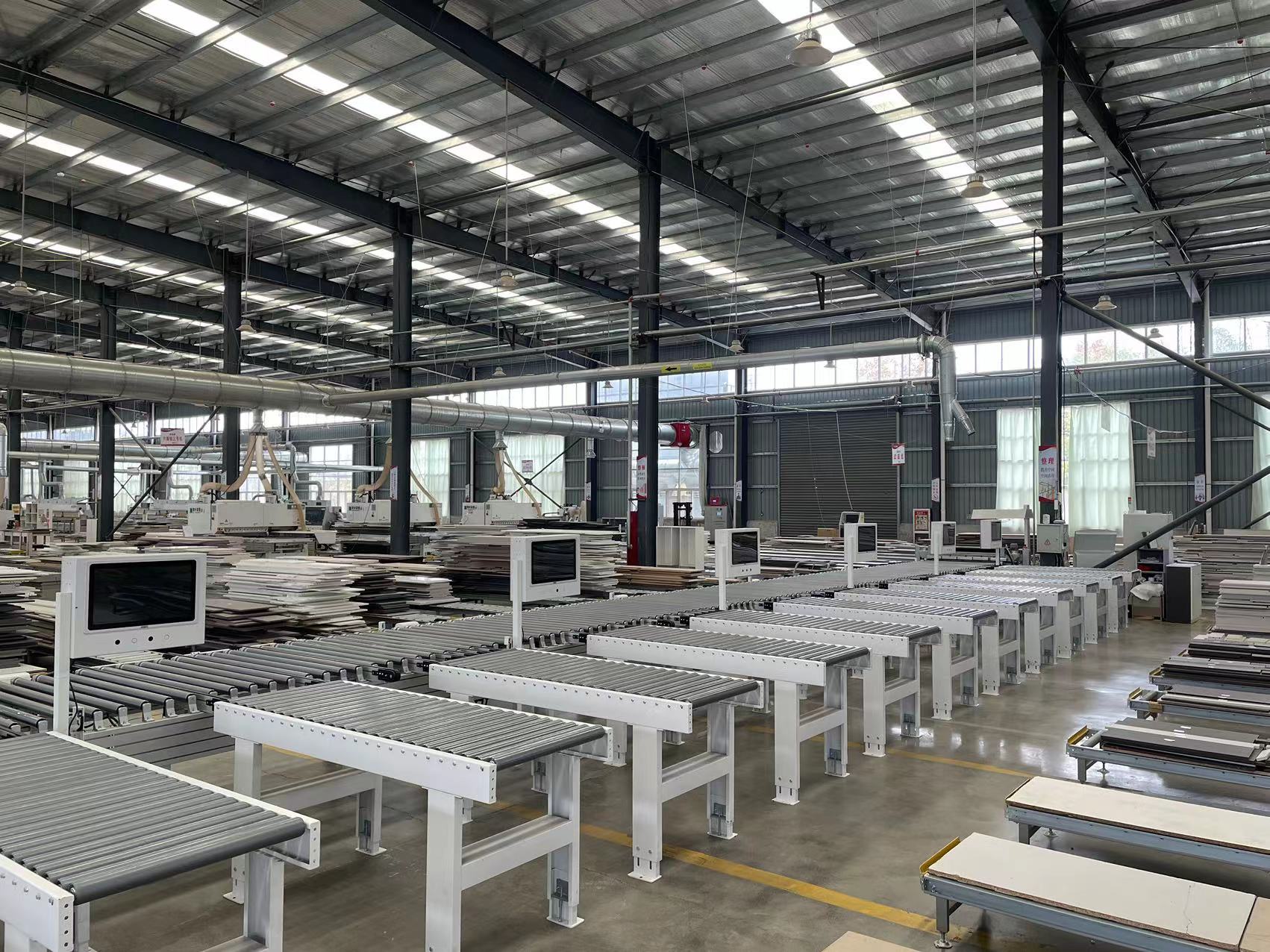
1. Smart Monitoring: Making Conveyor Systems Visible
In conventional factories, conveyors often operate as “black boxes.” When issues occur, operators react only after production is affected. The introduction of an IoT Smart Conveyor System changes this dynamic completely.
Real-Time Operational Monitoring
Sensors continuously collect data on conveyor speed, load conditions, motor temperature, and energy consumption. These signals are processed instantly, allowing operators to visualize performance in real time—an essential capability for modern Industry 4.0 Conveyor Solutions.
Early Warning and Fault Alerts
Instead of reacting to breakdowns, the system identifies anomalies early. Sudden load changes or abnormal power usage trigger alerts before failures occur, reinforcing the value of a Predictive Maintenance Conveyor architecture.
Remote Mobile Access
Through mobile dashboards, supervisors can monitor system status remotely. Whether on-site or off-site, users can access live data through mobile applications, enabling faster decision-making across the Intelligent Factory Conveyor network.
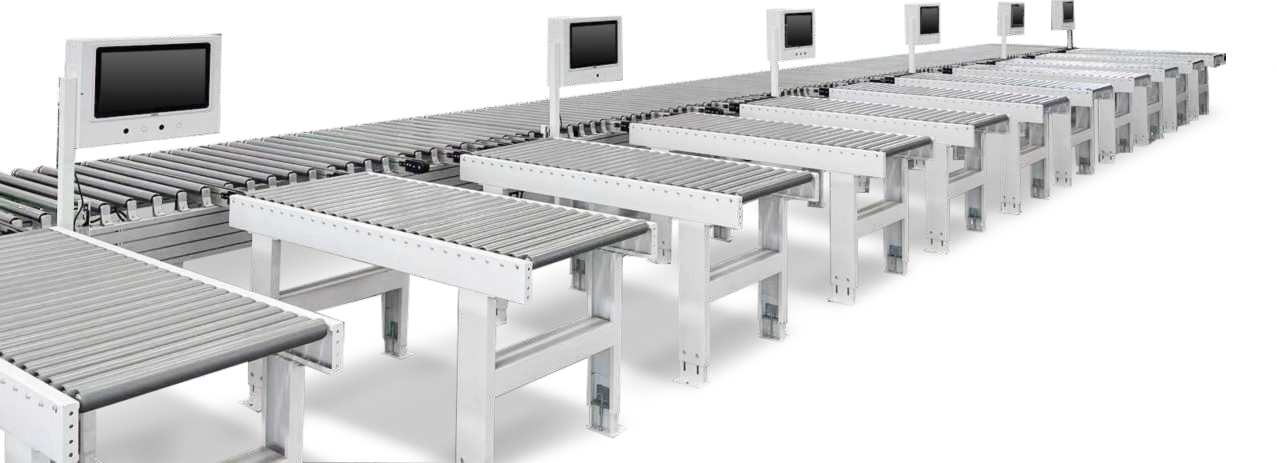
2. Data Analysis: Turning Motion into Insight
Data collection alone is not enough. Value emerges when data is transformed into actionable intelligence—this is where Data Driven Material Handling becomes critical.
Production Rhythm and Bottleneck Analysis
By analyzing conveyor cycle times and dwell durations, the system identifies upstream and downstream bottlenecks. These insights help optimize layout and sequencing within Industry 4.0 Conveyor Solutions.
Automatic OEE Calculation
Overall Equipment Effectiveness (OEE) is calculated automatically based on availability, performance, and quality indicators. This eliminates manual reporting and elevates the role of the IoT Smart Conveyor System from support equipment to performance driver.
Intelligent Maintenance Scheduling
Usage patterns and operational loads are continuously analyzed to recommend optimal maintenance intervals. This ensures the Predictive Maintenance Conveyor operates efficiently without unnecessary downtime.
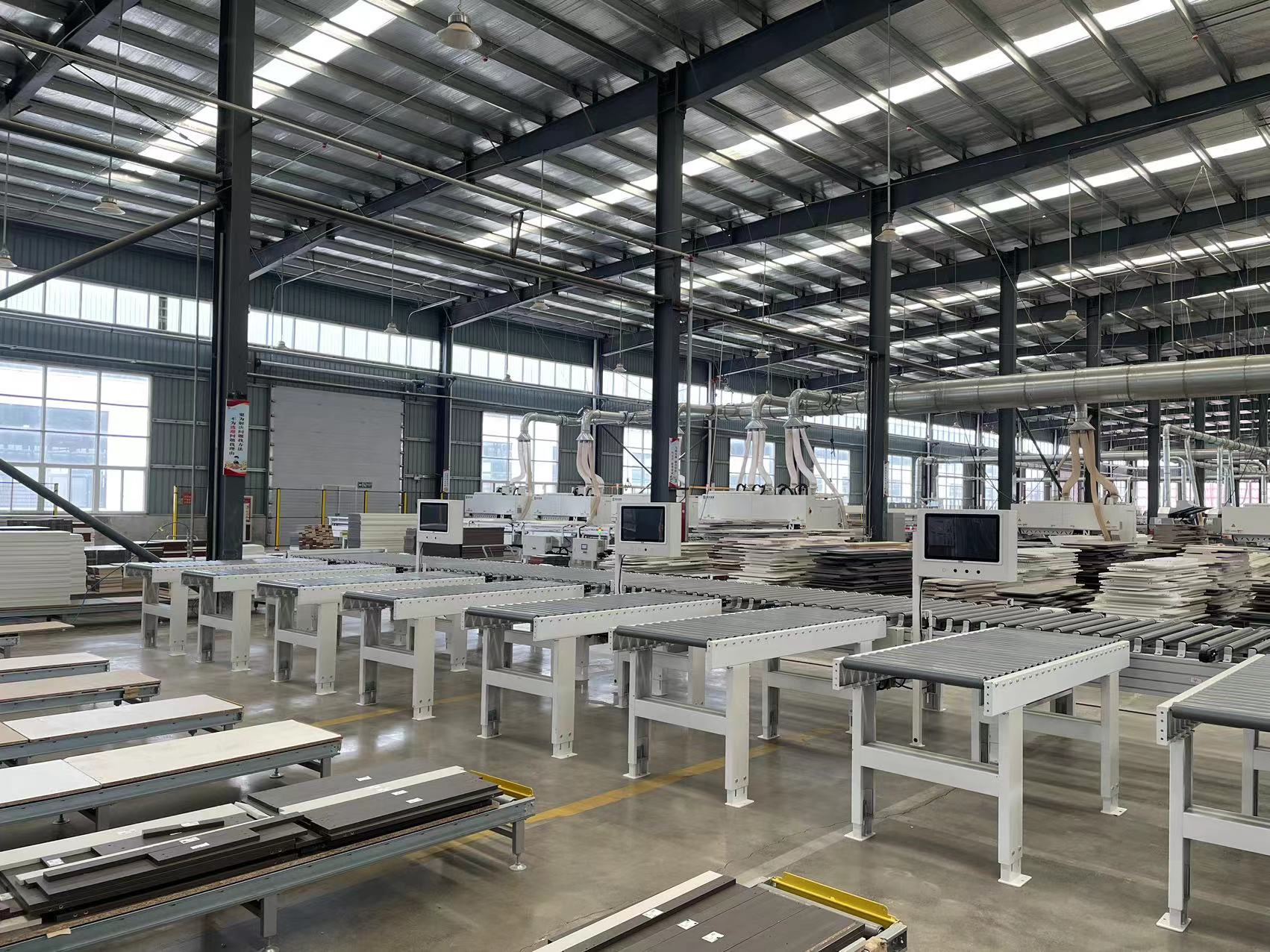
3. System Integration: Connecting the Digital Factory
A key strength of modern conveyor platforms lies in their ability to connect seamlessly with enterprise systems.
MES and ERP Connectivity
Production data from the Intelligent Factory Conveyor is synchronized with MES and ERP platforms, enabling real-time production tracking and inventory coordination.
OPC UA Communication Support
Standardized OPC UA protocols ensure secure, scalable data exchange. This allows the IoT Smart Conveyor System to integrate effortlessly into heterogeneous automation environments.
Expandable Interfaces
The system supports expansion with vision inspection modules, robotic arms, and sorting units. These extensions strengthen Data Driven Material Handling by creating a unified, intelligent logistics loop.
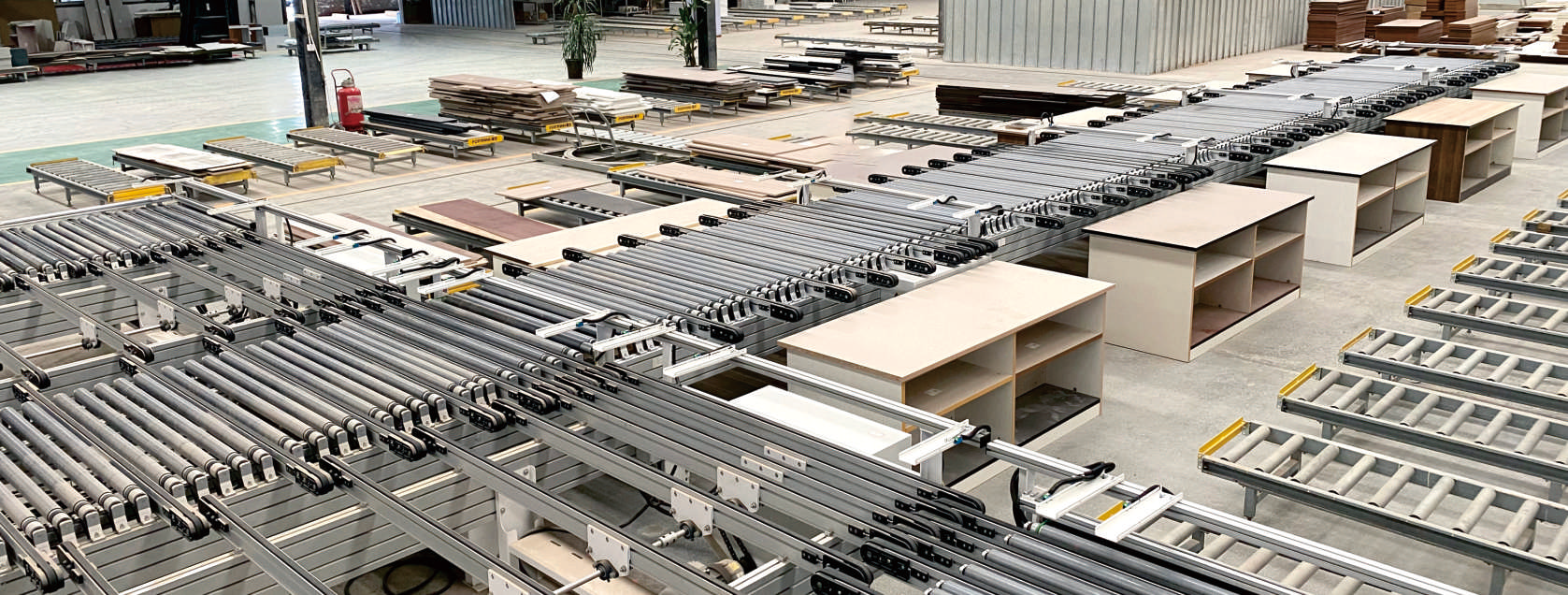
4. Predictive Maintenance: From Reactive to Proactive
Maintenance has traditionally been reactive—fixing problems after failure. IoT integration transforms this model.
Big Data–Based Failure Prediction
Historical operating data is used to build predictive models that anticipate component wear. This proactive approach defines the next generation of Predictive Maintenance Conveyor systems.
Critical Component Lifecycle Monitoring
Key parts such as motors, rollers, and drive units are monitored continuously. Remaining useful life is calculated dynamically, improving reliability across the Intelligent Factory Conveyor ecosystem.
Automated Preventive Maintenance Plans
Maintenance schedules are generated automatically based on real usage rather than fixed intervals. This reduces over-maintenance while ensuring system stability—one of the defining benefits of Industry 4.0 Conveyor Solutions.
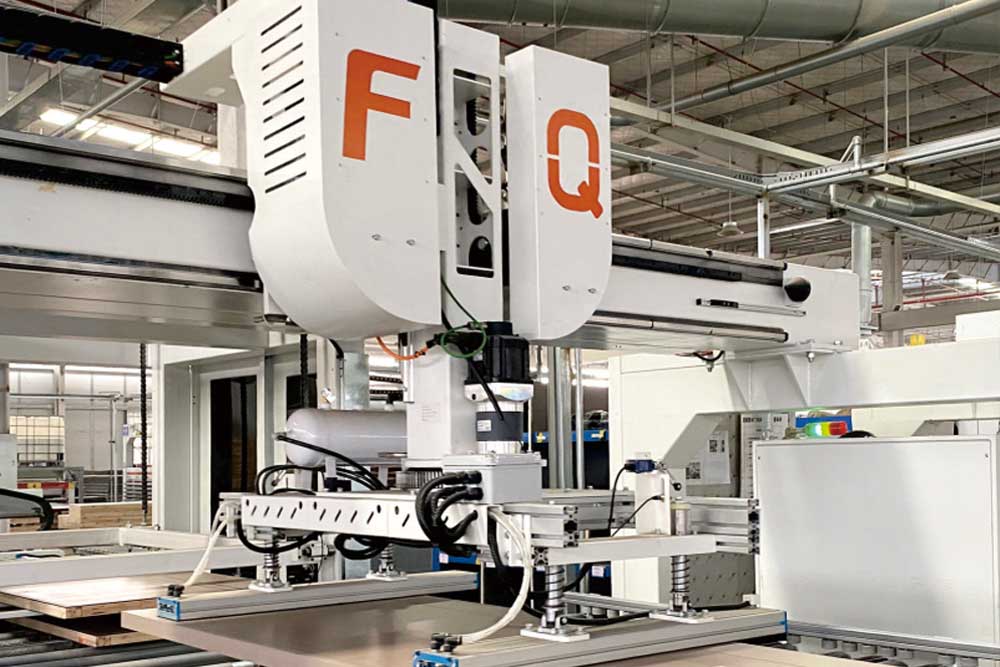
Industry Performance Analysis Table
| Indicator | Traditional Conveyor | IoT-Integrated Conveyor |
| Monitoring method | Manual inspection | Real-time sensor-based |
| Fault detection | After failure | Predictive alerts |
| Maintenance strategy | Time-based | Data-driven |
| OEE visibility | Limited | Automatic calculation |
| Integration level | Standalone | MES/ERP connected |
| Digital readiness | Low | Fully Industry 4.0–ready |
This comparison illustrates how Data Driven Material Handling elevates conveyors from passive transport tools to intelligent production assets.
FAQ
Q1: Is IoT integration suitable for existing conveyor lines?
Yes. Most legacy systems can be upgraded to an IoT Smart Conveyor System through modular sensor and controller integration.
Q2: Does data collection increase system complexity?
No. The platform simplifies management by centralizing data and automating analysis within Industry 4.0 Conveyor Solutions.
Q3: How secure is the data transmission?
Industrial-grade encryption and OPC UA protocols ensure secure communication across the Intelligent Factory Conveyor network.
Q4: What industries benefit most from predictive maintenance?
Furniture, packaging, food processing, and logistics benefit significantly from Predictive Maintenance Conveyor technologies.
Q5: How quickly can ROI be achieved?
Most users see ROI within 9–15 months due to reduced downtime and optimized maintenance enabled by Data Driven Material Handling.
Conclusion: The Conveyor as the Digital Gateway
In the journey toward smart manufacturing, the most effective transformations often begin with the most overlooked systems. By integrating IoT, analytics, and predictive intelligence, the return conveyor becomes more than a transport mechanism—it becomes the digital gateway to Industry 4.0.
With its ability to collect data, generate insight, and anticipate issues, the IoT Smart Conveyor System now stands at the core of modern Industry 4.0 Conveyor Solutions. For manufacturers seeking scalable digital transformation, investing in an Intelligent Factory Conveyor is no longer an upgrade—it is a strategic foundation.
Call to Action
FORTRAN invites manufacturers to explore customized IoT-enabled conveyor solutions designed around real production needs.
Start your Industry 4.0 journey where motion meets intelligence—upgrade your conveyor system today.
