

In the era of global manufacturing transformation, the pursuit of "zero waste" has evolved from a corporate social responsibility slogan to a core competitive strategy. Factories around the world are struggling to eliminate inefficiencies, reduce resource consumption, and build sustainable production models. Amid this wave, the Automated Material Return System, as a key component of the Circular Manufacturing Conveyor ecosystem, is quietly reshaping the production landscape. It is no longer just a simple material transportation tool but a cornerstone for enterprises to build closed-loop systems and realize lean production. For manufacturing decision-makers, mastering how to leverage this system to eradicate waste and optimize processes has become a decisive factor in gaining an edge in the fierce market competition.
FORTRAN, a technology company that excels in balancing mechanical structure design and software development, has long been at the forefront of China's automation field. With outstanding technical strength and large-scale production capacity, the company focuses on the R&D and production of automation equipment such as automatic loading and unloading equipment, automatic conveyor lines, elevators, paper cutters, case sealers, and box folding machines. Among these, the Automated Material Return System series, which is closely integrated with the concept of zero waste production, has become a benchmark in the industry due to its stable performance and customized solutions. "The core of zero waste manufacturing lies in the efficient circulation and reuse of resources," said a senior technical expert at FORTRAN. "The Circular Manufacturing Conveyor and Efficient Material Handling System we developed are not just about transporting materials; they are about building an intelligent closed-loop ecosystem that connects every link of production, helping customers minimize waste and maximize benefits in the production process."
Against the backdrop of increasing global attention to sustainable development, the market demand for green and efficient automation equipment is showing explosive growth. According to the "Global and China Conveyor Industry Insight Research Report" released by GEP Research in 2025, the global market scale of Sustainable Production Conveyor equipment exceeded 35 billion US dollars in 2024, with China accounting for about 38% of the share, making it the world's largest single market. Among them, the Automated Material Return System, as a key segment promoting zero waste production, has maintained an annual growth rate of more than 22% in recent years. This growth trend is closely linked to the pain points of traditional production lines plagued by waste and the urgent need for enterprises to transform to lean and sustainable production. In this context, exploring how Automated Material Return Systems help build zero-waste closed-loop production lines has become an important topic in the global manufacturing industry.
1. The Eight Wastes of Lean Production: The Pain Points Addressed by Zero Waste Production Lines
Lean production, originated from the Toyota Production System, takes "eliminating waste" as its core goal. It summarizes the inefficiencies in production into eight major wastes, namely overproduction, inventory, waiting, transportation, processing, motion, defects, and unused talent. These wastes not only increase production costs but also hinder the improvement of production efficiency and the realization of sustainable development. For a long time, traditional production lines have been trapped in these wastes, especially in material circulation links. The Zero Waste Production Line, supported by Automated Material Return Systems, has become an effective tool to tackle these pain points.
Overproduction, known as the "mother of all wastes," often occurs due to the disconnection between production and demand. In traditional production lines, the lack of efficient material circulation systems makes enterprises tend to produce more products in advance to avoid the risk of supply shortages, resulting in a backlog of inventory. The Automated Material Return System, combined with intelligent sensing and scheduling technology, can realize real-time matching between material supply and production demand. By accurately conveying semi-finished products and auxiliary materials to the corresponding processes on time, it avoids the waste of resources caused by overproduction. For example, in the electronic component manufacturing industry, the application of FORTRAN's Automated Material Return System enables enterprises to adjust production batches in real time according to order changes, reducing overproduction waste by more than 30%.
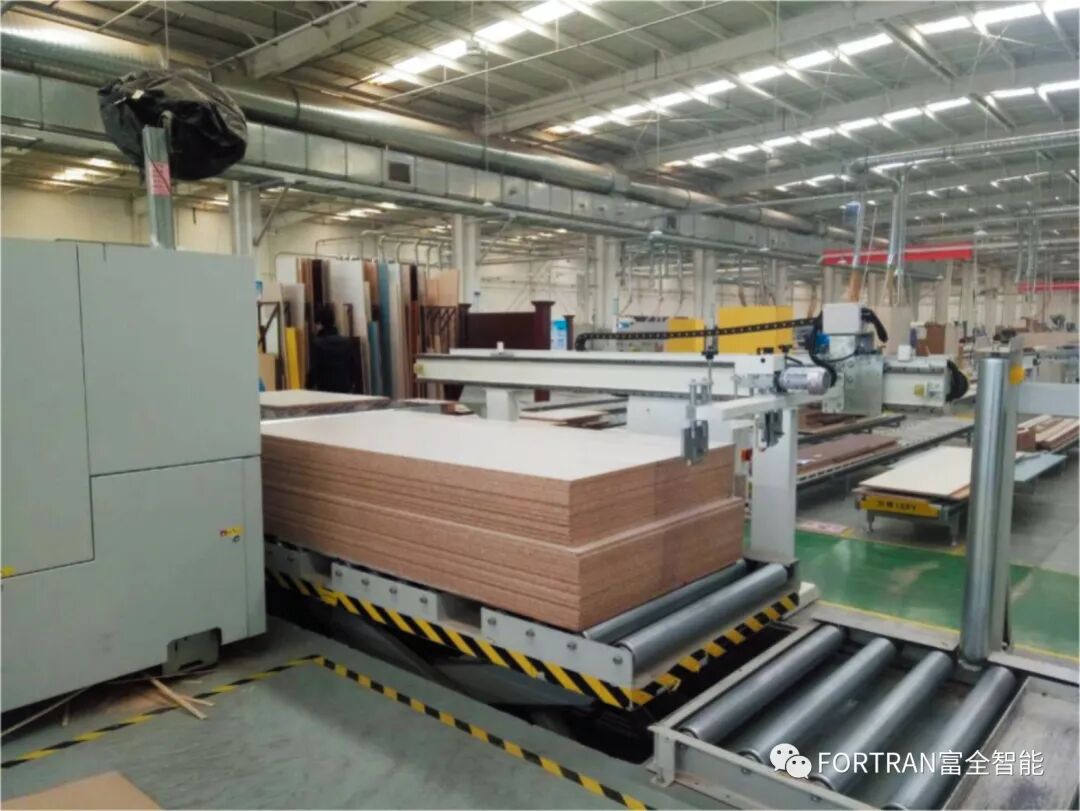
Inventory waste is another major pain point for traditional enterprises. A large amount of raw materials, semi-finished products, and auxiliary materials (such as empty pallets and fixtures) occupy a lot of warehouse space and capital. In traditional production lines, due to the lack of efficient return and reuse mechanisms, enterprises have to reserve a large number of auxiliary materials, resulting in inventory backlogs. The Automated Material Return System realizes the closed-loop reuse of auxiliary materials by automatically returning empty pallets, fixtures, and other materials to the starting point of production, greatly reducing the need for inventory. Taking the auto parts manufacturing industry as an example, a manufacturer using FORTRAN's Circular Manufacturing Conveyor reduced the inventory of fixtures by 60% after realizing the automatic return and reuse of fixtures.
Waiting waste is widespread in traditional production lines, mostly caused by the mismatch between material circulation speed and production rhythm. In traditional material transportation, manual handling or simple one-way conveyors often lead to delays in material supply, making processing equipment and workers in a waiting state. The Efficient Material Handling System, with its stable and adjustable conveying speed, ensures the seamless connection between processes. It can adjust the conveying rhythm in real time according to the production speed of each process, eliminating waiting time. Data shows that after applying the Automated Material Return System, the waiting time of production line workers can be reduced by 40% to 60%, significantly improving production efficiency.
Transportation waste refers to the unnecessary movement of materials during the production process, such as redundant handling, long-distance transportation, and repeated transportation. Traditional production lines often have irrational transportation routes due to the lack of integrated material circulation planning, resulting in a waste of time and energy. The Circular Manufacturing Conveyor, with its flexible layout and closed-loop design, optimizes the transportation route of materials. It realizes the shortest-distance transportation between processes and the automatic return of materials, avoiding redundant transportation. At the same time, the integration of lifting and turning mechanisms saves workshop space and further reduces transportation waste. The Sustainable Production Conveyor equipment developed by FORTRAN can reduce transportation distance by an average of 35% for enterprises, thereby reducing energy consumption caused by transportation.
Processing waste, motion waste, and defect waste are also closely related to material circulation. The inaccurate positioning of traditional conveying equipment often leads to secondary processing of materials; the unreasonable layout of transportation routes increases the unnecessary movement of workers; the unstable conveying process easily causes collisions and scratches of materials, resulting in defects. The Automated Material Return System, equipped with high-precision positioning and stable conveying mechanisms, can effectively reduce these wastes. Its photoelectric sensing and limit switching devices ensure the accurate positioning of materials, reducing processing waste; the optimized transportation route reduces workers' motion; the anti-skid and anti-collision design of the conveyor belt reduces material defects. In addition, the unused talent waste can also be alleviated by the Automated Material Return System. By replacing manual repetitive handling work, it frees up workers to engage in more valuable work such as equipment maintenance and quality control, giving full play to the value of talents.
It is not difficult to see that the eight wastes of lean production are interrelated, and the inefficient material circulation is an important root cause. The Zero Waste Production Line, built on the basis of Automated Material Return Systems, fundamentally solves the problem of material circulation inefficiency, providing a strong guarantee for enterprises to eliminate waste and realize lean production.
2. Building a Circular Manufacturing Model: The Core Role of Automated Material Return Systems
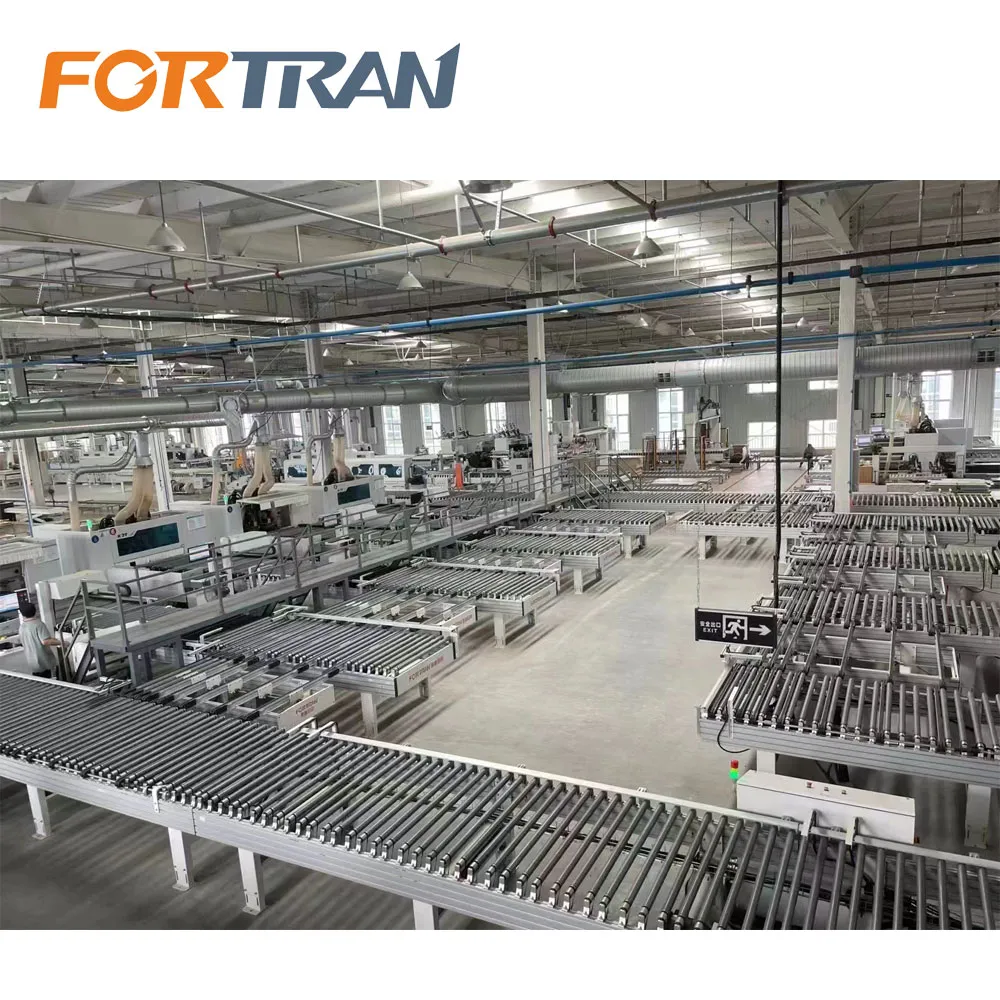
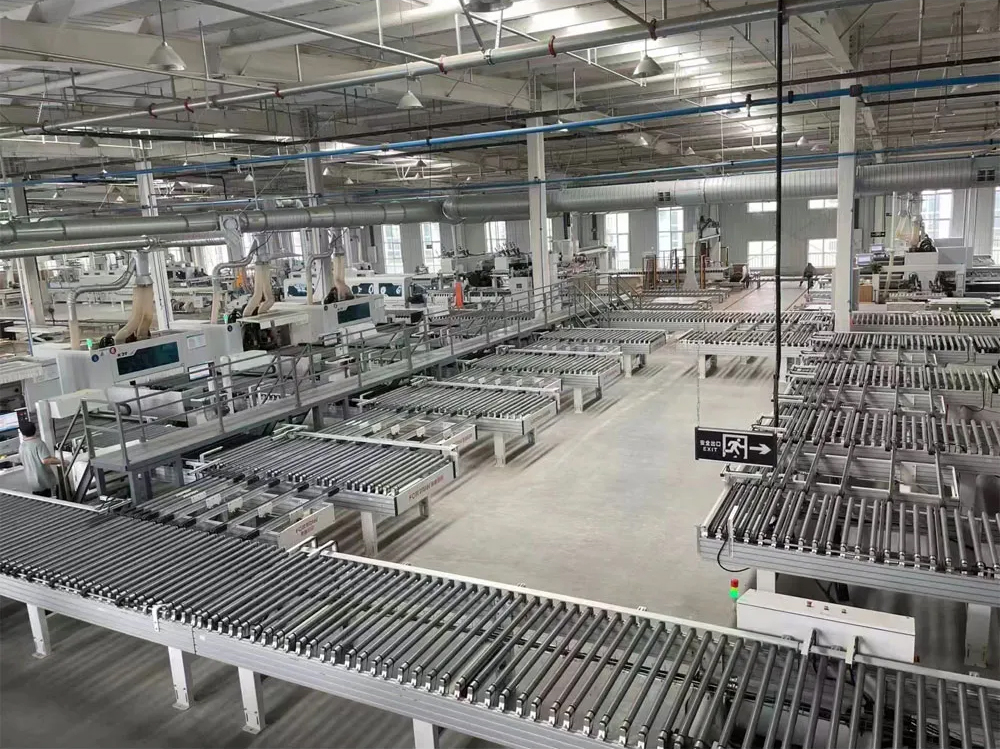
Circular manufacturing, as an important part of the circular economy, emphasizes the closed-loop flow of resources in the production process, that is, "resource - product - waste - renewable resource". The construction of this model requires the support of efficient material circulation systems, and the Automated Material Return System is precisely the core carrier to realize this closed-loop flow. It connects the upstream and downstream of the production chain through the organic combination of main conveying lines, return conveying lines, and intelligent control systems, realizing the efficient circulation and reuse of materials and laying the foundation for the construction of circular manufacturing models.
The first step in building a circular manufacturing model is to realize the closed-loop reuse of auxiliary materials. In the production process, a large number of auxiliary materials such as empty pallets, fixtures, and packaging boxes are used. In traditional production lines, these auxiliary materials are often collected and returned manually after use, which is inefficient and prone to loss. The Automated Material Return System realizes the automatic collection, transportation, and reuse of auxiliary materials. After the auxiliary materials are used in the previous process, they are automatically transported back to the starting point of the production line through the return conveying line, ready for reuse in the next production cycle. This closed-loop reuse not only reduces the consumption of auxiliary materials but also reduces the environmental pollution caused by the disposal of waste auxiliary materials. For example, in the food processing industry, the Sustainable Production Conveyor developed by FORTRAN realizes the automatic return and reuse of food packaging boxes, reducing the consumption of packaging materials by 50% and the generation of packaging waste by 45%.
The second step is to optimize the circulation of semi-finished products and realize the flexible connection of production processes. In circular manufacturing, the circulation of semi-finished products between processes needs to be efficient and flexible to adapt to the needs of multi-variety and small-batch production. The Automated Material Return System, with its modular design and stepless speed regulation function, can flexibly adjust the conveying route and speed according to the type and production rhythm of semi-finished products. It realizes the seamless connection between different processes, avoiding the accumulation of semi-finished products and the idleness of equipment. At the same time, the system can also realize the reverse conveying of semi-finished products, which is convenient for the rework and repair of defective products, reducing the waste of resources. The Circular Manufacturing Conveyor of FORTRAN adopts a modular design, which can be quickly spliced and adjusted according to the workshop layout and production needs, providing flexible support for the circulation of semi-finished products.
The third step is to integrate with the waste treatment link to realize the resource utilization of waste. The circular manufacturing model not only pays attention to the reuse of materials in the production process but also emphasizes the resource utilization of production waste. The Automated Material Return System can be connected with the waste treatment equipment in the factory, transporting production waste such as scraps and defective products generated in the production process to the waste treatment station in a timely manner. After treatment, the waste is converted into renewable resources and re-entered into the production process, forming a complete circular chain. For example, in the metal processing industry, the Efficient Material Handling System transports metal scraps generated during processing to the recycling station for smelting and reuse, reducing the demand for raw materials and improving resource utilization efficiency.
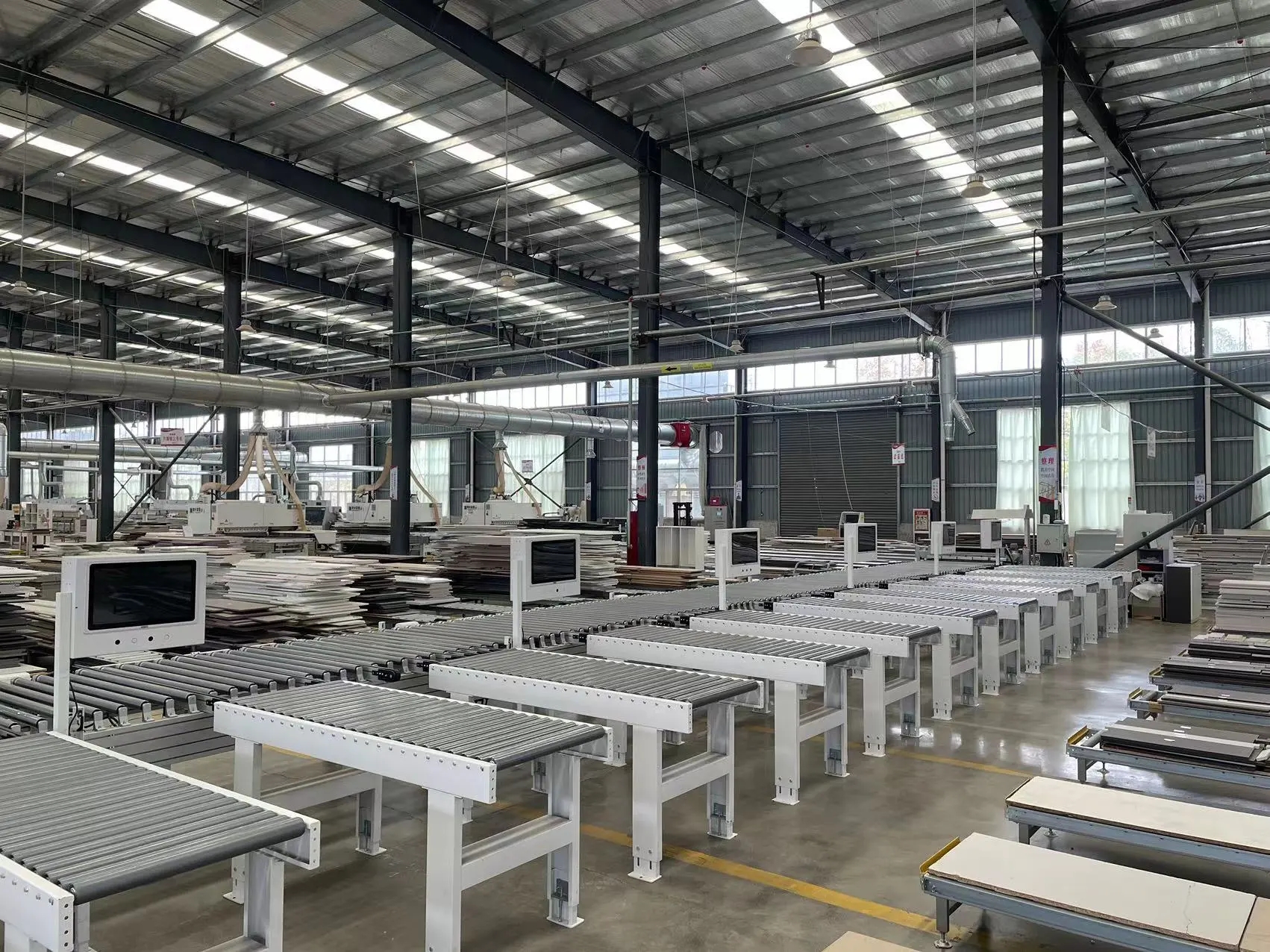
The construction of a circular manufacturing model also requires the support of intelligent management. The Automated Material Return System is equipped with an advanced PLC control system and a human-machine interface, which can realize real-time monitoring and data collection of the material circulation process. The collected data, such as material flow, conveying efficiency, and reuse rate, is uploaded to the enterprise's production management system, providing data support for the optimization of the circular manufacturing model. Managers can adjust the production and circulation strategy according to the data analysis results, continuously improving the efficiency of the circular manufacturing model. FORTRAN's Automated Material Return System can be connected with the enterprise's MES, ERP, and other systems through multiple protocols, realizing the deep integration of material circulation and production management, and promoting the intelligent development of the circular manufacturing model.
3. Energy Conservation and Environmental Protection Benefits: The Green Value of Sustainable Production Conveyors
In the context of global carbon neutrality, energy conservation and environmental protection have become important indicators for measuring the competitiveness of enterprises. The Sustainable Production Conveyor, represented by the Automated Material Return System, not only helps enterprises realize zero waste production but also brings significant energy conservation and environmental protection benefits, promoting the green transformation of enterprises. These benefits are mainly reflected in reducing energy consumption, reducing environmental pollution, and saving resources.
Reducing energy consumption is one of the most direct environmental benefits of the Automated Material Return System. Traditional manual handling and simple conveying equipment have low energy efficiency and high energy consumption. The Automated Material Return System adopts high-efficiency energy-saving motors and frequency converters, which can adjust the output power according to the conveying load, avoiding energy waste caused by idling. At the same time, the optimized design of the system, such as the use of low-friction conveyor belts and high-precision transmission mechanisms, reduces the energy loss during the operation of the equipment. Data shows that compared with traditional conveying methods, the energy consumption of FORTRAN's Sustainable Production Conveyor can be reduced by 30% to 40%. Taking a medium-sized auto parts factory as an example, after using the Automated Material Return System, the annual electricity consumption for material transportation is reduced by 120,000 kWh, which is equivalent to reducing carbon emissions by 96 tons.
Reducing environmental pollution is another important environmental benefit of the Automated Material Return System. In traditional production lines, manual handling of materials is prone to material leakage, scattering, and other problems, causing pollution to the workshop environment. The closed conveying design of the Automated Material Return System avoids the scattering of materials during transportation, keeping the workshop environment clean. At the same time, the system realizes the closed-loop reuse of auxiliary materials and the resource utilization of waste, reducing the generation of solid waste. For example, in the chemical industry, the Circular Manufacturing Conveyor with a closed structure prevents the leakage of chemical materials during transportation, avoiding environmental pollution and ensuring the health of workers. In addition, the use of environmentally friendly materials in the production of the Automated Material Return System, such as recyclable steel and non-toxic rubber, reduces environmental pollution caused by equipment disposal.
Saving resources is an important manifestation of the environmental protection value of the Automated Material Return System. On the one hand, the system realizes the reuse of auxiliary materials such as empty pallets and fixtures, reducing the demand for new auxiliary materials and saving resource consumption. On the other hand, the system optimizes the production process, reduces the generation of defective products and waste, and improves the utilization rate of raw materials. For example, in the paper pulp molding industry, the Efficient Material Handling System realizes the automatic return and reuse of drying trays, reducing the damage rate of trays from 10% to 2%, saving a lot of wood resources used in the production of trays. According to statistics, enterprises using the Automated Material Return System can save an average of 20% to 30% of auxiliary material consumption and 5% to 10% of raw material consumption.
The energy conservation and environmental protection benefits of the Automated Material Return System not only help enterprises reduce production costs but also enhance their social image. With the increasing attention of the society to environmental protection, enterprises that take the lead in realizing green production will gain more market recognition and policy support. For example, many local governments have introduced preferential policies such as tax reductions and subsidies for enterprises that purchase and use energy-saving and environmental protection equipment such as Sustainable Production Conveyors. FORTRAN has always adhered to the concept of green development, integrating energy-saving and environmental protection technologies into the R&D and production of Automated Material Return Systems, helping customers achieve both economic and environmental benefits.
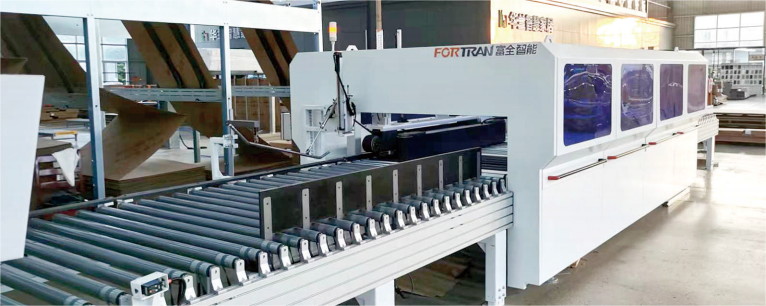
4. Digital Management Integration: The Intelligent Upgrade of Efficient Material Handling Systems
The digital transformation of manufacturing is an inevitable trend, and the integration of digital management is an important direction for the development of Automated Material Return Systems. The Efficient Material Handling System, which is deeply integrated with digital technology, realizes the intelligent monitoring, scheduling, and optimization of the material circulation process, laying a foundation for the construction of smart factories. This integration is mainly reflected in the connection with enterprise management systems, the application of big data analysis, and the realization of remote monitoring and predictive maintenance.
The connection with enterprise management systems is the basis of digital management integration. The Automated Material Return System is equipped with a high-performance PLC control system, which can be seamlessly connected with the enterprise's MES (Manufacturing Execution System), ERP (Enterprise Resource Planning), and other management systems through Restful, SQL, Rabbit MQ, and other protocols. This connection realizes the sharing and intercommunication of data between material circulation and production management. For example, the MES system can send production plans to the Automated Material Return System, and the system adjusts the conveying rhythm and route according to the production plans; the data such as material conveying volume and efficiency collected by the Automated Material Return System is uploaded to the ERP system, providing a basis for enterprise cost accounting and resource allocation. The deep integration of FORTRAN's Circular Manufacturing Conveyor with enterprise management systems has helped many customers realize the digital management of the entire production process, improving management efficiency by more than 40%.
The application of big data analysis is the core of digital management integration. The Automated Material Return System collects a large amount of operation data during the operation process, such as conveying speed, load, operating time, and fault information. Through big data analysis technology, enterprises can dig out the potential value of these data, optimize the material circulation process, and improve production efficiency. For example, by analyzing the conveying speed and load data of different processes, managers can find out the bottlenecks in the material circulation process and adjust the conveying strategy; by analyzing the fault information data, they can summarize the law of equipment failures and take targeted maintenance measures. FORTRAN has built a professional big data analysis platform for its Automated Material Return System, which can provide customers with customized data analysis reports, helping them continuously optimize the material circulation process.
The realization of remote monitoring and predictive maintenance is an important manifestation of digital management integration. The Automated Material Return System is equipped with a remote monitoring module, which enables managers to monitor the operation status of the system in real time through computers, mobile phones, and other terminal devices. They can check parameters such as conveying speed, load, and equipment temperature at any time, and receive real-time alarm information when the system fails. This remote monitoring function not only improves the efficiency of equipment management but also reduces the need for on-site management personnel. At the same time, based on big data analysis and artificial intelligence technology, the system can predict potential faults in advance, such as bearing wear and conveyor belt deviation, and send out early warning signals to remind maintenance personnel to carry out maintenance work in a timely manner. This predictive maintenance method avoids unexpected equipment shutdowns, reduces maintenance costs, and improves the reliability of the system. The predictive maintenance function of FORTRAN's Automated Material Return System can reduce equipment failure rates by more than 60% and reduce maintenance costs by 30% to 50%.
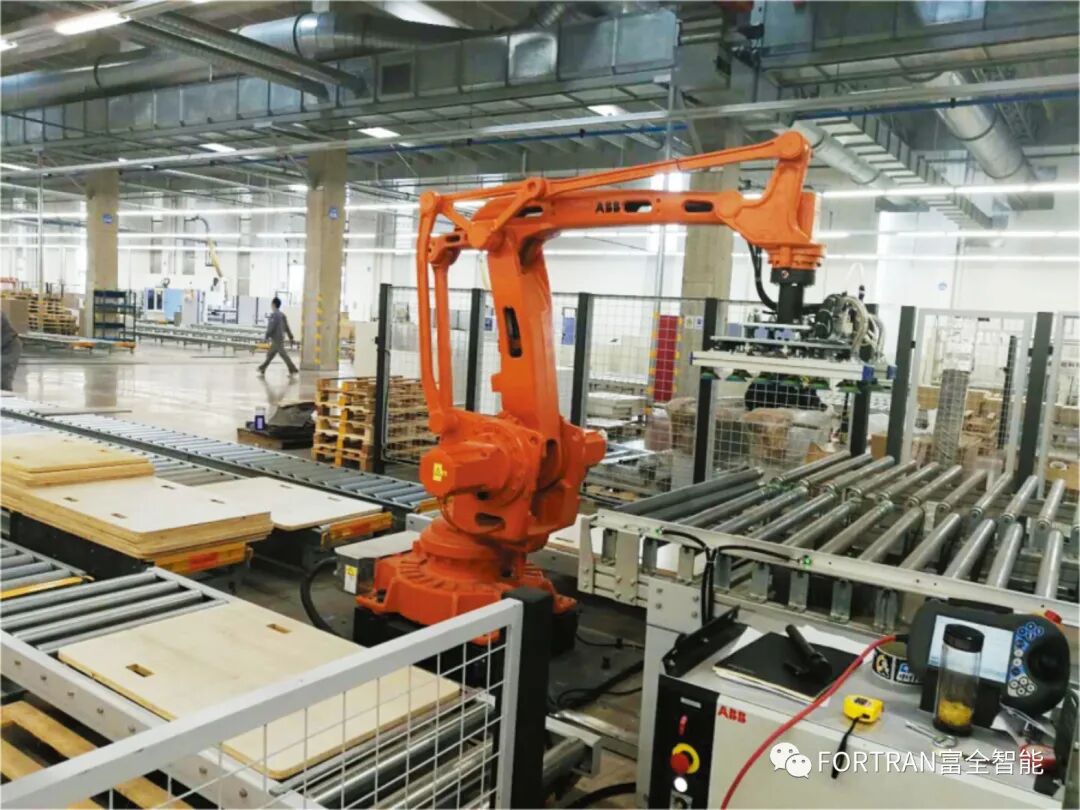
5. Implementation Roadmap: How Enterprises Deploy Automated Material Return Systems for Zero Waste Production
Deploying Automated Material Return Systems to build Zero Waste Production Lines is a systematic project that requires enterprises to formulate scientific implementation roadmaps based on their own actual conditions. Blind deployment will not only fail to achieve the expected results but also cause waste of resources. The following is a detailed implementation roadmap for enterprises, including demand analysis, program design, equipment selection, installation and commissioning, personnel training, and operation optimization.
5.1 Demand Analysis: Clarify the Goals and Pain Points
The first step in deploying an Automated Material Return System is to conduct in-depth demand analysis. Enterprises need to clarify their own production characteristics, pain points in the material circulation process, and the goals of zero waste production. Specifically, they need to investigate the following aspects: First, the characteristics of conveyed materials, including the weight, size, shape, and properties of raw materials, semi-finished products, and auxiliary materials. Second, the current situation of the production line, including the layout of the workshop, the connection between processes, and the existing material conveying methods. Third, the current waste situation, including the types, quantities, and causes of waste in the production process. Fourth, the expected goals, such as reducing waste by how much, improving production efficiency by how much, and saving energy by how much. Based on this, enterprises can clarify the functional requirements, technical parameters, and deployment scope of the Automated Material Return System.
5.2 Program Design: Customize the Closed-Loop Solution
After clarifying the demand, enterprises need to work with professional automation equipment manufacturers to design a customized Automated Material Return System solution. The program design should focus on building a closed-loop material circulation system, integrating the main conveying line, return conveying line, lifting mechanism, turning mechanism, and control system. At the same time, it is necessary to consider the compatibility with the existing production equipment and management system to ensure the seamless connection between the new system and the original production system. For example, for enterprises with limited workshop space, a multi-layer Automated Material Return System can be designed to save space; for enterprises with multi-variety and small-batch production, a modular and flexible Circular Manufacturing Conveyor can be selected to adapt to the needs of different products. FORTRAN has a professional program design team that can conduct on-site surveys according to the actual situation of customers, design personalized solutions, and ensure that the solution is scientific, reasonable, and feasible.
5.3 Equipment Selection: Choose High-Quality and Suitable Equipment
Equipment selection is a key link in the deployment of the Automated Material Return System. Enterprises need to select equipment with reliable quality, stable performance, and suitable for their own production needs. When selecting equipment, they should pay attention to the following aspects: First, the technical parameters of the equipment, such as conveying speed, load capacity, conveying width, and length, which should match the characteristics of the conveyed materials and the production rhythm. Second, the quality and reliability of the equipment, such as the service life of core components, failure rate, and after-sales service. Third, the energy-saving and environmental protection performance of the equipment, such as energy consumption, noise, and the use of environmentally friendly materials. Fourth, the intelligent level of the equipment, such as whether it has functions such as remote monitoring, fault alarm, and data collection. Enterprises can refer to the industry analysis parameter table to select the most suitable equipment model.
5.4 Installation and Commissioning: Ensure the Stable Operation of the System
After selecting the equipment, the manufacturer's professional team will carry out on-site installation and commissioning. During the installation process, it is necessary to strictly follow the design plan to ensure the accuracy of the equipment installation position and the stability of the connection. After the installation is completed, the commissioning work is carried out, including debugging the conveying speed, positioning accuracy, and control system of the equipment. During the commissioning process, it is necessary to simulate various production scenarios to ensure that the system can operate stably under different working conditions. At the same time, it is necessary to check the connection between the system and the existing production equipment and management system to ensure the normal flow of data and the coordinated operation of the equipment. FORTRAN provides professional installation and commissioning services, with a team of experienced technicians who can complete the installation and commissioning work efficiently and ensure that the system meets the design requirements.
5.5 Personnel Training: Improve the Operation and Maintenance Level
The stable operation of the Automated Material Return System requires the support of professional personnel. Enterprises need to organize relevant personnel (including operators, maintenance personnel, and managers) to participate in training. The training content includes the basic structure and working principle of the system, operation methods, daily maintenance, fault handling, and data analysis. Through training, employees can master the use and maintenance skills of the system, improve the operation and maintenance level, and ensure the long-term stable operation of the system. FORTRAN provides systematic training services, including on-site training and online training, to meet the different needs of customers.
5.6 Operation Optimization: Continuously Improve the Effect of Zero Waste Production
After the Automated Material Return System is put into operation, enterprises need to continuously collect operation data, analyze the operation effect, and optimize the system. They can adjust the conveying parameters and strategies according to the changes in production needs and market demand to improve the efficiency of material circulation. At the same time, they can summarize the experience and lessons in the operation process, continuously improve the management system, and promote the in-depth implementation of zero waste production. The optimization work is a long-term process that requires the joint efforts of enterprises and manufacturers. FORTRAN will conduct regular follow-up visits to customers, understand the operation status of the system, and provide technical support and optimization suggestions to help customers continuously improve the effect of zero waste production.
6. Industry Analysis Parameter Table: Key Indicators of Automated Material Return Systems
The technical parameters of Automated Material Return Systems are important indicators to measure their performance and adaptability, directly determining whether they can meet the actual production needs of enterprises. The following table shows the key technical parameters of mainstream Automated Material Return System products in the industry, taking FORTRAN's products as examples, to provide a reference for enterprises in equipment selection.
Product Model | Maximum Conveying Speed | Maximum Single-Piece Load | Maximum Conveying Width | Maximum Conveying Length | Power | Energy Saving Rate | Operating Noise | Applicable Scenarios | Core Advantages |
FRT-L100 (Light Load) | 0.5m/min-10m/min (stepless adjustment) | 5kg-50kg | 300mm-800mm | Max 20m | 0.75kW-1.5kW | ≥35% | ≤65dB | Electronic component assembly, light industrial product processing | Low energy consumption, low noise, flexible layout, suitable for small and light materials |
FRT-M300 (Medium Load) | 1m/min-15m/min (stepless adjustment) | 50kg-500kg | 500mm-1500mm | Max 50m | 1.5kW-3kW | ≥30% | ≤70dB | Food processing, daily chemical product production | Stable performance, closed conveying, easy cleaning, in line with food hygiene standards |
FRT-H500 (Heavy Load) | 0.5m/min-12m/min (stepless adjustment) | 500kg-5000kg | 800mm-2500mm | Max 100m | 3kW-11kW | ≥25% | ≤75dB | Auto parts manufacturing, construction machinery production | High load capacity, strong stability, anti-skid and anti-collision, long service life |
FRT-S200 (High Speed) | 10m/min-20m/min (stepless adjustment) | 10kg-100kg | 400mm-1000mm | Max 30m | 2.2kW-5.5kW | ≥32% | ≤68dB | E-commerce logistics sorting, packaging industry | High conveying speed, high positioning accuracy, modular design, easy expansion |
FRT-E400 (Eco-Friendly) | 0.8m/min-14m/min (stepless adjustment) | 30kg-300kg | 400mm-1200mm | Max 40m | 1.2kW-2.5kW | ≥40% | ≤62dB | Environmental protection industry, medical product production | Environmentally friendly materials, ultra-low energy consumption, sterile design, in line with GMP standards |
7. Successful Case Deep Analysis: How Enterprises Achieve Zero Waste Transformation with Automated Material Return Systems
The value of Automated Material Return Systems in building Zero Waste Production Lines has been fully verified in practice. The following will deeply analyze three typical cases in different industries, showing how enterprises achieve lean production transformation, reduce waste, and improve efficiency through the deployment of Automated Material Return Systems.
7.1 Case 1: Auto Parts Manufacturer – Reducing Waste and Improving Efficiency by 50% with Heavy-Load Circular Manufacturing Conveyors
A large auto parts manufacturer in Shandong mainly produces auto chassis parts. Before the transformation, the enterprise's production line faced many problems: the manual return of heavy fixtures was inefficient, requiring 6 workers to be responsible for handling, with a daily handling frequency of more than 400 times, and the labor intensity was extremely high; the mismatch between the fixture return speed and the production rhythm led to the idleness of processing equipment, with a daily output of only 600 pieces; the collision and scratch of fixtures during manual handling led to a defect rate of 8%, increasing production costs. In addition, the large number of fixtures in inventory occupied a lot of warehouse space and capital.
To solve these problems, the enterprise decided to introduce FORTRAN's FRT-H500 heavy-load Automated Material Return System, which is customized according to the enterprise's production line layout and fixture characteristics. The system adopts a thickened carbon steel chain plate and a reinforced conveying frame, with a maximum single-piece load of 5000kg, which can easily handle heavy fixtures. It is equipped with a high-precision positioning device, which controls the running deviation within ±2mm, avoiding collision and scratch of fixtures. At the same time, the system is connected with the enterprise's MES system, realizing the real-time matching between fixture return speed and production rhythm.
After the transformation, the effect is remarkable: the number of workers responsible for fixture handling is reduced from 6 to 2, saving 480,000 yuan in annual labor costs; the fixture return efficiency is increased by 3 times, eliminating the idleness of processing equipment, and the daily output is increased to 900 pieces, an increase of 50%; the defect rate of fixtures is reduced from 8% to 1.5%, saving 360,000 yuan in annual fixture replacement costs; the inventory of fixtures is reduced by 60%, saving a lot of warehouse space and capital. In addition, the system's energy-saving motor reduces the annual electricity consumption by 80,000 kWh, achieving significant energy-saving benefits. The investment payback period of the project is only 8 months, which has brought huge economic benefits to the enterprise.
7.2 Case 2: Paper Pulp Molding Enterprise – Building a Closed-Loop Production Line with Light-Load Sustainable Production Conveyors
A paper pulp molding enterprise in Guangdong mainly produces environmentally friendly egg trays and fruit trays. Before the transformation, the enterprise's production line had problems such as low recycling efficiency of drying trays and serious waste of resources. The manual collection and return of drying trays required 4 workers, and the uneven stacking of trays led to the shortage of trays at the forming process entrance and the accumulation at the drying line exit, resulting in unbalanced production and a daily output of only 50,000 pieces. The damage rate of drying trays was as high as 10%, and a large number of waste trays not only wasted wood resources but also polluted the environment.
To realize the closed-loop reuse of drying trays and zero waste production, the enterprise introduced FORTRAN's FRT-L100 light-load Sustainable Production Conveyor. The system is composed of a feeding conveying module, a tray positioning mechanism, a lifting stacking mechanism, and a return conveying line. It realizes the automatic collection, positioning, stacking, and return of drying trays. The system's control system is connected with the enterprise's production management system, realizing the real-time monitoring of the tray circulation status and the automatic adjustment of the conveying speed.
After the transformation, the enterprise's production efficiency and environmental protection benefits have been significantly improved: the tray recycling efficiency is increased by 3 times, the number of workers is reduced from 4 to 1, saving 180,000 yuan in annual labor costs; the damage rate of drying trays is reduced from 10% to 2%, saving 200,000 yuan in annual tray production costs; the automatic circulation of trays ensures the balanced operation of the forming and drying processes, and the daily output is increased to 80,000 pieces, an increase of 60%. The closed-loop reuse of trays reduces the consumption of wood resources by 30%, which is in line with the concept of sustainable development. The enterprise has also obtained local government environmental protection subsidies due to its outstanding environmental protection performance.
7.3 Case 3: E-Commerce Logistics Center – Improving Sorting Efficiency with High-Speed Efficient Material Handling Systems
A large e-commerce logistics center in Shanghai was facing problems such as low manual sorting efficiency and high error rate during the peak shopping season. The manual sorting efficiency was only 3,000 pieces/hour, and the error rate was 0.5%. A large number of express items were backlogged, affecting customer experience. The manual return of sorting boxes was inefficient, requiring 8 workers to be responsible for collection and return, which was time-consuming and labor-intensive.
To solve these problems, the logistics center introduced FORTRAN's FRT-S200 high-speed Efficient Material Handling System, which is integrated with intelligent sorting equipment to realize the automatic conveying and return of sorting boxes. The system has a maximum conveying speed of 20m/min, which can meet the high-speed sorting needs. It adopts machine vision technology to identify the barcodes on the sorting boxes, with a sorting accuracy rate of 99.99%. The empty sorting boxes are automatically returned to the starting point of the sorting line through the return conveying line, realizing the closed-loop reuse of sorting boxes.
After the transformation, the logistics center's sorting efficiency is increased from 3,000 pieces/hour to 10,000 pieces/hour, and the error rate is reduced from 0.5% to 0.01%. The number of sorting workers is reduced by 60%, saving 720,000 yuan in annual labor costs. During the peak shopping season, the system operates continuously for 24 hours with stable performance, ensuring the timely delivery of express items. The remote monitoring function of the system allows managers to monitor the operation status in real time and handle faults quickly, improving management efficiency. The closed-loop reuse of sorting boxes reduces the consumption of packaging materials by 40%, achieving significant environmental benefits.
8. Industry Application Trends: The Future Development Direction of Automated Material Return Systems
With the in-depth advancement of global lean production and sustainable development, Automated Material Return Systems will usher in broader development space. In the future, driven by technologies such as artificial intelligence, the Internet of Things, and digital twins, Automated Material Return Systems will show development trends such as intelligence, networking, greening, and customization, providing more efficient and flexible solutions for the zero waste transformation of the manufacturing industry.
8.1 Intelligence: From Passive Conveying to Active Scheduling
Intelligence will be the core development direction of Automated Material Return Systems. In the future, with the application of artificial intelligence algorithms, the system will have the ability of self-learning and self-adaptation. It can automatically adjust the conveying speed, route, and strategy according to the changes in production rhythm, material characteristics, and market demand, realizing active scheduling of material circulation. For example, when the production line has a sudden increase in demand for a certain material, the system can automatically increase the conveying speed of that material to ensure supply. At the same time, the system will be equipped with more advanced sensing technologies, such as laser radar and machine vision, which can accurately identify the type, size, and defect of materials, realizing intelligent sorting and quality inspection of materials. The predictive maintenance function based on artificial intelligence will also be more mature, which can predict potential faults more accurately and reduce equipment downtime.
8.2 Networking: Realizing Full-Link Data Interconnection
In the future, Automated Material Return Systems will be more closely integrated with the industrial Internet of Things, realizing full-link data interconnection between equipment and equipment, equipment and production lines, and equipment and management systems. Through the industrial Internet platform, multiple Automated Material Return Systems in the factory can be connected with processing equipment, packaging equipment, and waste treatment equipment to form a unified intelligent production network. Managers can monitor the operation status of all material circulation links in real time through the cloud platform, realize remote control and global scheduling of equipment, and improve the overall efficiency of the factory. At the same time, the data collected by the system will be deeply integrated with big data analysis, artificial intelligence, and other technologies to provide more accurate data support for enterprise decision-making.
8.3 Greening: Leading the Trend of Low-Carbon Production
Under the background of global carbon neutrality, the greening level of Automated Material Return Systems will be further improved. In terms of material selection, more environmentally friendly and recyclable materials, such as biodegradable plastics and recycled steel, will be used to reduce environmental pollution caused by equipment disposal. In terms of energy consumption, more efficient energy-saving technologies, such as permanent magnet synchronous motors and energy recovery systems, will be adopted to further reduce energy consumption. The energy recovery system can recover the energy generated during the operation of the system, such as the potential energy of materials during the lifting process, and reuse it, improving energy utilization efficiency. It is expected that the energy consumption of Automated Material Return Systems will be reduced by more than 20% in the next 5 years, leading the trend of low-carbon production in the manufacturing industry.
8.4 Customization: Adapting to Diversified Production Needs
With the diversification of market demand, the production mode of enterprises is gradually developing towards small-batch and multi-variety. This requires Automated Material Return Systems to have higher flexibility and customization capabilities. In the future, manufacturers will provide more personalized customization services, designing and producing unique Automated Material Return Systems according to the specific needs of customers, such as material characteristics, workshop layout, and production rhythm. The application of digital twin technology will make customization more efficient and accurate. By building a digital model of the customer's workshop and production process, manufacturers can simulate the operation effect of the system in advance, optimize the design plan, and ensure that the customized system can perfectly match the customer's production needs.
FAQ: Common Questions About Automated Material Return Systems for Zero Waste Production
Q1: What is the difference between an Automated Material Return System and a traditional one-way conveyor? How does it help build a Zero Waste Production Line?
A1: The core difference between an Automated Material Return System and a traditional one-way conveyor lies in the ability to realize closed-loop material circulation. Traditional one-way conveyors can only transport materials from the previous process to the next process, and the return of auxiliary materials such as empty pallets needs to be completed manually or by additional equipment, which is inefficient and prone to waste. The Automated Material Return System integrates the main conveying line and the return conveying line, which can automatically return auxiliary materials, semi-finished products, and other materials to the starting point for reuse, forming a closed-loop material circulation system. This closed-loop design helps build a Zero Waste Production Line by reducing the waste of auxiliary materials, eliminating waiting waste caused by material shortage, optimizing transportation routes to reduce transportation waste, and improving material utilization efficiency.
Q2: What factors should enterprises consider when selecting an Automated Material Return System for zero waste production?
A2: Enterprises need to consider the following factors when selecting an Automated Material Return System: First, the characteristics of the conveyed materials, including weight, size, shape, and properties, to determine the load capacity, conveying width, and material of the conveyor. Second, production needs, such as production rhythm, output goals, and process layout, to determine the conveying speed, length, and installation form of the system. Third, energy-saving and environmental protection requirements, such as energy consumption, noise, and the use of environmentally friendly materials, to select Sustainable Production Conveyors that meet the requirements. Fourth, intelligent level requirements, such as whether remote monitoring, fault alarm, and data collection functions are needed, to ensure the system can be integrated with digital management. Fifth, the reliability and after-sales service of the equipment, to select manufacturers with strong technical strength and perfect after-sales service, such as FORTRAN.
Q3: What is the general investment payback period of an Automated Material Return System? How to evaluate its economic benefits?
A3: The investment payback period of an Automated Material Return System varies according to factors such as the scale of the enterprise, the type of equipment, and the level of initial waste. According to industry data, the average investment payback period is 3-12 months. For enterprises with high labor costs and serious waste, the payback period can even be less than 6 months. The economic benefits of the system can be evaluated from the following aspects: First, cost savings, including labor cost savings due to reduced manual handling, material cost savings due to reduced waste of auxiliary materials and raw materials, and energy cost savings due to energy conservation. Second, efficiency improvement benefits, including increased production capacity and output due to the elimination of production bottlenecks. Third, indirect benefits, such as improved product quality, enhanced corporate social image, and access to policy support such as environmental protection subsidies.
Q4: Can the Automated Material Return System be integrated with the existing production equipment of the enterprise? What are the requirements for the existing system?
A4: Yes, the Automated Material Return System can be integrated with the existing production equipment of the enterprise. Most mainstream systems on the market, such as FORTRAN's products, adopt a modular design and support multiple communication protocols (such as Restful, SQL, Rabbit MQ), which can realize seamless connection with the existing processing equipment, packaging equipment, and management systems (MES, ERP) of the enterprise. The requirements for the existing system are mainly that the existing equipment has basic communication interfaces and data transmission capabilities. If the existing equipment is relatively old and lacks communication interfaces, the manufacturer can provide customized transformation solutions to add communication modules to the existing equipment to ensure the normal integration of the system.
Q5: What are the key points of daily maintenance of the Automated Material Return System? How to ensure its long-term stable operation?
A5: The key points of daily maintenance of the Automated Material Return System include: First, checking the appearance of the equipment, such as whether the conveyor belt, chain plate, and connecting parts are loose, damaged, or deformed, and cleaning up foreign objects on the conveyor line in time. Second, checking the operation status, such as whether the conveying speed is stable, whether there is abnormal noise or vibration, and whether the temperature of the motor and reducer is normal. Third, checking the lubrication status, adding lubricating oil to the reducer, chain, bearing, and other components in time. Fourth, checking the electrical system, such as whether the wires and cables are damaged, and whether the sensors and control panels are working normally. To ensure long-term stable operation, enterprises also need to formulate a regular maintenance plan, replace vulnerable parts in time, conduct system calibration and adjustment, and establish a complete maintenance record system. At the same time, it is necessary to conduct professional training for operators and maintenance personnel to improve their operation and maintenance skills.
Call to Action and Summary
In the era of pursuing lean production and sustainable development, zero waste manufacturing has become the core goal of enterprises. The Automated Material Return System, as a key tool to build a closed-loop production line, plays an irreplaceable role in eliminating waste, optimizing processes, saving energy and reducing emissions. It is not only a simple material transportation equipment but also a strategic investment for enterprises to realize digital transformation and gain competitive advantages.
From the elimination of the eight wastes of lean production to the construction of a circular manufacturing model, from the realization of energy conservation and environmental protection benefits to the integration of digital management, Automated Material Return Systems have shown huge value in practice. A large number of successful cases have proved that the deployment of Automated Material Return Systems can help enterprises significantly reduce costs, improve efficiency, and achieve sustainable development.
As a professional automation equipment manufacturer, FORTRAN has been committed to providing customers with high-quality Automated Material Return Systems and customized zero waste production solutions. With outstanding technical strength, rich project experience, and perfect after-sales service, FORTRAN can help enterprises formulate scientific implementation roadmaps and realize the smooth transformation of zero waste production.
If you are also facing the pain points of waste in the production process and are committed to realizing lean and sustainable development, please contact us immediately. Let us work together to use the power of Automated Material Return Systems to build a Zero Waste Production Line, create greater economic and environmental benefits, and contribute to the global sustainable development cause.
