

In today’s fast-evolving manufacturing landscape, efficiency, precision, and scalability are no longer optional—they are essential. As global competition intensifies and labor costs continue to rise, manufacturers are increasingly shifting from traditional manual operations to intelligent automation systems.
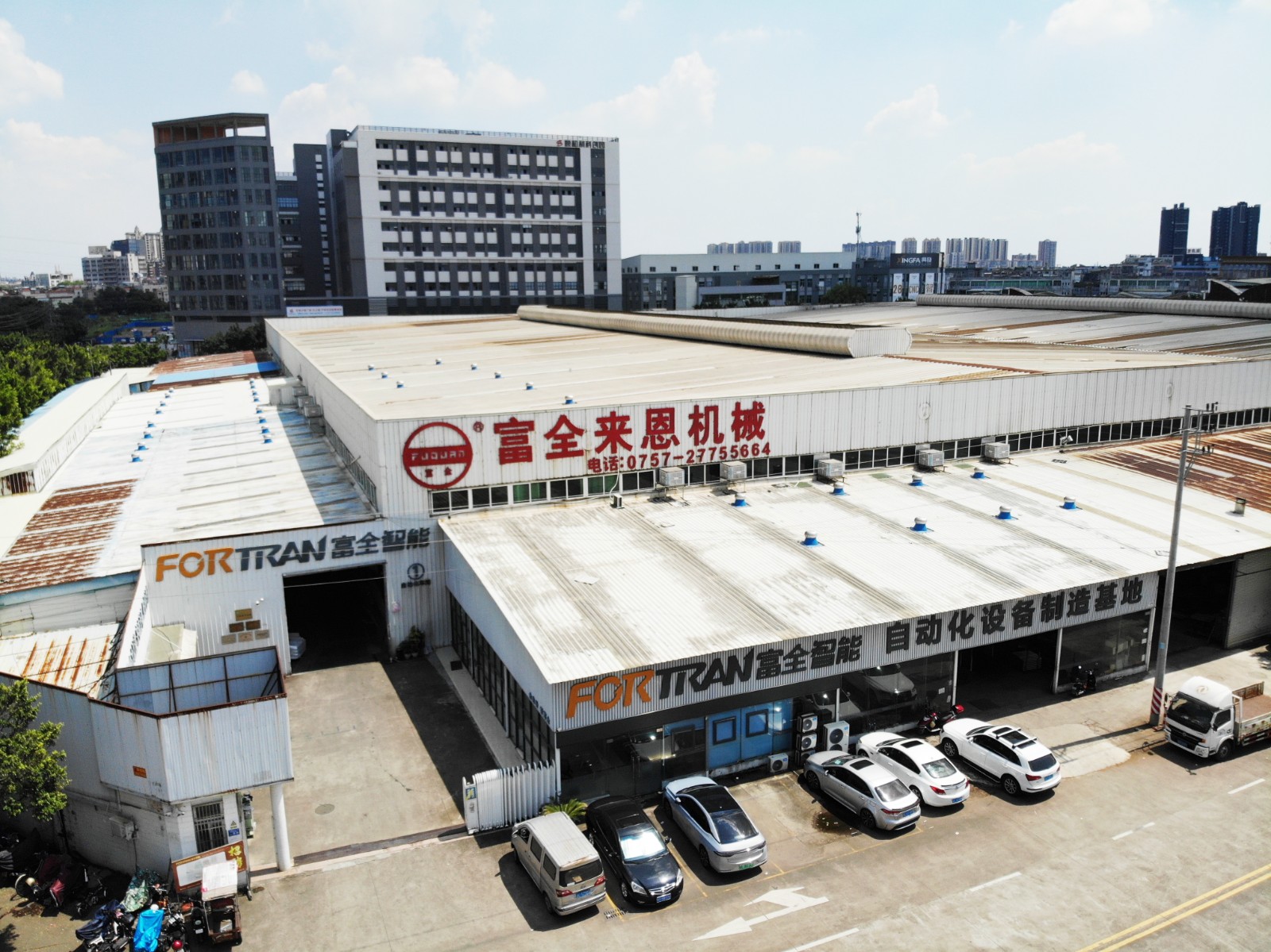
As a technology-driven company integrating mechanical structure design with advanced software development, Fortran Machinery is at the forefront of this transformation. By delivering customized automation solutions, Fortran Machinery helps factories move from labor-dependent production to high-efficiency intelligent manufacturing.
This article provides a practical comparison between manual production and automated systems, highlighting how automation can be applied to real factory scenarios.
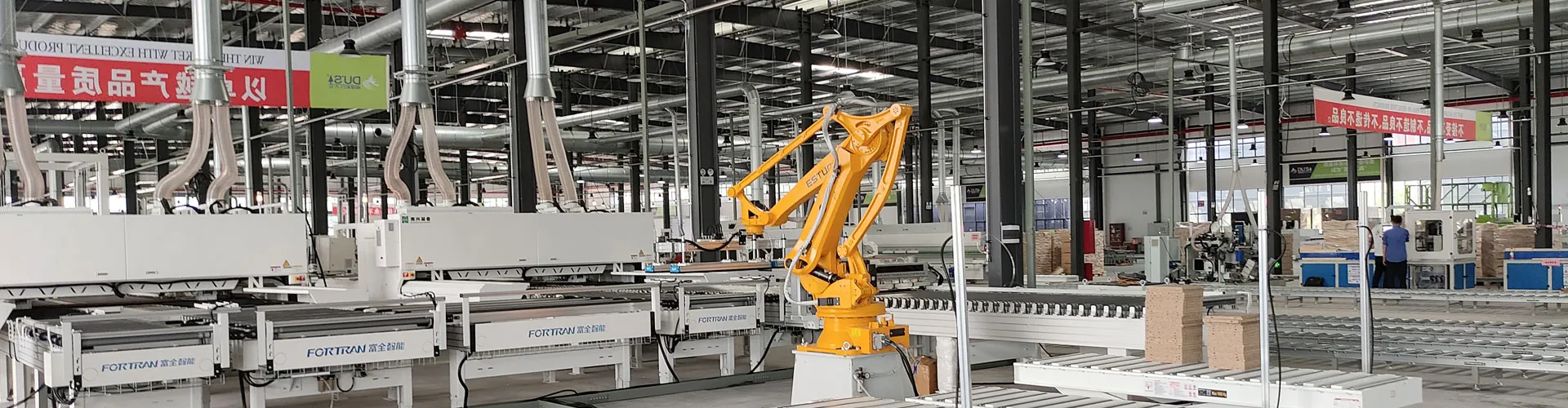
Manual Production vs Automated Production: A Clear Comparison
| Key Factors | Manual Production | Automated Production (Fortran Machinery) |
|---|---|---|
| Labor Dependency | High | Reduced by 50–80% |
| Production Speed | Inconsistent | Stable & High-Speed |
| Product Quality | Variable | Highly Consistent |
| Error Rate | Higher | Minimal |
| Scalability | Limited | Easily Expandable |
| Operating Cost | Increasing | Optimized Long-Term |
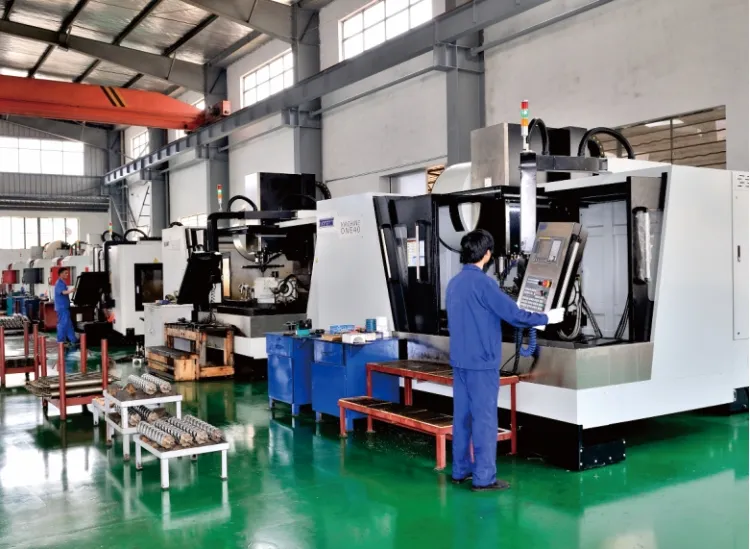
Traditional production relies heavily on skilled labor, making it vulnerable to workforce fluctuations and rising costs. In contrast, automation systems developed by Fortran Machinery ensure stable output and predictable performance.
Application Scenario 1: Panel Handling and Material Flow
In manual workshops, workers are responsible for loading, unloading, and transferring materials between machines. This process is not only labor-intensive but also prone to delays and damage.
With automated loading and unloading systems from Fortran Machinery, materials are transported seamlessly through conveyor lines and lifting systems. This reduces manual intervention and ensures consistent positioning, improving both speed and safety.
Result:
Faster material flow
Reduced labor requirements
Lower risk of product damage
Application Scenario 2: Packaging and End-of-Line Efficiency
Packaging is often the final bottleneck in production. Manual carton folding, sealing, and sorting slow down the entire workflow.
By implementing automated packaging solutions from Fortran Machinery, including carton forming, sealing, and conveying systems, factories can achieve synchronized end-of-line operations.
Result:
Increased packaging speed
Reduced workforce dependency
Improved packaging consistency
Application Scenario 3: Integrated Production Lines
One of the biggest challenges in manufacturing is the lack of coordination between different production stages.
Fortran Machinery solves this by designing fully integrated automation systems that connect every stage—from raw material handling to finished product packaging. By combining mechanical engineering with intelligent control software, these systems create a continuous and optimized production flow.
Result:
Improved production line balance
Reduced idle time
Enhanced overall efficiency
Why Automation is No Longer Optional
The shift toward automation is driven by several key factors:
Rising labor costs and workforce shortages
Increasing demand for product consistency
Need for faster delivery cycles
Growing complexity of customized orders
Manufacturers that continue to rely on manual processes risk falling behind in both cost competitiveness and production capability.
With solutions from Fortran Machinery, factories can transition smoothly into intelligent production without disrupting existing operations.
Frequently Asked Questions (FAQ)
Q1: Is automation suitable for small or medium-sized factories?
Yes. Fortran Machinery provides modular solutions that can be scaled according to production size.
Q2: How long does it take to see ROI?
Most clients achieve return on investment within 6–12 months due to labor savings and efficiency improvements.
Q3: Can automation systems integrate with existing equipment?
Absolutely. Solutions from Fortran Machinery are designed for seamless integration with current production lines.
Q4: Does automation require highly skilled operators?
No. Modern systems are user-friendly and require minimal training.
Call to Action
If your factory is facing rising costs, inconsistent production, or limited scalability, it’s time to consider automation.
Fortran Machinery offers customized solutions tailored to your production needs—from loading and unloading systems to complete automated production lines.
Visit www.fortrancn.com to learn more and request a free consultation.
Conclusion
The comparison between manual and automated production is no longer just theoretical—it is a real decision that impacts profitability and long-term growth.
By adopting intelligent automation solutions from Fortran Machinery, manufacturers can reduce labor costs, improve efficiency, and build a future-ready production system.
In an increasingly competitive market, automation is not just an upgrade—it is a strategic advantage.
