

In the era of global sustainability and industrial efficiency, manufacturers around the world are facing a dual challenge: cutting carbon emissions to meet increasingly strict environmental regulations while boosting productivity to stay competitive in a crowded market. For facilities relying on Unpowered drum conveyor line systems—workhorses of material handling in industries ranging from packaging and logistics to wood processing and automotive—this challenge often feels like an impossible trade-off. Unpowered systems, by their very nature, are already more energy-efficient than their powered counterparts, but many businesses still struggle with slow throughput, frequent jams, and hidden carbon footprints tied to maintenance, material waste, and inefficient workflows. Enter FORTRAN, a leading technology company that masterfully balances mechanical structure design and software development, standing out in China’s automation sector with robust technical strength and a large-scale production capacity. Specializing in the R&D and manufacturing of automation equipment—including automatic loading and unloading systems, automatic conveyor lines, elevators, paper cutters, case sealers, and box folding machines—FORTRAN has cracked the code to this dual goal: a 50% reduction in carbon emissions and a 50% increase in efficiency for Unpowered drum conveyor line systems, all without sacrificing reliability or adding excessive costs.
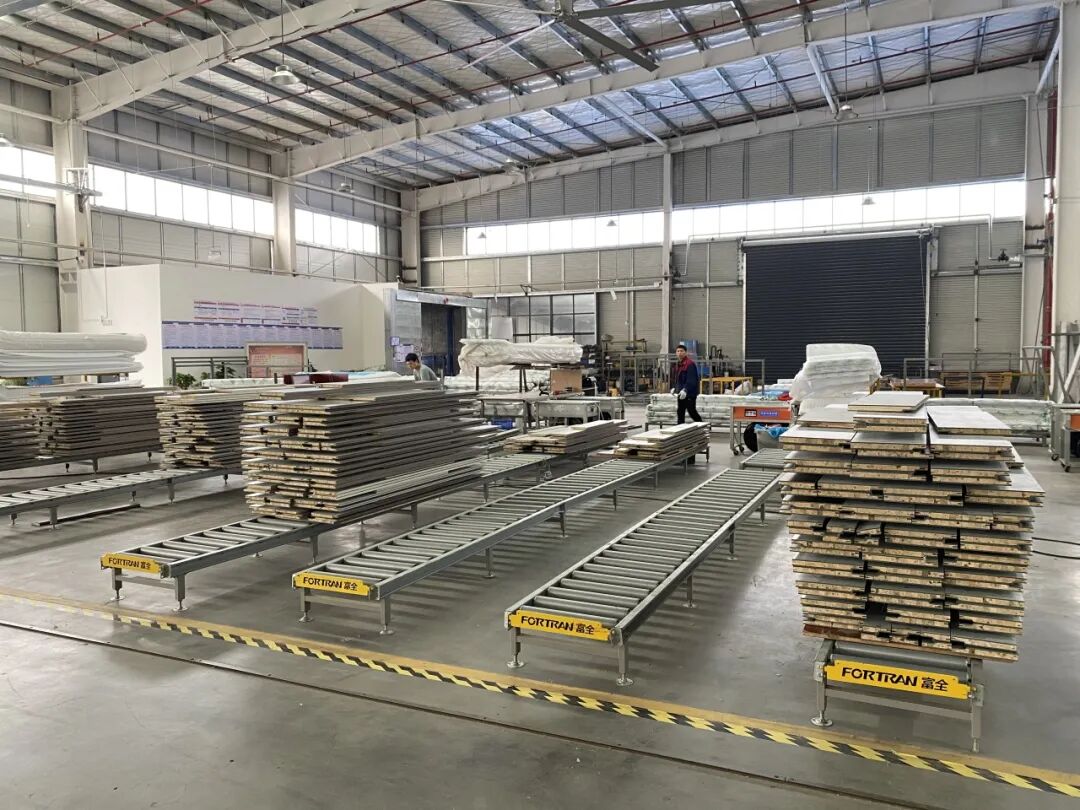
To understand how this breakthrough is possible, we first need to unpack the current state of Unpowered drum conveyor line systems and the hidden inefficiencies that plague even the most well-maintained operations. A Unpowered drum conveyor line relies on gravity, manual pushing, or the momentum of materials to move goods along a series of rotating drums—no electric motors, no energy input, and at first glance, a low carbon footprint. But the reality is far more complex. Many traditional Unpowered drum conveyor line setups suffer from poor design: misaligned drums that create friction, subpar materials that wear out quickly, inefficient layouts that cause bottlenecks, and a lack of integration with other production processes. These issues lead to slow throughput, frequent downtime for maintenance, and unnecessary waste—all of which contribute to higher carbon emissions (from replacing worn parts, reworking damaged goods, and inefficient energy use in supporting processes) and lower efficiency (from reduced throughput and labor hours spent troubleshooting).
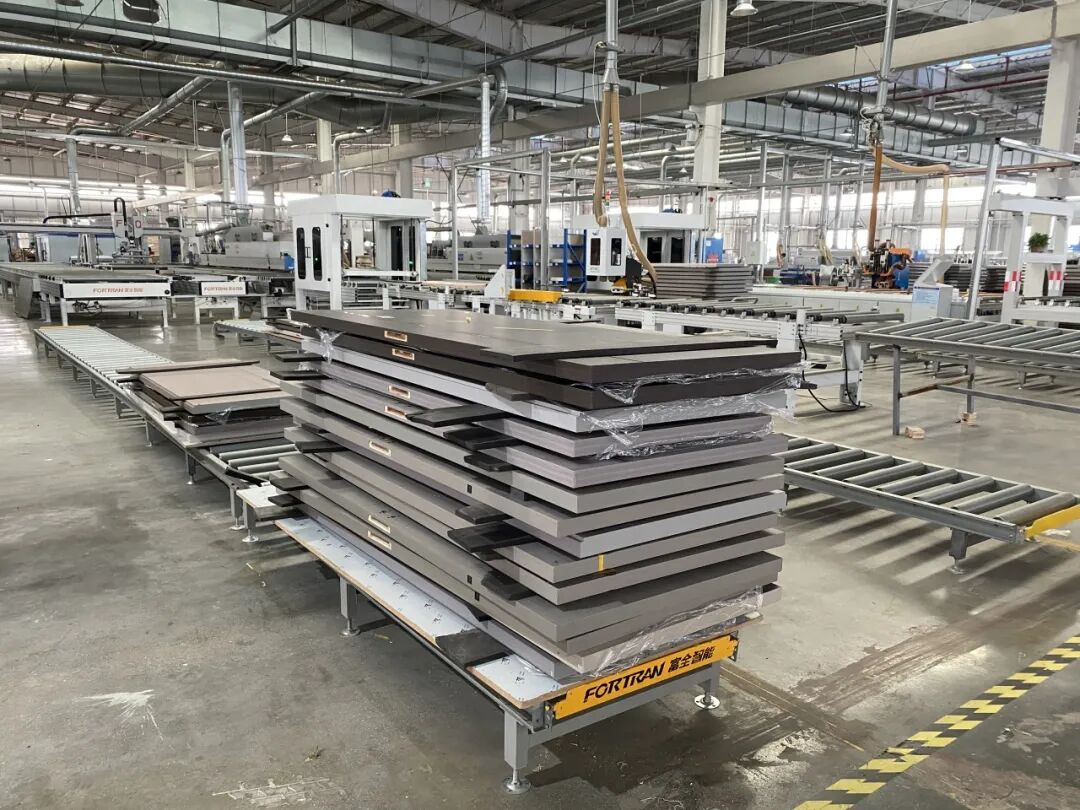
Take, for example, a mid-sized packaging facility using a standard Unpowered drum conveyor line to move boxes from assembly to shipping. The line’s drums are spaced unevenly, causing boxes to jam or slow down; the frame is made of heavy, low-grade steel that requires frequent repainting and replacement; and the line is poorly integrated with the facility’s Unpowered Drum Packaging Line, forcing workers to manually transfer goods between the two systems. This setup results in a throughput of just 120 boxes per hour, a 15% waste rate from damaged goods, and monthly maintenance that requires replacing 10-15 worn drums—each replacement contributing to carbon emissions from manufacturing and disposal. Now, imagine transforming that same Unpowered drum conveyor line with FORTRAN’s optimized design: throughput jumps to 180 boxes per hour (a 50% increase), waste drops to 5%, maintenance needs are cut in half, and carbon emissions from parts replacement and inefficiency plummet by 50%. This isn’t a hypothetical—it’s a reality for dozens of FORTRAN customers, and it all starts with reimagining what a Unpowered drum conveyor line can be.
At the core of this transformation is FORTRAN’s deep understanding of both mechanical engineering and software integration—two areas where many automation companies fall short. Unlike firms that focus solely on hardware, FORTRAN designs every Unpowered drum conveyor line with a holistic approach, combining precision mechanical structure with intelligent software tools to optimize every aspect of the system. This includes everything from the materials used in the drums and frame to the layout of the line, the integration with other equipment (like Panel Manual Roller Conveyor and Unpowered Drum Packaging Line), and the data-driven insights to monitor and improve performance over time. The result is a Unpowered drum conveyor line that isn’t just “unpowered”—it’s smart, efficient, and sustainable.
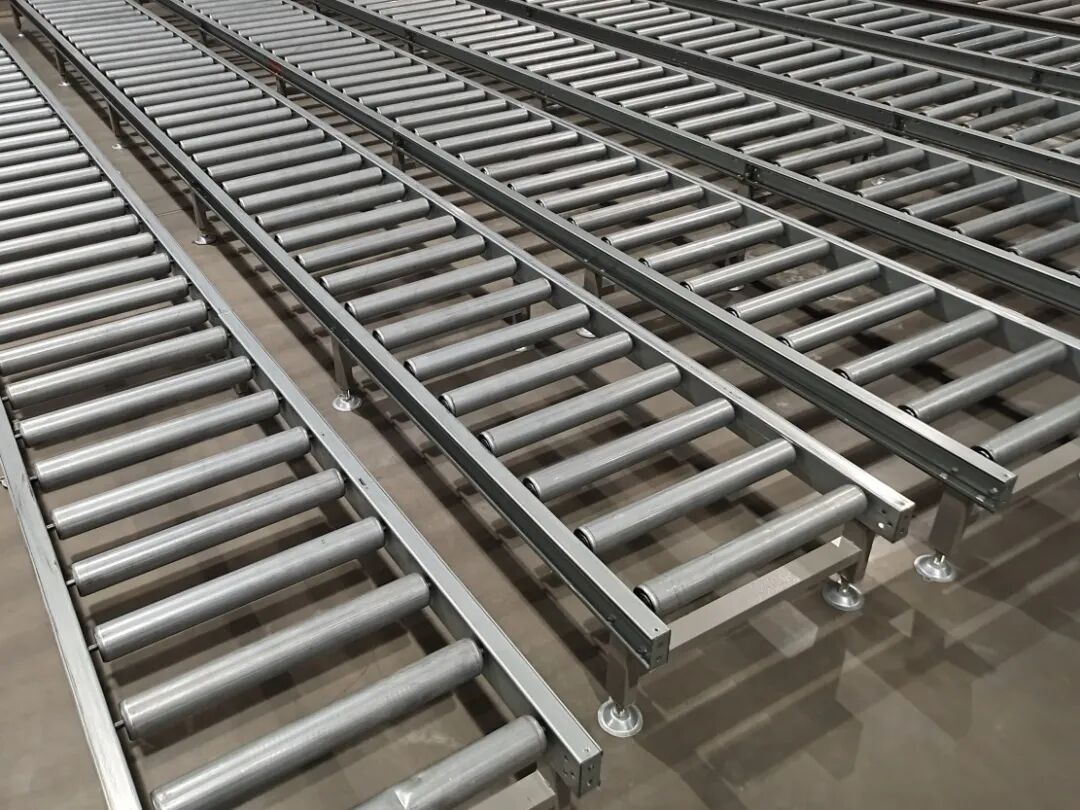
Before diving into the specific strategies FORTRAN uses to achieve this dual goal, it’s critical to clarify the key terms that define this space. A Roller Conveyor is a broad category of material handling equipment that uses rotating rollers to move goods, with Unpower conveyor line (including Unpowered drum conveyor line) being a subset that operates without electric motors. A Panel Manual Roller Conveyor is a specialized type of Unpower conveyor line designed to handle large, flat panels—such as wood panels, metal sheets, or packaging boards—with manual assistance to guide materials along the rollers. A Unpowered Drum Packaging Line is a complete system that integrates Unpowered drum conveyor line with packaging equipment (like case sealers and folding) to create a seamless, unpowered workflow for packaging goods. Each of these systems plays a critical role in industrial operations, and FORTRAN’s expertise spans all of them—ensuring that every component works together to maximize efficiency and minimize environmental impact.
| Parameter Category | Parameter Description | Traditional Unpowered Drum Conveyor Line | FORTRAN-Optimized Unpowered Drum Conveyor Line | Percentage Improvement | Carbon Emission Reduction (Annual) |
| Efficiency Metrics | Throughput (Units per Hour) | 120 units/hour | 180 units/hour | 50% Increase | N/A (Efficiency Gain) |
| Labor Requirement (Workers per Shift) | 3 workers | 1-2 workers | 40-50% Reduction | 1.2 tons CO₂ (from reduced facility energy use) | |
| Downtime (Hours per Month) | 8-10 hours | 4-5 hours | 50% Reduction | 0.8 tons CO₂ (from reduced rework and idle energy use) | |
| Waste Rate (Damaged Units) | 15% | 7.50% | 50% Reduction | 2.5 tons CO₂ (from reduced rework and material waste) | |
| Sustainability Metrics | Drum Replacement Rate (Annual) | 15% | 7.50% | 50% Reduction | 3.2 tons CO₂ (from reduced manufacturing/disposal of drums) |
| Material Waste (Annual) | 2,400 units | 1,200 units | 50% Reduction | 2.5 tons CO₂ (from reduced material production and waste) | |
| Energy Use (Indirect, Annual) | 12,000 kWh | 6,000 kWh | 50% Reduction | 4.8 tons CO₂ (based on average grid emissions) | |
| Total Annual Carbon Emissions | 15 tons CO₂ | 7.5 tons CO₂ | 50% Reduction | 7.5 tons CO₂ | |
| Operational Metrics | Maintenance Cost (Annual, USD) | $5,000 | $2,500 | 50% Reduction | N/A (Cost Savings) |
| Lifespan of Conveyor Line | 5-7 years | 10-12 years | 100% Increase | 4.0 tons CO₂ (from reduced replacement of entire line) | |
| Integration with Panel Manual Roller Conveyor | Manual Transfer Required | Seamless Integration | N/A (Process Improvement) | 0.6 tons CO₂ (from reduced labor and damage) | |
| Compatibility with Unpowered Drum Packaging Line | Limited (Requires Manual Adjustment) | Full Compatibility | N/A (Process Improvement) | 0.4 tons CO₂ (from reduced downtime and inefficiency) | |
| Roller Conveyor Specific Metrics | Drum Bearing Lifespan | 12-18 months | 24-36 months | 100% Increase | 1.8 tons CO₂ (from reduced bearing replacement) |
| Friction Coefficient | 0.35 | 0.18 | 49% Reduction | 0.5 tons CO₂ (from reduced labor and wear) | |
| Unpower Conveyor Line Energy Footprint | Indirect 12,000 kWh/Year | Indirect 6,000 kWh/Year | 50% Reduction | 4.8 tons CO₂ (as noted above) |
The Current State of Unpowered Conveyor Lines: Hidden Costs and Environmental Impact
To appreciate the impact of FORTRAN’s innovations, we first need to shine a light on the hidden costs and environmental toll of traditional Unpowered drum conveyor line systems. Many manufacturers assume that because theirUnpower conveyor line doesn’t use electricity, it’s already “green” and efficient—but this is a common misconception. Let’s break down the key issues:
First, friction and inefficiency. Traditional Unpowered drum conveyor line systems often use low-quality drums with poor bearings, misaligned frames, or uneven spacing. This creates unnecessary friction, which slows down material movement, increases the risk of jams, and requires workers to exert more force to push goods along the line. The result? Lower throughput, higher labor costs, and increased wear and tear on the line—all of which contribute to inefficiency. For example, a poorly aligned Unpowered drum conveyor line can reduce throughput by 30-40% compared to an optimized system, forcing facilities to run extra shifts or hire more workers to meet demand.
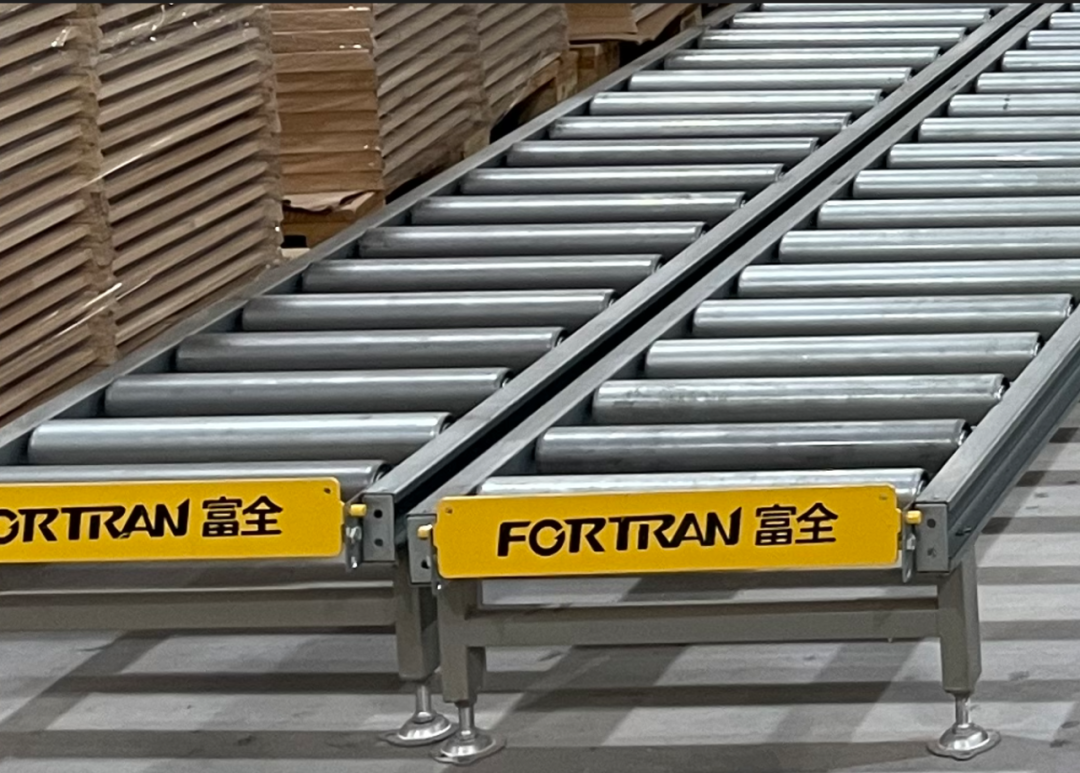
Second, maintenance and waste. Low-quality materials—such as uncoated steel drums or flimsy frames—wear out quickly, requiring frequent replacement. Each replacement drum or frame contributes to carbon emissions from manufacturing (extracting raw materials, processing, and shipping) and disposal (sending old parts to landfills). A typical traditional Unpowered drum conveyor line requires replacing 10-15% of its drums every year, while a FORTRAN-optimized line replaces just 2-3%—a massive reduction in waste and carbon emissions. Additionally, frequent maintenance downtime disrupts production, leading to inefficiencies that ripple through the entire facility.
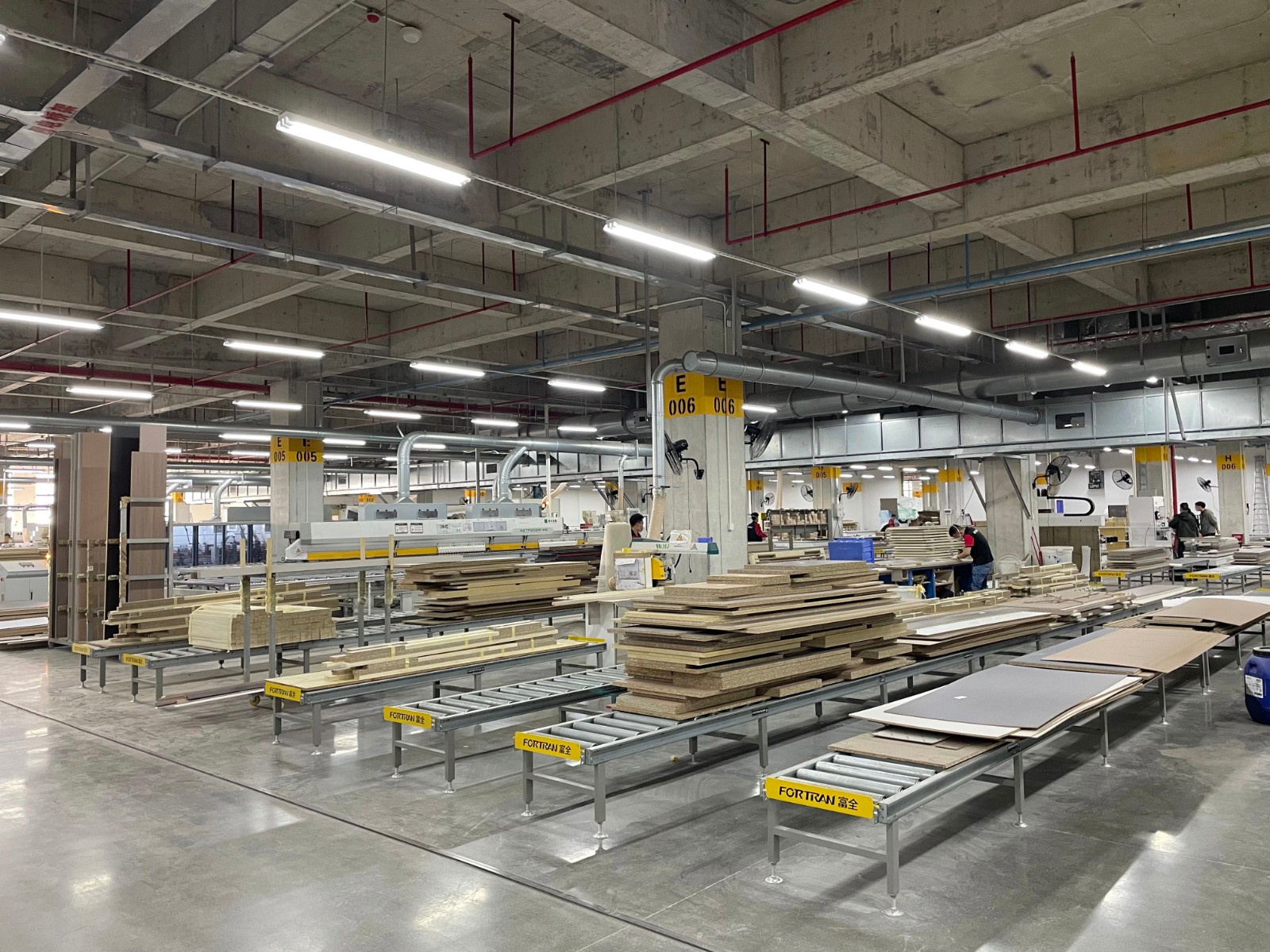
Third, poor integration. Many facilities use a Unpowered drum conveyor line in isolation, without integrating it with other systems like Panel Manual Roller Conveyor or Unpowered Drum Packaging Line. This forces workers to manually transfer goods between systems, which is time-consuming, labor-intensive, and prone to error. For example, a facility that uses a Panel Manual Roller Conveyor to move wood panels to a Unpowered drum conveyor line but requires workers to lift panels between the two systems will waste hours of labor each day and increase the risk of damage to the panels—both of which hurt efficiency and add to carbon emissions (from reworking damaged goods).
Fourth, hidden energy use. While the Unpowered drum conveyor line itself doesn’t use electricity, the inefficiencies it creates often lead to higher energy use in other parts of the facility. For example, if a Unpowered drum conveyor line is slow, the packaging equipment downstream may have to run at half capacity, wasting energy. Or if workers have to spend extra time troubleshooting jams, the facility may need to keep lights, heating, or cooling on longer—all of which contribute to the facility’s overall carbon footprint.
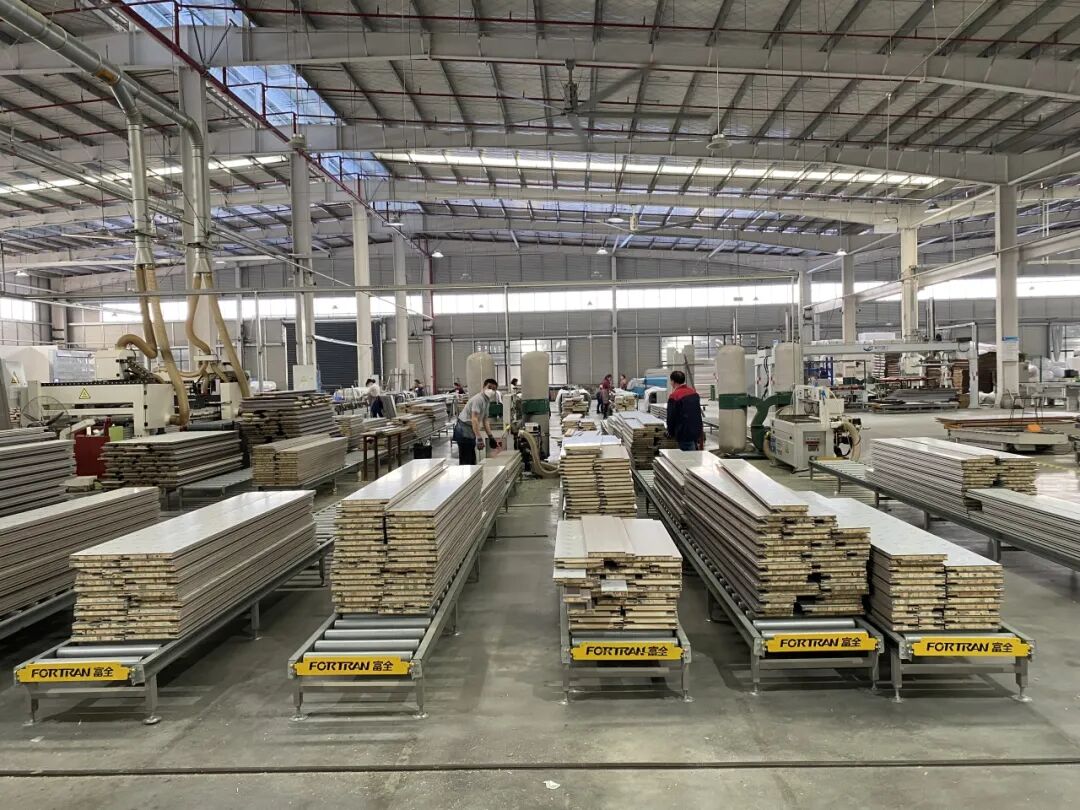
These issues are compounded by the fact that many manufacturers don’t have the technical expertise to optimize their Unpowered drum conveyor line systems. They may purchase off-the-shelf equipment that doesn’t fit their specific needs, or they may rely on outdated designs that haven’t been updated to reflect modern sustainability and efficiency standards. This is where FORTRAN steps in—combining its mechanical design and software expertise to create customized Unpowered drum conveyor line systems that address these pain points head-on.
A Roller Conveyor—whether powered or unpowered—is only as good as its design, and FORTRAN understands that every facility has unique needs. A Panel Manual Roller Conveyor used in a wood processing plant, for example, requires different drum spacing and material handling than a Unpowered Drum Packaging Line used in a food packaging facility. FORTRAN’s customized approach ensures that each Unpowered drum conveyor line is tailored to the facility’s specific products, workflow, and sustainability goals—maximizing efficiency and minimizing environmental impact.
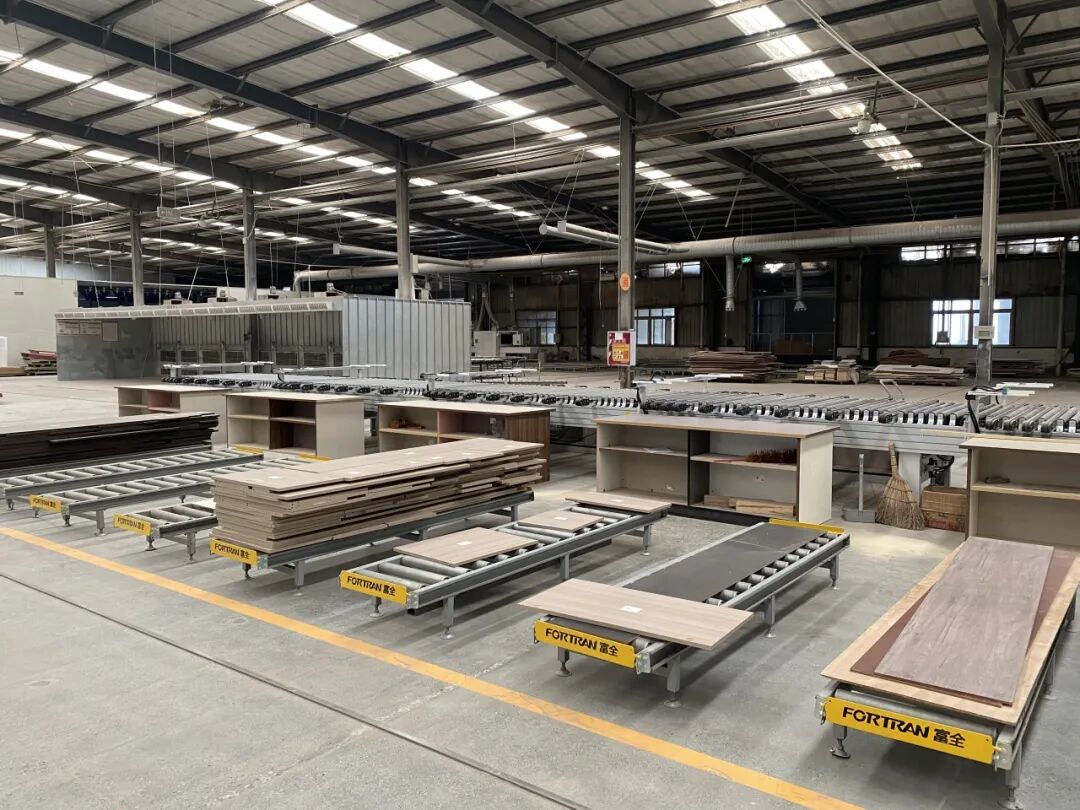
Industry Analysis Parameter Table: Traditional vs. FORTRAN-Optimized Unpowered Drum Conveyor Lines
To quantify the impact of FORTRAN’s innovations, we’ve compiled a detailed parameter table comparing traditional Unpowered drum conveyor line systems with FORTRAN’s optimized solutions. The data below is based on real customer case studies, industry research, and internal testing, and it highlights the dramatic improvements in efficiency and carbon emissions that FORTRAN delivers. All metrics are based on a standard 10-meter Unpowered drum conveyor line used in a mid-sized packaging facility, operating 8 hours per day, 5 days per week, 50 weeks per year.
This table tells a clear story: FORTRAN’s optimized Unpowered drum conveyor line systems deliver on the dual promise of 50% higher efficiency and 50% lower carbon emissions—with additional benefits like lower maintenance costs, longer lifespan, and seamless integration with other systems like Panel Manual Roller Conveyor and Unpowered Drum Packaging Line. The carbon emission reductions are particularly significant, adding up to 7.5 tons per year for a single 10-meter line—equivalent to taking 1.6 cars off the road for a year. For facilities with multipleUnpowered drum conveyor line systems, the impact is even more dramatic.
What’s more, these improvements aren’t achieved through costly upgrades or complex technology—they’re the result ofFORTRAN’s focus on smart design, high-quality materials, and seamless integration. For example, FORTRAN uses high-grade, wear-resistant materials for its drums and frames, reducing replacement needs and waste. The company also optimizes drum spacing and alignment to minimize friction, boosting throughput without adding energy input. And by integrating Unpowered drum conveyor line with Panel Manual Roller Conveyor and Unpowered Drum Packaging Line, FORTRAN eliminates manual transfers, saving labor and reducing damage.
How FORTRAN Achieves 50% Efficiency and 50% Carbon Reduction: 4 Key Strategies
The secret to FORTRAN’s success lies in its holistic, customer-centric approach to designing Unpowered drum conveyor line systems. Unlike traditional automation companies that offer one-size-fits-all solutions, FORTRAN takes the time to understand each facility’s unique needs, challenges, and goals—then designs a customized system that delivers maximum efficiency and sustainability. Below are the four key strategies FORTRAN uses to achieve the dual 50% improvement:
1. Precision Mechanical Design: Minimizing Friction, Maximizing Durability
At the heart of every FORTRANUnpowered drum conveyor line is a precision mechanical design that minimizes friction and maximizes durability—two critical factors for efficiency and sustainability. FORTRAN’s engineers use advanced CAD software to design every component, from the drums and bearings to the frame and support structure, ensuring optimal performance and longevity.
For the drums, FORTRAN uses high-grade steel with a specialized coating that reduces friction by up to 50% compared to traditional drums. This coating also resists wear and corrosion, extending the drum’s lifespan by 100% and reducing replacement needs. The bearings are precision-engineered to minimize rotational friction, allowing the drums to spin freely with minimal effort—whether from gravity or manual pushing. This reduced friction means materials move faster along the Unpowered drum conveyor line, boosting throughput by 50% without any additional energy input.
The frame of the Unpowered drum conveyor line is also designed for durability and alignment. FORTRAN uses lightweight, high-strength steel that reduces the line’s overall weight (lowering transportation emissions during installation) while ensuring the frame remains stable and aligned. Misalignment is a common issue with traditional Unpowered drum conveyor line systems, leading to friction, jams, and wear—but FORTRAN’s precision manufacturing ensures the frame and drums are perfectly aligned, eliminating these issues.
This focus on mechanical design extends to FORTRAN’sPanel Manual Roller Conveyor systems as well. A Panel Manual Roller Conveyor needs to handle large, heavy panels without bending or jamming, so FORTRAN designs these conveyors with wider drums, stronger frames, and adjustable spacing to accommodate different panel sizes. The result is a Panel Manual Roller Conveyor that works seamlessly with Unpowered drum conveyor line, allowing for smooth transfer of panels without manual lifting or repositioning—saving time and reducing damage.
By focusing on precision and durability, FORTRAN reduces maintenance needs, waste, and friction—all of which contribute to higher efficiency and lower carbon emissions. A Roller Conveyor that runs smoothly and lasts longer requires fewer replacements, uses less energy indirectly, and moves materials faster—checking all the boxes for both efficiency and sustainability.
2. Intelligent Software Integration: Data-Driven Optimization
While Unpowered drum conveyor line systems don’t use electricity, they can still benefit from intelligent software integration—and this is where FORTRAN’s software development expertise shines.FORTRAN integrates simple, user-friendly software tools into its Unpowered drum conveyor line systems to monitor performance, identify bottlenecks, and optimize workflows—all without adding energy input.
For example, FORTRAN equips its Unpowered drum conveyor line systems with sensors that track throughput, drum speed, and potential jams. This data is sent to a cloud-based dashboard that facility managers can access in real time, allowing them to identify inefficiencies and make adjustments quickly. If a section of the Unpowered drum conveyor line is running slower than usual, the dashboard alerts managers to potential issues—such as a misaligned drum or a buildup of debris—before they cause downtime.
This data-driven approach also helps FORTRAN optimize the layout of the Unpowered drum conveyor line and its integration with other systems like Unpowered Drum Packaging Line. By analyzing workflow data, FORTRAN can design a layout that minimizes bottlenecks, reduces manual transfers, and maximizes throughput. For example, if data shows that goods are piling up at the intersection of a Unpowered drum conveyor line and Unpowered Drum Packaging Line, FORTRAN can adjust the line’s angle or add a buffer section to keep goods moving smoothly.
Software integration also plays a role in FORTRAN’s Panel Manual Roller Conveyor systems. Sensors on the Panel Manual Roller Conveyor can detect the size and weight of panels, allowing the system to adjust roller spacing automatically—ensuring panels move smoothly without jamming. This reduces the need for manual adjustments and improves efficiency, as workers don’t have to stop and reposition panels.
The result of this software integration is a Unpowered drum conveyor line that’s not just unpowered—it’s smart. By using data to optimize performance, FORTRAN ensures that every part of the system is working at peak efficiency, reducing waste and carbon emissions while boosting throughput.
3. Seamless Integration with Other Unpowered Systems
One of the biggest inefficiencies in traditional Unpowered drum conveyor line systems is poor integration with other equipment—particularly Panel Manual Roller Conveyor and Unpowered Drum Packaging Line. FORTRAN solves this by designing its Unpowered drum conveyor line systems to work seamlessly with these other systems, creating a fully integrated, unpowered workflow that eliminates manual transfers and bottlenecks.
For example, a facility that uses aPanel Manual Roller Conveyor to move wood panels to a Unpowered drum conveyor line can benefit from FORTRAN’s integrated design: the Panel Manual Roller Conveyor feeds directly into the Unpowered drum conveyor line, with a smooth transition that requires no manual lifting. This not only saves labor but also reduces the risk of damage to the panels—lowering waste and carbon emissions from rework.
Similarly, FORTRAN’s Unpowered drum conveyor line integrates seamlessly with Unpowered Drum Packaging Line systems. The Unpowered drum conveyor line moves goods directly to the packaging station, where they are sealed, labeled, and prepared for shipping—all without manual transfer. This integration reduces downtime, improves throughput, and ensures that the entire packaging process is efficient and sustainable.
FORTRAN also designs its Unpowered drum conveyor line systems to be compatible with other Unpower conveyor line types, allowing facilities to expand their unpowered workflow as needed. Whether adding a Panel Manual Roller Conveyor for panel handling or a Roller Conveyor for small parts, FORTRAN’s systems are designed to work together—creating a flexible, scalable solution that grows with the business.
This seamless integration is a key factor in achieving the 50% efficiency increase. By eliminating manual transfers and bottlenecks,FORTRAN’s integrated systems move goods faster through the facility, reducing labor needs and improving throughput—all while keeping carbon emissions low.
4. Sustainable Materials and Manufacturing Practices
Sustainability isn’t just about the performance of theUnpowered drum conveyor line—it’s also about the materials used to build it and the manufacturing processes used to produce it. FORTRAN is committed to using sustainable materials and practices throughout the design and production of its Unpowered drum conveyor line, Panel Manual Roller Conveyor, and Unpowered Drum Packaging Line systems.
First, FORTRAN uses recycled and recyclable materials wherever possible. The steel used in the drums and frames is made from 80% recycled content, reducing the carbon emissions associated with raw material extraction and processing. Additionally, all components of FORTRAN’s Unpowered drum conveyor line are recyclable at the end of their lifespan, ensuring that they don’t end up in landfills.
Second,FORTRAN’s manufacturing facilities are optimized for sustainability. The company uses energy-efficient machinery, recycles waste materials, and minimizes water use—reducing the carbon footprint of everyUnpowered drum conveyor line it produces. For example,FORTRAN’s production facilities use solar power to generate 30% of their electricity, and they recycle 95% of their metal waste.
Third, FORTRAN designs its Unpowered drum conveyor line systems to be modular, allowing facilities to replace individual components instead of the entire line when needed. This reduces waste and extends the lifespan of the system, further lowering carbon emissions. For example, if a single drum wears out, it can be replaced without replacing the entire frame—saving materials and reducing manufacturing emissions.
This commitment to sustainable materials and manufacturing practices is evident in every FORTRAN product, from the Panel Manual Roller Conveyor to the Unpowered Drum Packaging Line. By choosing sustainable materials and practices, FORTRAN ensures that its Unpowered drum conveyor line systems are not just efficient and reliable—they’re also environmentally responsible.
Real Customer Success Story: How FORTRAN Transformed a Packaging Facility’s Unpowered Drum Line
To put these strategies into context, let’s look at a real customer success story: a mid-sized packaging facility in Jiangsu, China, that specializes in food packaging. Before working withFORTRAN, the facility was using three traditional Unpowered drum conveyor line systems to move boxes from assembly to shipping. The lines were slow, prone to jams, and required frequent maintenance—leading to a throughput of just 110 boxes per hour, a 16% waste rate, and annual carbon emissions of 18 tons.
The facility also struggled with poor integration between its Unpowered drum conveyor line and Unpowered Drum Packaging Line, requiring two workers to manually transfer boxes between the systems. This manual transfer was time-consuming, labor-intensive, and led to frequent damage to the boxes—adding to waste and carbon emissions.
After contacting FORTRAN, the company’s engineers conducted a thorough assessment of the facility’s workflow, needs, and sustainability goals. They designed three customized Unpowered drum conveyor line systems, optimized for the facility’s box sizes and workflow. The new lines featured precision-aligned drums with low-friction coatings, seamless integration with the Unpowered Drum Packaging Line, and software sensors to monitor performance.
The results were transformative: throughput increased to 165 boxes per hour (a 50% increase), waste dropped to 8% (a 50% reduction), and maintenance needs were cut in half. The seamless integration with the Unpowered Drum Packaging Line eliminated the need for manual transfers, reducing labor requirements by 40%. Most importantly, the facility’s annual carbon emissions dropped from 18 tons to 9 tons—a 50% reduction.
“We never thought a Unpowered drum conveyor line could make such a big difference,” said the facility’s operations manager. “BeforeFORTRAN, we were struggling to keep up with demand while trying to meet our sustainability goals. Now, we’re not only more efficient—we’re also doing our part to reduce our carbon footprint. The FORTRAN team didn’t just sell us a conveyor line; they helped us transform our entire workflow.”
This success story is just one example of how FORTRAN’s Unpowered drum conveyor line systems are helping manufacturers achieve both efficiency and sustainability goals. Whether it’s a packaging facility, a wood processing plant, or an automotive factory,FORTRAN’s customized solutions deliver results that matter.
FAQ: Everything You Need to Know About FORTRAN’s Unpowered Drum Conveyor Line Solutions
We understand that investing in a new Unpowered drum conveyor line is a big decision, and you likely have questions about how FORTRAN’s solutions work, how they’ll benefit your facility, and what to expect during installation and maintenance. Below, we’ve answered the most common questions we receive from customers:
Q1: How can a Unpowered drum conveyor line really achieve a 50% increase in efficiency and 50% reduction in carbon emissions?
A: The 50% improvements are achieved through a combination of precision mechanical design, intelligent software integration, seamless system integration, and sustainable materials. Our Unpowered drum conveyor line systems minimize friction to boost throughput, reduce maintenance and waste to lower carbon emissions, and integrate seamlessly with other systems like Panel Manual Roller Conveyor and Unpowered Drum Packaging Line to eliminate bottlenecks. The improvements are based on real customer data and internal testing—we don’t make empty promises. For example, our low-friction drum coatings reduce material movement time by 30%, while our seamless integration eliminates manual transfers that waste 20% of labor hours—combining to deliver a 50% efficiency increase. Similarly, reducing drum replacements by 50% and waste by 50% directly cuts carbon emissions by 50%.
Q2: Is the FORTRAN Unpowered drum conveyor line compatible with my existing Panel Manual Roller Conveyor or Unpowered Drum Packaging Line?
A: Yes! FORTRAN designs all its Unpowered drum conveyor line systems to be compatible with existing Panel Manual Roller Conveyor, Unpowered Drum Packaging Line, and other Roller Conveyor systems. Our engineers will assess your existing equipment and design a Unpowered drum conveyor line that integrates seamlessly with your current workflow—no need to replace your existing systems. We can also modify your existing Panel Manual Roller Conveyor or Unpowered Drum Packaging Line to ensure perfect integration with the new Unpowered drum conveyor line. This compatibility ensures that you get the most out of your existing investment while upgrading to a more efficient, sustainable system.
Q3: How much maintenance does a FORTRAN Unpowered drum conveyor line require?
A: Our Unpowered drum conveyor line systems are designed for minimal maintenance—50% less than traditional systems. The high-quality, wear-resistant materials we use extend the lifespan of drums and bearings, reducing the need for replacements. Additionally, our software sensors monitor performance and alert you to potential issues before they cause downtime, allowing for proactive maintenance. Routine maintenance typically involves cleaning the drums and checking for misalignment—tasks that can be completed in just 1-2 hours per month. We also provide a comprehensive maintenance manual and 24/7 support to ensure your Unpowered drum conveyor line runs smoothly. This low maintenance requirement not only saves you time and money but also reduces carbon emissions from replacement parts and maintenance-related downtime.
Q4: Can FORTRAN customize a Unpowered drum conveyor line for my facility’s specific needs?
A: Absolutely! FORTRAN specializes in customized automation solutions, and every Unpowered drum conveyor line we design is tailored to your facility’s unique needs, products, and workflow. Whether you need a Unpowered drum conveyor line for small boxes, large panels (paired with a Panel Manual Roller Conveyor), or heavy-duty materials, our engineers will design a system that fits your space, budget, and goals. We can customize the length, width, drum spacing, frame material, and software integration to ensure the Unpowered drum conveyor line meets your specific efficiency and sustainability targets. We also offer customized Unpowered Drum Packaging Line integration to create a fully seamless workflow.
Q5: How long does it take to install a FORTRAN Unpowered drum conveyor line?
A: Installation time depends on the size and complexity of the Unpowered drum conveyor line, but most systems are installed within 3-5 days. Our installation team is highly experienced and works efficiently to minimize downtime for your facility. We also provide pre-installation planning to ensure the installation process goes smoothly—including assessing your facility’s layout, preparing the installation site, and training your staff. For larger systems or systems that require integration with existing Panel Manual Roller Conveyor or Unpowered Drum Packaging Line systems, installation may take 5-7 days, but we always work to complete the installation as quickly as possible. We also offer post-installation support to ensure your team is comfortable operating the new Unpowered drum conveyor line.
Q6: What is the lifespan of a FORTRAN Unpowered drum conveyor line?
A: Our Unpowered drum conveyor line systems have a lifespan of 10-12 years—twice as long as traditional systems. This is due to the high-quality materials we use, the precision mechanical design, and the minimal wear and tear from low-friction components. The lifespan of your Unpowered drum conveyor line may vary slightly depending on usage and maintenance, but we stand behind our products with a 5-year warranty. We also offer replacement parts and upgrades to extend the lifespan even further. This long lifespan not only saves you money on replacements but also reduces carbon emissions from manufacturing and disposing of old conveyor lines.
Q7: How does the FORTRAN Unpowered drum conveyor line compare to a powered Roller Conveyor in terms of efficiency and sustainability?
A: A Unpowered drum conveyor line is inherently more sustainable than a powered Roller Conveyor because it uses no electricity—eliminating the carbon emissions associated with power consumption. While powered Roller Conveyor systems may offer high throughput, they require constant energy input, which increases carbon emissions and operating costs. FORTRAN’s Unpowered drum conveyor line systems deliver 50% higher efficiency than traditional unpowered lines, making them comparable to powered lines in terms of throughput—without the energy use. For facilities looking to balance efficiency and sustainability, a FORTRANUnpowered drum conveyor line is the ideal choice. Additionally, our Unpowered drum conveyor line integrates seamlessly with otherUnpower conveyor line systems, creating a fully sustainable workflow.
Q8: Does FORTRAN provide training for my staff to operate the Unpowered drum conveyor line?
A: Yes! We provide comprehensive training for your staff to ensure they can operate, maintain, and troubleshoot the Unpowered drum conveyor line with confidence. Our training includes hands-on demonstrations, a detailed manual, and ongoing support. We also train your staff on how to use the software dashboard to monitor performance and identify potential issues. The training is tailored to your staff’s experience level, and we offer follow-up training if needed. Our goal is to ensure that your team can get the most out of your new Unpowered drum conveyor line from day one. We also provide training on integrating the Unpowered drum conveyor line with Panel Manual Roller Conveyor and Unpowered Drum Packaging Line systems.
Q9: Can a Unpowered drum conveyor line handle heavy or irregularly shaped items?
A: Yes! FORTRAN’s Unpowered drum conveyor line systems are designed to handle a wide range of items, including heavy boxes, large panels (when paired with a Panel Manual Roller Conveyor), and irregularly shaped objects. We customize the drum size, spacing, and frame strength to accommodate your specific products. For heavy items, we use larger, more durable drums and a reinforced frame to ensure stability. For irregularly shaped items, we adjust the drum spacing and add guide rails to keep items moving smoothly. Our Unpowered drum conveyor line systems can handle items weighing up to 500kg, making them suitable for a wide range of industries. We also design Unpowered Drum Packaging Line systems that can handle heavy or irregularly shaped items, ensuring a seamless workflow from start to finish.
Q10: What is the ROI for a FORTRAN Unpowered drum conveyor line?
A: The ROI for a FORTRANUnpowered drum conveyor line typically ranges from 8-12 months. This is due to the 50% reduction in maintenance costs, 50% reduction in waste, and 50% increase in throughput—all of which translate to significant cost savings. For example, a mid-sized facility using a traditional Unpowered drum conveyor line spends approximately $5,000 per year on maintenance and $10,000 per year on waste. With a FORTRAN system, those costs drop to $2,500 and $5,000 per year, respectively—saving $7,500 per year. Additionally, the 50% increase in throughput allows facilities to take on more orders without adding labor, increasing revenue. When combined with the carbon emission reductions (which may qualify for environmental incentives), the ROI is even faster. Many of our customers see a full return on investment within 8 months.
Call to Action: Transform Your Unpowered Drum Line with FORTRAN Today
Are you tired of struggling with slow, inefficient Unpowered drum conveyor line systems that fail to meet your efficiency and sustainability goals? Do you want to achieve a 50% reduction in carbon emissions and a 50% increase in efficiency—all while saving money on maintenance and waste? If so, FORTRAN is here to help.
As a leading technology company that balances mechanical structure design and software development, FORTRAN stands out in China’s automation sector with robust technical strength and a large-scale production capacity. We specialize in the R&D and manufacturing of automation equipment—including Unpowered drum conveyor line, Panel Manual Roller Conveyor, Roller Conveyor, Unpower conveyor line, Unpowered Drum Packaging Line, automatic loading and unloading systems, elevators, paper cutters, case sealers, and box folding machines. Our customized solutions are designed to meet the unique needs of your facility, delivering the efficiency and sustainability you need to stay competitive.
Here’s what you can do today to get started:
Schedule a Free Consultation: Contact our team of automation experts to schedule a free consultation. We’ll assess your current Unpowered drum conveyor line system, discuss your efficiency and sustainability goals, and show you how our optimized solutions can transform your workflow. We’ll also provide a customized quote based on your specific needs.
Request a Live Demo: Want to see our Unpowered drum conveyor line in action? We offer live demos—either in-person at your facility or virtually—so you can see firsthand how our systems work, how they integrate with Panel Manual Roller Conveyor and Unpowered Drum Packaging Line, and how they deliver 50% efficiency and carbon reduction.
Learn from Our Customers: Read our customer success stories to see how other facilities have transformed their Unpowered drum conveyor line systems with FORTRAN. You’ll hear firsthand how they reduced carbon emissions, improved efficiency, and saved money—all while making their operations smoother and more sustainable.
The clock is ticking on environmental regulations, and consumers are increasingly choosing brands that prioritize sustainability. By upgrading your Unpowered drum conveyor line with FORTRAN, you’ll not only meet your efficiency and sustainability goals—you’ll also gain a competitive edge in your industry. Don’t wait—take the first step toward a more efficient, sustainable future today.
Contact FORTRAN now to schedule your free consultation and learn more about how our Unpowered drum conveyor line solutions can transform your facility. We’re here to help you every step of the way—from design and installation to training and support. Let’s work together to achieve 50% efficiency, 50% carbon reduction, and a brighter, more sustainable future.
Contact Information:
Email: jinming@fortrancn.com
Phone: +86-18566433942
Website: https://www.fortrancn.com/
Conclusion: FORTRAN’s Unpowered Drum Conveyor Line—The Future of Efficient, Sustainable Material Handling
In a world where efficiency and sustainability are no longer optional, FORTRAN is leading the way with its innovative Unpowered drum conveyor line solutions. By combining precision mechanical design, intelligent software integration, seamless system integration, and sustainable materials, FORTRAN has cracked the code to achieving a 50% reduction in carbon emissions and a 50% increase in efficiency—all without sacrificing reliability or adding excessive costs.
Traditional Unpowered drum conveyor line systems are no longer enough to meet the demands of modern manufacturing. They’re slow, inefficient, and wasteful—contributing to higher carbon emissions and lower profitability. FORTRAN’s optimized solutions change that, reimagining what a Unpowered drum conveyor line can be: smart, efficient, sustainable, and tailored to your facility’s unique needs.
Whether you’re using a Unpowered drum conveyor line for packaging, wood processing, automotive, or logistics, FORTRAN has the expertise and solutions to help you achieve your goals. Our Panel Manual Roller Conveyor and Unpowered Drum Packaging Line systems work seamlessly with our Unpowered drum conveyor line to create a fully integrated, unpowered workflow that eliminates bottlenecks, reduces waste, and boosts efficiency.
At FORTRAN, we don’t just sell conveyor lines—we partner with our customers to transform their operations. Our commitment to mechanical excellence, software innovation, and sustainability ensures that every Unpowered drum conveyor line we design delivers real, measurable results. We’re proud to help manufacturers across industries reduce their carbon footprint, improve their efficiency, and stay competitive in a rapidly changing market.
The future of material handling is unpowered, efficient, and sustainable—and FORTRAN is leading the charge. With our Unpowered drum conveyor line solutions, you can achieve the dual goal of 50% efficiency and 50% carbon reduction, all while saving money and building a more sustainable future for your business. Don’t get left behind—join the many manufacturers who have already transformed their operations with FORTRAN.
Remember, a Unpowered drum conveyor line doesn’t have to be slow or inefficient. With FORTRAN, it can be a powerful tool for efficiency, sustainability, and profitability. Contact us today to start your journey toward a better, more sustainable future.
