

Introduction
In an era where sustainability and efficiency define industrial competitiveness, the global woodworking sector faces mounting pressure to reduce waste, comply with stringent environmental regulations, and optimize resource utilization. Enter FORTRAN—a technology leader renowned for blending mechanical structure design with cutting-edge software development. With the launch of its next-generation eco-friendly edge banding scrap racks, the company addresses a critical industry challenge: transforming waste into worth. Designed to integrate seamlessly into automated production environments, these racks combine modular intelligence with green engineering, enabling woodworking businesses to achieve unprecedented material savings while advancing their sustainability agendas.
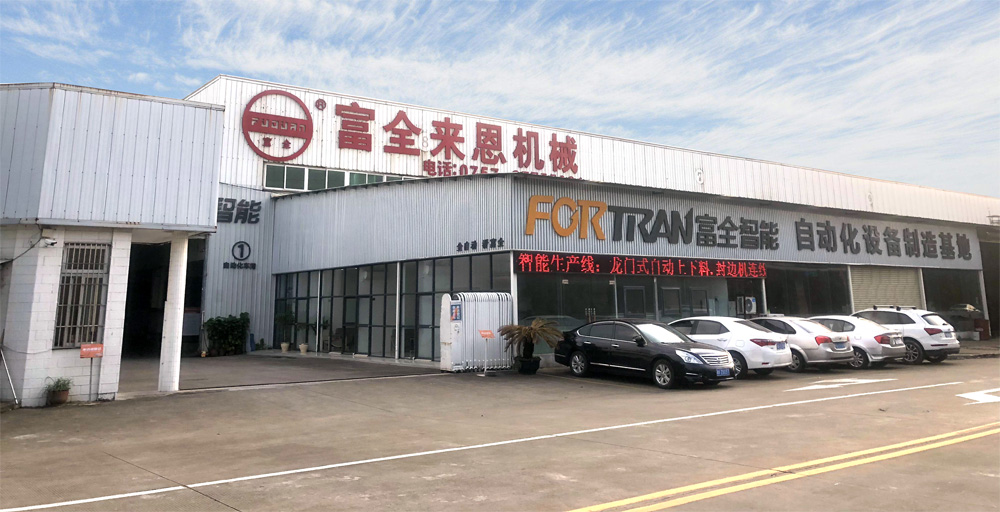
The Sustainability Imperative in Woodworking
The global edge banding products market is projected to grow at a compound annual growth rate (CAGR) of 10.01% from 2026 to 2033, fueled by rising demand from furniture, cabinetry, and construction sectors. However, this growth comes with heightened scrutiny on environmental impact. Traditional scrap storage often leads to disorganized accumulation, high material degradation, and inefficient reuse—resulting in significant financial and ecological costs. Regulatory frameworks such as the EU’s Green Deal and carbon border adjustment mechanisms (CBAM) further compel manufacturers to adopt circular economy practices. FORTRAN’s response is not just a product but a holistic solution: a sustainable woodworking equipment line that turns scrap management from a liability into a strategic asset.
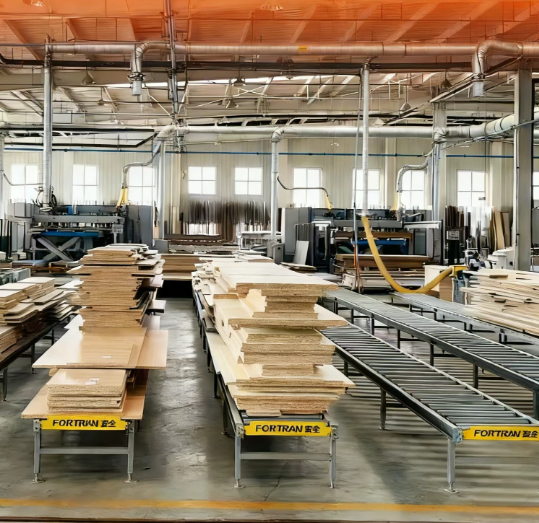
FORTRAN: Where Mechanical Ingenuity Meets Digital Intelligence
As a dominant force in domestic automation, FORTRAN has built its reputation on robust engineering and tailored software solutions. The company’s portfolio—spanning automatic loaders, conveyor systems, elevators, and precision cutters—reflects a deep understanding of industrial pain points. What sets FORTRAN apart is its ability to customize automation workflows, ensuring clients maximize productivity while minimizing operational costs. This dual competence in hardware and software forms the backbone of its new edge banding scrap rack system, which embodies the company’s commitment to innovation that is both practical and transformative.
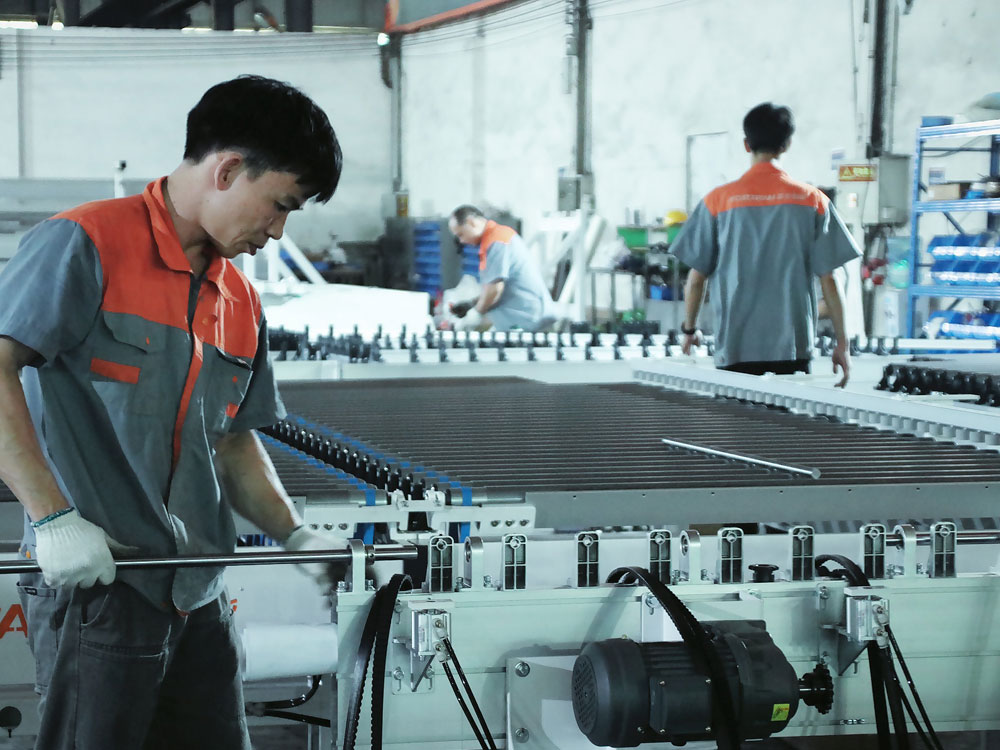
Introducing the Next-Gen Edge Banding Scrap Rack: A Closer Look
At first glance, the rack strikes with its rugged yet refined build. But its true brilliance lies beneath the surface. Constructed from recycled steel and finished with low-VOC coatings, the rack exemplifies eco-friendly edge banding scrap racks from the ground up. The design features 47 modular slots, each engineered to accommodate varying sizes of edge banding remnants and standard sheet offcuts (4×8 or 4×9 feet). An innovative tilt-adaptive structure ensures secure, accessible storage, preventing the jumbling and damage common in conventional bins.
However, the rack’s standout feature is its brain: an integrated IoT-powered smart waste management system. Embedded sensors track inventory levels in real time, categorizing scrap by dimension and type. This data syncs with production terminals, enabling automated scheduling for scrap reuse—whether as raw material for smaller components or processed into secondary products. It’s a vivid example of IoT woodworking storage in action, where every piece of waste is accounted for and optimally deployed.
Quantifying the Impact: 35% Higher Utilization, Tangible Savings
Field trials across North American and European woodworking plants have demonstrated remarkable outcomes. By implementing FORTRAN’s scrap racks, facilities boosted material utilization rates by an average of 35%. For a mid-sized factory, this translates to over $180,000 in annual raw material savings. The numbers speak loudly in an industry where margins are tight and sustainability is no longer optional.
Performance Metrics Table
| Parameter | Industry Average | FORTRAN Rack System | Improvement |
| Material Utilization Rate | 60–65% | 85–90% | 35% |
| Scrap Sorting Time | 15–20 mins/batch | 3–5 mins/batch | –75% |
| Waste Reduction Volume | 25–30% of input | 10–12% of input | –60% |
| ROI Period | 24–36 months | 10–14 months | 50% shorter |
| Compliance Readiness | Partial | Full (EU/US standards) | Enhanced |
| Customization Flexibility | Low | High | Tailored |
Why “Smart” and “Green” Are Inseparable Here
FORTRAN’s racks dismantle the myth that eco-conscious choices come at the expense of efficiency. By leveraging IoT woodworking storage capabilities, the system eliminates guesswork in scrap management. Shop floor managers receive alerts when certain scrap categories reach capacity, and the software suggests optimal reuse pathways—integrating with cutting schedules to minimize virgin material consumption. Meanwhile, the use of recycled steel and non-toxic finishes reduces the product’s carbon footprint, aligning with both corporate sustainability targets and regulatory mandates. This dual advantage makes it a quintessential example of sustainable woodworking equipment that pays for itself.
Global Adoption and Market Reception
Since its release, FORTRAN’s heavy-duty edge banding scrap racks have been adopted by leading woodworking machinery manufacturers in North America and Europe. These clients, often supplying large-scale furniture exporters, value the racks not only for their durability but also for their role in ensuring compliance with international environmental standards. The product’s success underscores the growing demand for Made-in-China industrial sector innovations that rival—and often surpass—global benchmarks in quality and intelligence.
FAQs
Q1: How does the smart management system integrate with existing production software?
A: The system uses open API architecture, allowing seamless connectivity with most mainstream MES, ERP, and planning platforms. FORTRAN also provides customization support to ensure smooth interoperability.
Q2: Can the racks handle wet or treated wood offcuts?
A: Yes. The racks are coated with anti-corrosion, low-VOC finishes that resist moisture and chemical exposure, making them suitable for a range of wood types and conditions.
Q3: What is the lead time for customized rack configurations?
A: Typical lead times range from 4–6 weeks, depending on design complexity and order volume. FORTRAN’s modular approach allows for rapid adaptation to specific site layouts.
Q4: How does the 35% material utilization improvement translate into carbon footprint reduction?
A: By reusing scrap more effectively, facilities reduce demand for virgin timber and the associated logging, transportation, and processing emissions. Preliminary estimates suggest a 20–25% reduction in carbon emissions per production unit.
Q5: Are these racks suitable for small workshops or only large factories?
A: While designed for industrial-scale operations, the modular nature allows scalable configurations. Smaller workshops can start with a 24-slot unit and expand as needed.
Q6: Does FORTRAN offer after-sales maintenance and software updates?
A: Absolutely. Each purchase includes a 3-year warranty, along with regular software upgrades to enhance tracking algorithms and reporting features.
A Call to Action: Transform Waste into Wealth
The shift from linear to circular production is no longer a distant ideal—it’s an urgent business necessity. FORTRAN’s eco-friendly edge banding scrap racks offer a proven pathway to higher profitability and lower environmental impact. Whether you’re an exporter navigating carbon tariffs or a manufacturer aiming to slash material costs, this system delivers measurable returns. Join industry frontrunners who have already turned their scrap management into a strategic advantage. Contact FORTRAN today for a customized assessment and see how sustainable woodworking equipment can redefine your operational efficiency.
Conclusion
FORTRAN’s edge banding scrap rack system is more than an accessory; it’s a statement of where modern woodworking is headed. By fusing robust, heavy-duty edge banding scrap racks with intelligent IoT capabilities, the solution elevates scrap storage from an afterthought to a core component of resource strategy. It exemplifies how the Made-in-China industrial sector is driving global innovation—delivering products that are smarter, greener, and ready for the challenges of tomorrow. In the race toward sustainable manufacturing, FORTRAN isn’t just keeping pace; it’s setting the standard.
