

The Dawn of Intelligent Waste Management
In the humming heart of a modern furniture plant, where automated edge banding machines spit out pristine trim at lightning speed, a silent crisis often unfolds just a few feet away. A growing mountain of offcuts and scrap—valuable yet chaotic—piles up on makeshift carts or in overflowing bins. Workers pause production to manually sort through the mess, creating bottlenecks, safety hazards, and a glaring inefficiency in an otherwise streamlined line. This scene, repeated in factories worldwide, represents the final frontier for automation in woodworking: smart, heavy-duty storage for production waste.
Addressing this critical gap, FORTRAN, a leader in integrated mechanical and software automation solutions, unveils a game-changer: its next-generation automated edge banding scrap racks. This isn't just a storage unit; it's an intelligent, connected hub designed to seamlessly integrate into the ecosystem of a large-scale production line. By merging brute-force durability with sophisticated IoT coordination, these heavy-duty storage solutions are transforming scrap handling from a disruptive chore into a synchronized, data-driven component of the workflow.
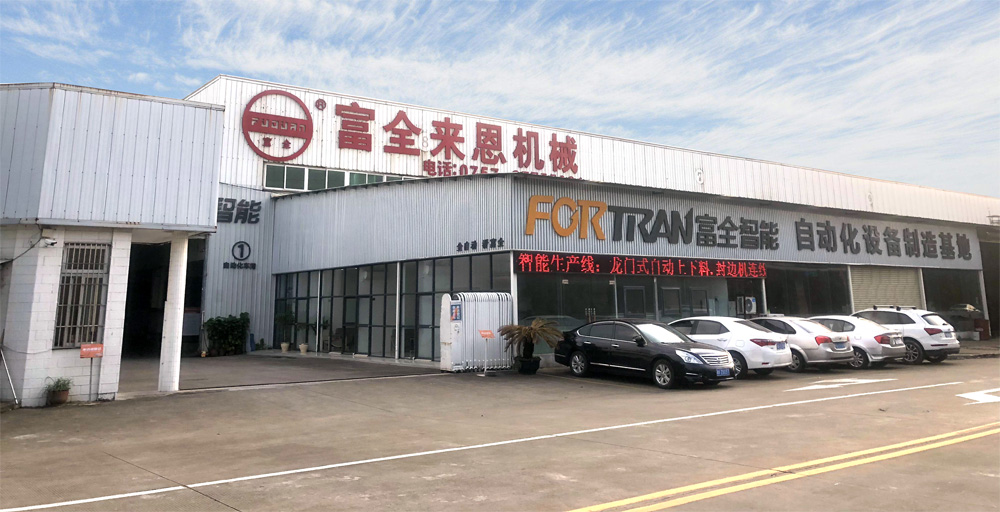
FORTRAN: Engineering the Backbone of Modern Automation
Born from a unique synergy of precision mechanical design and agile software development, FORTRAN has carved its niche as an indispensable partner for industries seeking holistic automation. Their portfolio—encompassing automatic loaders, intricate conveyor systems, and precision paper cutters—is built on a philosophy of solving tangible production puzzles. They don't just sell equipment; they engineer customized ecosystems that amplify efficiency and slash operational costs. It’s this deep-rooted understanding of end-to-end workflow challenges that fueled the development of their latest innovation. The new scrap rack system is a testament to their mission: to automate not just the primary process, but every ancillary step that impacts the bottom line.
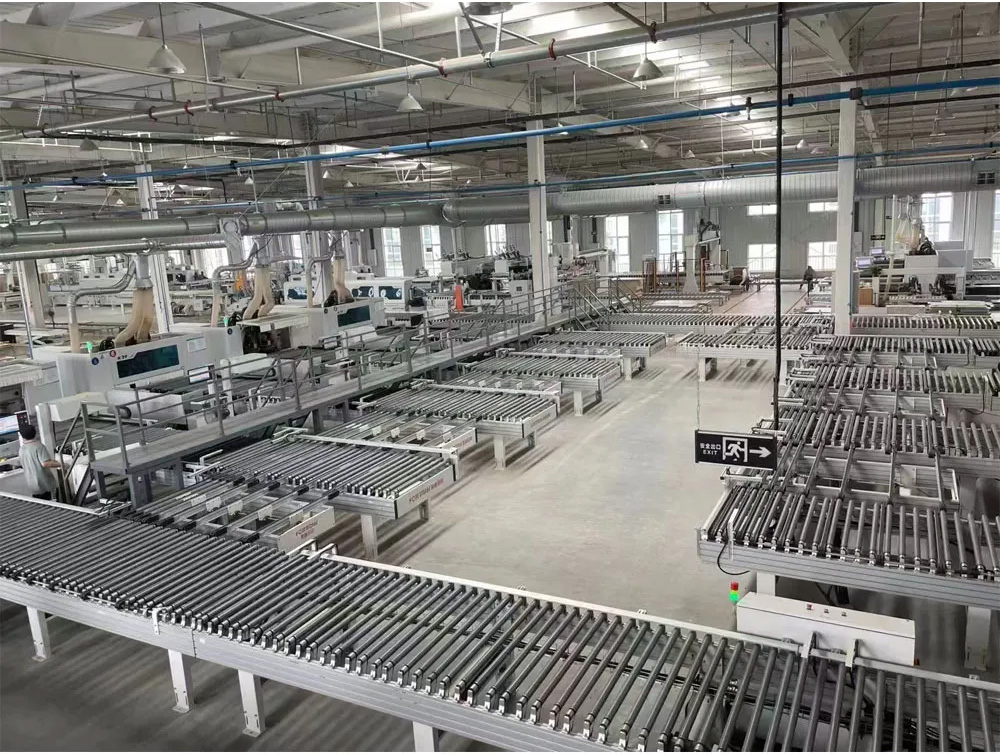
A Closer Look: The Anatomy of an Intelligent Scrap Hub
At first glance, FORTRAN’s automated edge banding scrap racks impress with their industrial heft. Constructed from laser-cut Q235 cold-rolled steel, each component is engineered for endurance. The proprietary fan-shaped buffer edge design isn't merely an aesthetic detail; it distributes impact force, increasing compressive strength by 40% and achieving an H-grade wear resistance rating. Built to withstand the grueling demands of large-scale operations—over 1,000 access cycles per day—these racks boast a lifespan triple that of conventional, bolt-together shelving.
But the true genius lies beneath the rugged exterior. An internally developed IoT module serves as the rack's "central nervous system." This transforms a passive storage unit into active IoT woodworking equipment. The rack communicates directly with upstream edge banding machines and factory-floor AGVs (Automated Guided Vehicles). As a machine finishes a run, it transmits data on the generated scrap dimensions directly to the rack. The system then automatically assigns and prepares an optimal storage slot, guiding an AGV for hands-off deposit. This seamless interplay slashes manual handling and cuts access time by an average of 22%.
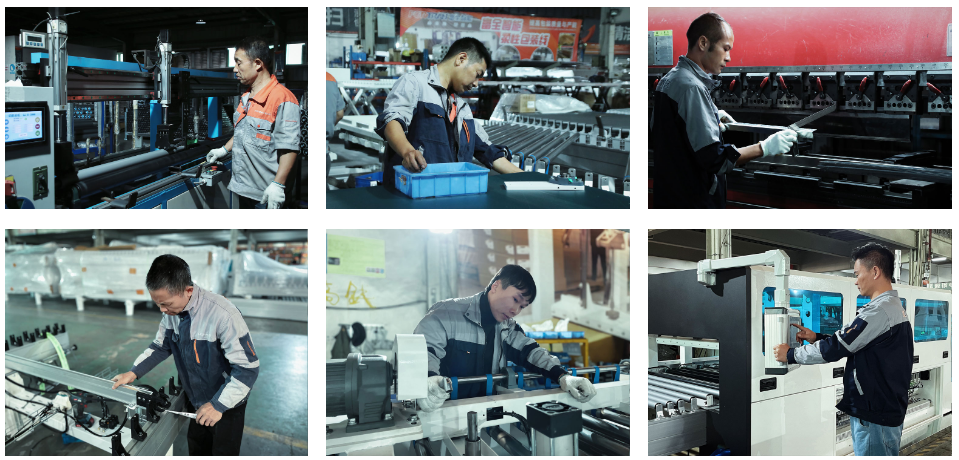
Further enhancing efficiency is a mobile base and a color-coded, alphanumeric zoning system. The racks can be repositioned to adapt to evolving floor plans, while the coding allows any operator to locate a specific piece of scrap material in under three seconds—eliminating the frustrating "search and retrieve" delays of traditional storage.
Quantifying the Transformation: Data-Driven Gains
The integration of FORTRAN's system creates a closed-loop efficiency model for edge banding operations. The following table contrasts traditional scrap management with the new IoT-integrated paradigm:
Workflow Efficiency Analysis
| Performance Indicator | Traditional Scrap Management | FORTRAN IoT-Integrated System | Gain / Improvement |
| Average Scrap Access Time | 90-120 seconds | 25-35 seconds | ~70% Reduction |
| Manual Labor Intervention | High (Constant sorting/retrieval) | Minimal (Primarily oversight) | Up to 80% Less Labor |
| Floor Space Utilization | Poor (Static, disorganized piles) | Optimized (Mobile, vertical density) | ~30% Space Saved |
| Material Retrieval Accuracy | Low (Prone to error and loss) | Near 100% (Digital tracking) | Eliminates Search Waste |
| Integration with Primary Line | None (Disconnected process) | Full (IoT sync with machines/AGVs) | Creates Workflow Continuity |
| Scalability for Custom Runs | Difficult and slow | Simple (Software-configured zones) | Enables Agile Production |
| Estimated Uptime Increase | N/A | Adds 1-2% to line uptime | Direct Output Boost |
Why IoT is the Game-Changer for Heavy-Duty Storage
The term "IoT woodworking equipment" often evokes images of smart saws or connected sanders. FORTRAN’s innovation proves that the greatest intelligence can be applied to the most mundane tasks. By embedding sensors and connectivity into heavy-duty storage solutions, they solve multiple problems simultaneously:
Predictive Logistics: The system knows inventory levels in real-time, enabling proactive scheduling for scrap reuse or recycling, turning waste into a managed asset stream.
Error Elimination: Automated data entry removes human error from material tracking, ensuring accurate input for job costing and sustainability reporting.
| Seamless Flow: It creates a continuous material handoff from machine to storage to reuse point, preventing the workflow "air pockets" that kill efficiency on fast-moving lines.
For managers of large-scale production, this means the chaotic corner of the shop floor occupied by edge banding scrap racks becomes a model of order and intelligence. It’s no longer a cost center but a contributor to overall equipment effectiveness (OEE).
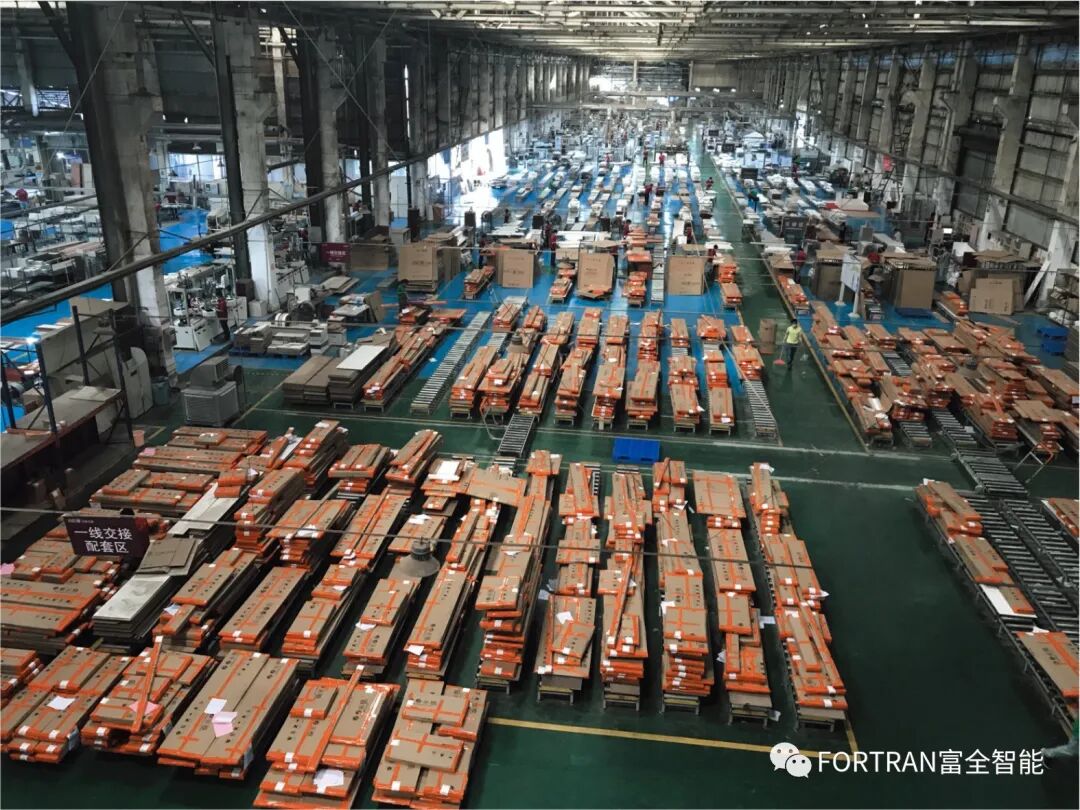
From Concept to Floor: Adoption in Mega-Factories
FORTRAN's automated edge banding scrap racks are already proving their mettle on the front lines of production. Several of China's largest furniture manufacturing bases, producing for both domestic and international markets, have integrated these systems into their fully automated edge banding cells. The feedback underscores a critical shift: in the race for productivity, smart material handling is as vital as the primary processing equipment. These adopters are not just storing scrap smarter; they are capturing data that informs better buying decisions, reduces raw material spend, and creates a cleaner, safer, and more audit-ready production environment. This trend is a direct response to the global surge in smart equipment penetration within the woodworking sector.
Frequently Asked Questions (FAQ)
Q1: How does the IoT integration actually work with our existing, non-FORTRAN brand edge banders and AGVs?
A: Our IoT module is built with open-architecture communication protocols (like MQTT or RESTful APIs) designed for industrial environments. We provide interface kits and work with your automation team to establish data handshakes with your existing machinery, ensuring seamless cross-brand compatibility.
Q2: Our scrap varies wildly in size and type. Can one rack system handle it all?
A: Absolutely. The core strength of our automated edge banding scrap racks is modular customization. We can configure slot sizes, depths, and compartment layouts to your exact scrap profile. The software can be taught to recognize and categorize dozens of different material types.
Q3: Is the mobile base stable enough for heavy, uneven loads?
A: Yes. The mobile base is engineered with a low center of gravity and industrial-grade locking casters. It is rated for dynamic and static loads far exceeding the rack's capacity to ensure absolute stability during movement and operation.
Q4: What about maintenance on the IoT components in a dusty woodshop?
A: The electronics enclosure is rated IP54 for dust and water resistance, specifically for harsh industrial settings. The system is designed for reliability with self-diagnostic alerts, and sensor components are easily accessible for cleaning or replacement without dismantling the heavy-duty storage solutions.
Q5: We have a high mix of custom jobs. Can the system adapt quickly?
A: This is where the software excels. For a new job, the line supervisor can input the expected scrap profile into the system (or it can pull from the job file). The rack’s zoning logic will instantly reconfigure its optimal storage plan for that job’s waste materials.
Q6: What is the typical implementation timeline from order to full operation?
A: For a standard configuration, delivery is within 6-8 weeks. On-site integration, calibration with your machinery, and operator training typically require an additional 3-5 days, guided by our technical team to ensure a smooth launch.
A Call to Action: Seal the Efficiency Loop in Your Production Line
Your investment in automated edge banding machines was the first major leap. Now, complete the cycle. Don’t let manual, disorganized scrap handling be the weak link that drags down your entire line's productivity and profitability. FORTRAN’s automated edge banding scrap racks offer the final piece of the puzzle—transforming waste management from a liability into a lever for greater efficiency, safety, and control.
Contact FORTRAN today for a no-obligation, on-site or virtual consultation. Our engineers will analyze your specific scrap flow and demonstrate how our intelligent scrap rack system can integrate with your environment, delivering a clear ROI through labor savings, material recovery, and accelerated workflow.
Conclusion: The Future is Integrated, Intelligent, and Efficient
FORTRAN’s launch of its IoT-integrated edge banding scrap racks marks a significant maturation in woodworking automation. It moves beyond simply making parts faster to managing the entire production ecosystem smarter. By applying robust engineering and digital intelligence to the critical task of waste handling, they have effectively created a new category of essential IoT woodworking equipment. In the competitive landscape of large-scale furniture and cabinetry manufacturing, where every second and every scrap of material counts, this innovation isn't just an upgrade—it's a strategic imperative. FORTRAN isn't just selling a rack; it's offering a decisive step toward the fully integrated, data-optimized, and waste-conscious factory of the future.
